Account security and recovery are no longer optional digital skills. Today, email accounts, social media profiles, cloud services, and online platforms represent identity, access, and personal data. When one account is compromised, the impact often spreads quickly to others.
Unfortunately, many users still misunderstand how account security and recovery actually work. As a result, they rely on misleading advice, attempt unsafe shortcuts, or trust promises that create more damage than solutions.
This guide explains account security and recovery from a legal, ethical, and practical perspective. It focuses on real-world risks, official recovery paths, and prevention strategies, while clarifying what is possible and what should never be attempted.
Quick Navigation
Account Security and Recovery: What Do These Terms Really Mean?
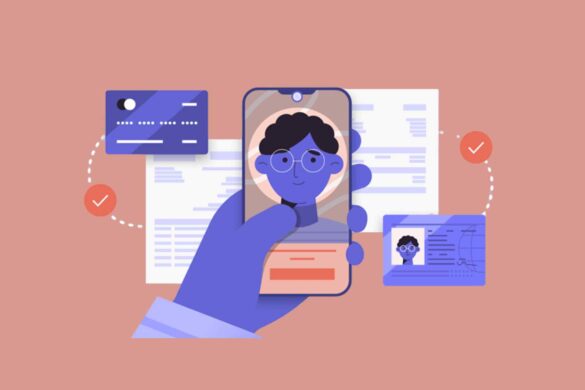
Account security and recovery refer to the systems used to protect digital accounts and restore access when protection fails. These systems depend on identity verification, authentication layers, and historical account signals.
While passwords remain important, real security extends beyond them. Likewise, recovery is not about bypassing systems but about proving ownership through approved procedures such as the account recovery process defined by each platform.
Understanding this difference helps users avoid dangerous mistakes and unrealistic expectations.
Why Account Security Matters More Than Ever
Digital accounts are deeply interconnected. Email accounts control password resets, cloud backups store sensitive data, and social media profiles represent personal identity.
When attackers compromise one account, they often exploit connected services. For example, a stolen email account can expose password reset history and connected applications, increasing overall exposure and amplifying online privacy risks.
Because of this structure, account security must be treated as a long-term habit, not a temporary fix.
How Accounts Get Compromised in Real Scenarios
Weak Password Practices
Password reuse remains one of the most common causes of compromise. When credentials leak from one service, attackers test them elsewhere.
Using unique passwords limits damage and strengthens overall account security and recovery outcomes.
Phishing and Deceptive Messages
Phishing attacks imitate trusted platforms and create urgency. Victims may enter credentials or recovery codes without verification.
Understanding phishing behavior is a key part of digital safety basics.
Malware and Infected Devices
Compromised devices can capture keystrokes or active sessions. In such cases, even strong passwords fail to protect accounts.
SIM Swapping and SMS Interception
SMS-based verification is vulnerable to number hijacking. This risk explains why stronger authentication methods are recommended.
Account Security and Recovery vs Illegal Access Attempts
What Legal Account Recovery Involves
Legal account security and recovery rely on official platform channels. These channels verify ownership through identity confirmation, usage history, and recovery information.
Although the process may feel slow, it protects both users and platforms.
What Illegal Access Looks Like
Illegal access relies on bypassing security systems or exploiting vulnerabilities. These actions violate platform policies and may lead to permanent account loss or legal consequences.
Any recovery method that avoids identity verification should be treated as unsafe.
Official Account Recovery Channels You Should Rely On
Email Account Recovery
Email providers verify ownership using recovery emails, device history, and previous passwords. Accuracy increases recovery success.
Google Account Recovery documentation
Social Media Account Recovery
Social platforms require identity confirmation and activity review. These steps prevent impersonation and misuse.
Understanding the account recovery process improves user response.
Financial and Cloud Services
Recovery for financial or cloud platforms is stricter. Identity verification may include official documents and transaction history.
Shortcuts almost always result in permanent denial.
Why Instant Account Recovery Promises Are Misleading
Claims of instant account security and recovery rely on misinformation. Platforms do not provide hidden shortcuts or external overrides.
Any offer guaranteeing certainty usually indicates a scam or an illegal method.
Responsible recovery requires patience and documentation.
Account Security Best Practices That Actually Work
Use a Password Manager
Password managers reduce reuse and generate strong credentials automatically.
Enable Strong Two-Factor Authentication
Authenticator apps and hardware keys provide stronger protection than SMS codes.
Protect Recovery Information
Recovery emails and backup codes should be secured like primary credentials.
Monitor Account Activity
Unexpected login alerts often signal early compromise. Quick action prevents escalation.
Account Security and Recovery When Devices Are Compromised
Why Device Security Comes First
Recovering accounts without securing the device is ineffective. Malware can steal new credentials immediately.
Steps Before Starting Recovery
Devices should be cleaned, updated, or reset before initiating recovery. This step prevents repeated compromise and supports hacked accounts prevention.
Common Myths About Account Security and Recovery
Myth: Accounts Can Be “Hacked Back”
There is no legal way to hack accounts back. Ownership must be verified.
Myth: Platforms Hide Easy Recovery Solutions
Recovery systems balance access and security. Hidden shortcuts would break trust.
Myth: Legal Recovery Always Takes Too Long
Many recoveries succeed quickly when accurate information is provided.
When Professional Guidance Is Appropriate
Complex cases involving identity theft or multiple compromised accounts may require structured guidance. This support should focus on documentation and prevention, not intrusion.
How to Prevent Future Account Compromise
Adopt a Security-First Mindset
Security improves when treated as a habit.
Separate Critical Accounts
Primary email and financial accounts should remain isolated from casual use.
Review Connected Applications
Removing unused permissions reduces exposure and strengthens long-term account security and recovery.
Account Security and Recovery – User-Focused FAQs
Can a hacked account be recovered legally?
Yes, hacked accounts can often be recovered if ownership is proven through official steps outlined in the account recovery process.
Why do platforms reject recovery requests?
Most rejections happen due to missing or inconsistent data, which is explained in detail in account recovery mistakes.
Is paying for account recovery safe?
Paying for technical access is unsafe, while guidance-based help is discussed in safe account recovery options.
How long does legal recovery take?
Recovery time varies by platform and complexity, as explained in how long account recovery takes.
Can recovery fail permanently?
Yes, permanent failure may occur when ownership cannot be verified, which is common in cases covered by account ownership verification.
Does changing passwords stop ongoing attacks?
Password changes work only after securing the device, a step detailed in secure compromised devices.
Are email accounts more critical than other accounts?
Email accounts control access to many services, a risk explained in email account security risks.
Can outdated recovery data cause problems?
Old recovery emails or phone numbers weaken security, as described in update account recovery information.
Is two-factor authentication always effective?
Two-factor authentication is effective when configured correctly, which is explained in two factor authentication setup.
What should be done after recovery succeeds?
After recovery, users should review access and settings as outlined in post account recovery checklist.
Final Thoughts on Account Security and Recovery
Account security and recovery depend on verification, patience, and responsible behavior. They are not shortcuts or technical tricks.
By understanding official recovery systems and adopting preventive habits, users can protect their digital identity and reduce future risk.