Algorithms have become the invisible backbone of modern digital systems. From search engines and recommendation platforms to financial services and automated decision-making, algorithms quietly shape how information is processed and actions are taken. This growing reliance raises a critical question: can algorithms be hacked, manipulated, or intentionally distorted in ways that cause real-world harm?
In practice, algorithms do not exist in isolation. They operate within software environments, rely on data inputs, and are often deployed at scale across networks and platforms. This reality creates opportunities for abuse, whether through technical vulnerabilities, data manipulation, or flawed design assumptions. The risks are no longer theoretical; they affect security, privacy, trust, and even social stability.

Understanding how algorithm-related attacks occur is essential for anyone involved in cybersecurity, data protection, or system design. This topic has gained renewed importance as artificial intelligence and automation expand into sensitive domains. The sections below explore how algorithm manipulation happens, the most common attack paths, and why algorithm security is now a foundational concern for modern digital infrastructure.
Quick Navigation
What algorithms actually control in digital systems
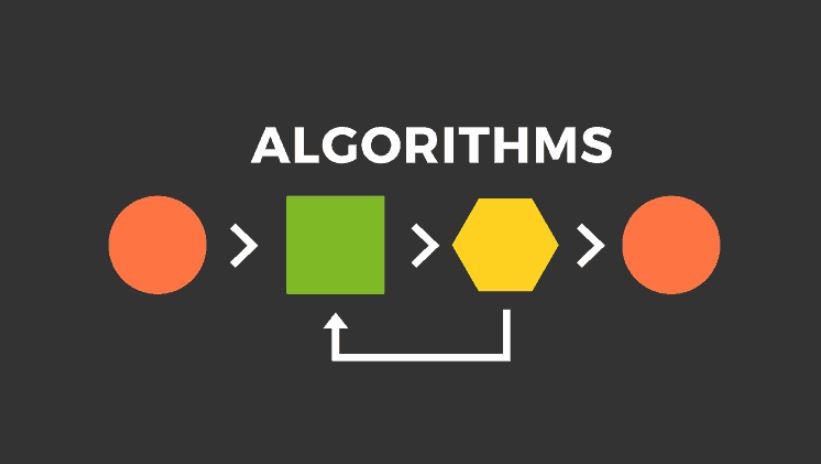
Algorithms are structured sets of rules designed to process inputs and produce outputs. In real-world systems, they often control ranking decisions, authentication processes, predictive models, and automated responses. These functions make algorithms powerful but also expose them to exploitation if safeguards are weak.
Many algorithms depend on external data sources, user behavior, or machine-generated inputs. When those inputs are influenced or corrupted, the algorithm’s output can become unreliable. This is especially problematic in environments where decisions are automated and human oversight is limited.
Because algorithms often operate at scale, even small manipulations can have widespread consequences. This is why algorithm-related threats are increasingly discussed alongside broader topics like system compromise and digital trust, including issues addressed in Account Security and Recovery – How to Recover Hacked Accounts Legally.
How algorithm manipulation happens in practice
Algorithm attacks rarely involve “breaking” the logic directly. Instead, attackers focus on influencing the conditions under which algorithms operate. This can include feeding distorted inputs, exploiting implementation flaws, or abusing optimization mechanisms.
In machine learning systems, attackers may influence training data or exploit model assumptions. In traditional software algorithms, vulnerabilities often arise from insecure implementations or weak validation rules. In both cases, the algorithm behaves as designed, but under manipulated conditions.
These attack methods align closely with broader cybersecurity threats discussed in How Attackers Use Chatbots for Social Engineering, where systems are influenced indirectly rather than forcibly breached.
Common types of algorithm-related attacks
Data poisoning and input manipulation
By injecting misleading or malicious data into an algorithm’s input stream, attackers can influence outputs without touching the code. This is common in machine learning environments where models adapt over time.
Exploiting implementation vulnerabilities
Algorithms implemented in software may contain logic errors, insecure dependencies, or weak validation checks. Attackers exploit these weaknesses to bypass safeguards or extract sensitive information.
Abuse of optimization mechanisms
Some algorithms are designed to optimize outcomes, such as ranking or recommendation systems. Attackers may exploit these mechanisms by repeatedly triggering specific behaviors, leading to distorted results.
These patterns often overlap with techniques used in Social Engineering: The Complete Guide to Human-Based Cyber Attacks (2026), where manipulation replaces direct intrusion.
Real-world implications of algorithm hacking
Algorithm manipulation can affect far more than individual systems. Search result distortion, financial model abuse, and biased automated decisions can all emerge from compromised algorithms. In critical sectors, these failures may lead to financial loss, reputational damage, or legal exposure.
In security-sensitive environments, algorithm weaknesses can amplify other threats. For example, compromised detection algorithms may fail to identify attacks, allowing broader system compromise. This risk is closely connected to scenarios explored in how-to-avoid-phishing-scams.
Because algorithms often operate invisibly, damage may continue unnoticed until outcomes become severe.
Why algorithm security is now a core cybersecurity issue
As systems grow more automated, algorithms increasingly replace manual decision-making. This shift reduces human intervention but also concentrates risk. A single flawed or manipulated algorithm can affect millions of users simultaneously.
Algorithm security is no longer limited to academic research. It intersects directly with operational security, governance, and compliance. Organizations that overlook algorithm integrity risk undermining the very systems they rely on for efficiency and scale.
This broader perspective aligns with modern cybersecurity thinking found in Protection Against Social Engineering: A Comprehensive Guide for Individuals and Organizations, where prevention focuses on systemic resilience rather than isolated fixes.
Key protection strategies for algorithm-driven systems
Protecting algorithms starts with understanding their dependencies. Secure design principles, strict input validation, and continuous monitoring reduce exposure to manipulation. Regular audits help identify unintended behaviors before they are exploited.
Transparency and explainability also play a role. When algorithm behavior can be reviewed and tested, anomalies are easier to detect. In high-risk environments, layered defenses and human oversight remain essential.
For deeper technical guidance on algorithm robustness, external research from trusted institutions such as algorithm security best practices provides valuable context without commercial bias.
Future challenges in algorithm security
Emerging technologies continue to expand the attack surface. Adaptive systems, autonomous decision-making, and increasingly complex models introduce new uncertainties. Defending algorithms will require not only technical controls but also ethical and regulatory frameworks.
As algorithms become more influential, attackers will continue seeking indirect ways to exploit them. Anticipating these threats is a long-term challenge that extends beyond individual systems.
FAQs
Can algorithms be hacked directly?
Algorithms are rarely attacked in isolation. Most attacks focus on manipulating inputs, environments, or implementations rather than altering the algorithm’s logic itself.
Are AI algorithms more vulnerable than traditional ones?
AI systems introduce additional risks because they rely on data patterns. Data poisoning and model manipulation are specific threats that do not apply to static algorithms.
Is algorithm hacking illegal?
Yes. Manipulating algorithms to cause harm, fraud, or unauthorized access typically violates cybersecurity and computer misuse laws.
Can algorithm attacks be detected easily?
Detection is challenging because compromised outputs may appear legitimate. Continuous monitoring and anomaly detection improve visibility.
Are small systems at risk, or only large platforms?
Any system using algorithms can be targeted. Smaller systems may face higher risk if security resources are limited.
Can algorithm security ever be fully guaranteed?
No system is perfectly secure. Risk reduction depends on design quality, monitoring, and response readiness.