How attackers profile victims using public information is a critical part of modern social engineering. Before sending a message or making a call, attackers often spend time collecting details that make their approach feel personal, relevant, and trustworthy.
Publicly available information allows attackers to craft convincing pretexts without hacking any systems. This article explains how attackers profile victims using public information, what data they look for, where they find it, and why this reconnaissance stage dramatically increases attack success.
Quick Navigation
How Attackers Profile Victims Using Public Information
Public Information as the Foundation of Social Engineering
Attackers rely on public information to:
-
Personalize messages
-
Reference real people or projects
-
Mimic internal language
-
Build instant credibility
This profiling stage directly supports the first phase of the Social Engineering Attack Lifecycle: Step-by-Step Breakdown
Types of Public Information Used in Social Engineering
Professional Information Attackers Collect
Attackers often gather:
-
Job titles and roles
-
Company structure
-
Email formats
-
Reporting lines
This data helps attackers choose the right tone and authority level, reinforcing the manipulation explained in The Psychology Behind Social Engineering Attacks
Social Media Information Used for Victim Profiling
Social media reveals:
-
Colleagues and relationships
-
Locations and travel
-
Ongoing projects
-
Personal interests
Even small details can be used to build trust quickly, especially in attacks explained in Real-World Social Engineering Examples Explained Simply
Personal Details Attackers Exploit
Attackers may use:
-
Birthdays
-
Family references
-
Hobbies or interests
These details make messages feel familiar rather than suspicious.
Why Public Information Makes Social Engineering So Effective
Social Engineering Profiling Feels Legitimate
When attackers reference real details:
-
Victims lower their guard
-
Verification feels unnecessary
-
Requests appear routine
This explains why social engineering often outperforms malware, as discussed in Why Social Engineering Attacks Are More Effective Than Malware
How Attackers Combine Public Data Into Convincing Scenarios
Attackers rarely use one data point.
They combine:
-
Professional role + authority
-
Personal interest + urgency
-
Familiar names + routine requests
This layered approach reduces suspicion and increases compliance.
Why Victims Don’t Realize They’ve Been Profiled
Victims assume:
-
Public information is harmless
-
Attackers need hacking skills
-
Personal posts lack security value
This misconception aligns with why humans are often the weakest link in security, as explained in Why Humans Are the Weakest Link in Cybersecurity
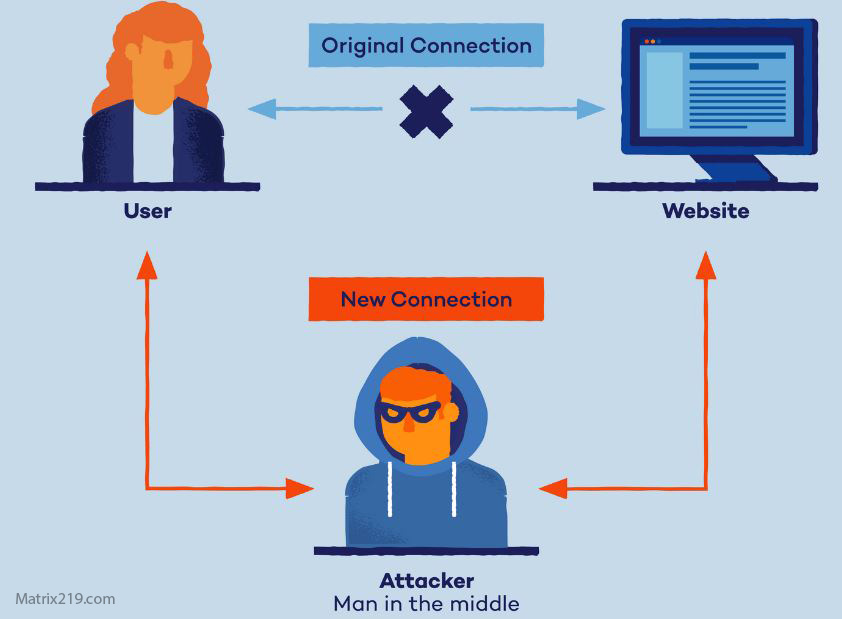
how attackers profile victims using public information
Common Sources of Public Information Attackers Use
Public Platforms Used for Victim Profiling
Attackers commonly use:
-
Company websites
-
Professional networking platforms
-
Social media accounts
-
Public forums and communities
None of this requires illegal access—only observation.
How Profiling Changes the Tone of Attacks
Without profiling, attacks feel generic.
With profiling, attacks feel:
-
Targeted
-
Familiar
-
Context-aware
This is why personalized social engineering is far more dangerous than mass scams.
How Individuals Can Reduce Profiling Risk
Reducing exposure includes:
-
Limiting public job details
-
Avoiding oversharing
-
Reviewing privacy settings
-
Being cautious with public posts
These steps reduce attacker preparation without affecting normal online use.
External Guidance on Public Information Risks
Cybersecurity awareness programs consistently warn that publicly shared information is a primary enabler of targeted social engineering, as reflected in NIST Online Identity and Privacy Guidance
Frequently Asked Questions (FAQ)
Is public information really dangerous?
Yes. When combined, small details create highly convincing attack scenarios.
Do attackers need technical skills to profile victims?
No. Profiling relies on observation, not hacking.
Does removing social media prevent profiling?
No, but reducing public details lowers risk significantly.
Can companies prevent employee profiling?
They can reduce risk through policy, awareness, and limiting exposed information.
Is profiling used in all social engineering attacks?
Most targeted attacks involve some level of victim profiling.
Conclusion
How attackers profile victims using public information reveals that many social engineering attacks succeed long before contact is made. By studying publicly available data, attackers craft scenarios that feel legitimate and personal.
Understanding this profiling process helps individuals and organizations reduce exposure and recognize why seemingly harmless information can become a powerful attack tool.