Your blog category
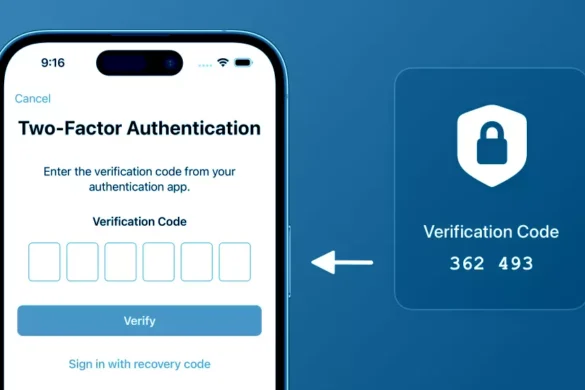
Two-Factor Authentication (2FA) is an extra layer of security that requires users to provide two forms of verification before accessing an account. This typically includes …
Your blog category
Two-Factor Authentication (2FA) is an extra layer of security that requires users to provide two forms of verification before accessing an account. This typically includes …
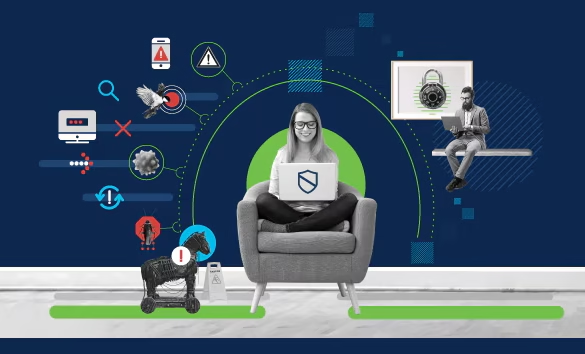
Syskey, short for SAM Lock Utility, is a Windows tool originally designed to protect the Security Account Manager (SAM) database, which stores user account credentials. …
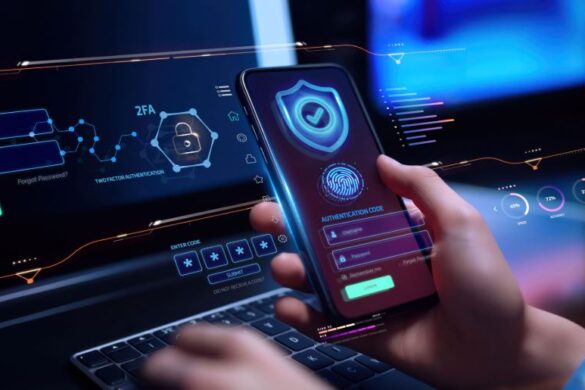
Devices can be vulnerable to malware, spyware, viruses, and other security threats. Regularly scanning your device helps detect and remove malicious software, protect personal data, …
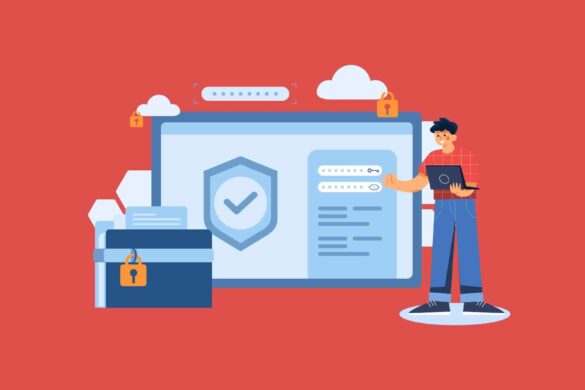
Encrypting your internet traffic protects sensitive data such as passwords, financial information, and personal messages from hackers and surveillance. It ensures privacy, prevents data theft, …
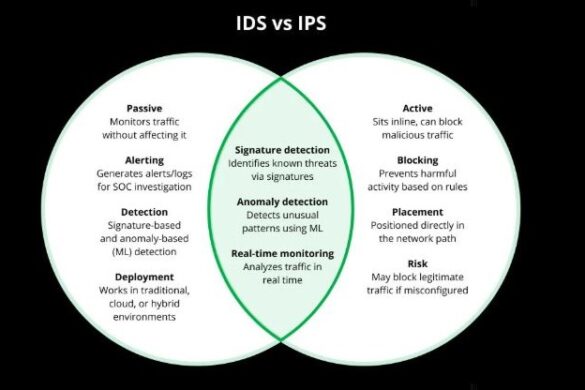
Intrusion Detection Systems (IDS) and Intrusion Prevention Systems (IPS) are essential tools in cybersecurity. Both monitor network traffic for malicious activity, but they have distinct …
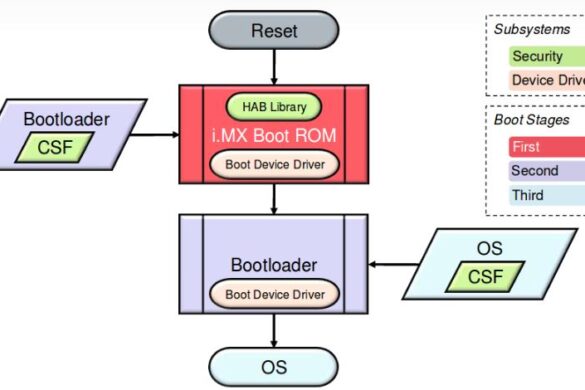
Syskey, short for System Key Utility, is a Windows tool introduced in older versions of Windows to enhance the security of the local user accounts …
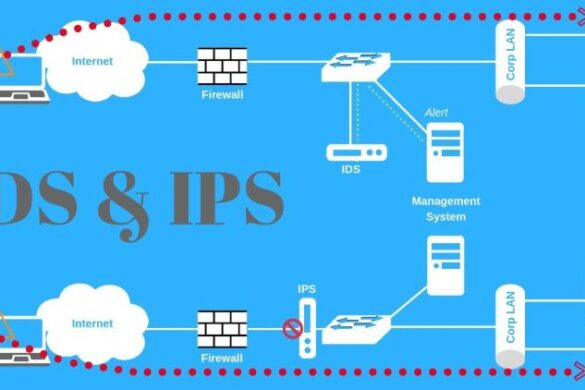
Intrusion Detection Systems (IDS) and Intrusion Prevention Systems (IPS) are critical components of network security. While both monitor network traffic for malicious activity, they serve …

IMEI (International Mobile Equipment Identity) is a unique 15-digit identifier assigned to every mobile device. It helps networks recognize valid devices and can be used …
MMI stands for Man-Machine Interface code, a set of special codes entered on mobile phones to interact directly with the network or SIM card. MMI …
Recognizing a hacked phone is the first step in securing it. Common indicators include: Unusual battery drain or overheating Slow performance or random app crashes …