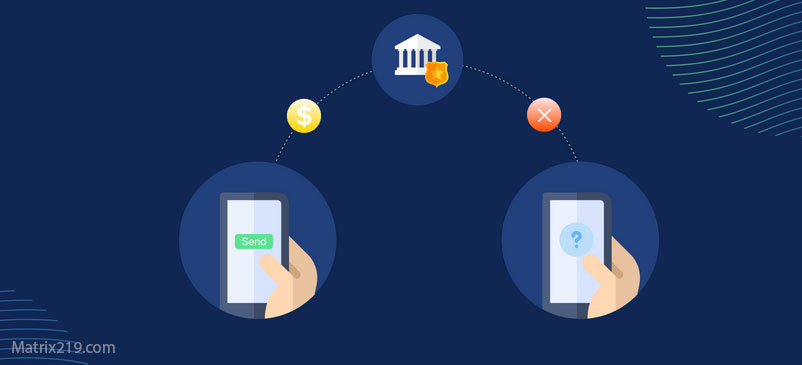
Chatbots social engineering attacks are becoming one of the most effective manipulation techniques in modern cybercrime. By using automated conversational tools, attackers can simulate real human interaction, build trust gradually, and influence victims without triggering traditional security alarms.
Unlike classic phishing messages, chatbot-driven social engineering relies on dialogue, responsiveness, and emotional engagement. This makes the attack feel natural rather than suspicious. Understanding how chatbots are used for social engineering is critical for recognizing modern scams and reducing the risks they pose to individuals and organizations.
Quick Navigation
What Is Chatbots Social Engineering?
Chatbots Social Engineering Explained Clearly
Chatbots social engineering refers to the use of automated conversational agents to manipulate users into sharing information, granting access, or taking unsafe actions.
These attacks:
-
Mimic real conversations
-
Respond dynamically to user input
-
Gradually guide victims toward harmful decisions
Instead of a single deceptive message, the manipulation unfolds over time.
How Social Engineering Chatbots Differ From Traditional Scams
Traditional scams rely on static scripts. Chatbot-based manipulation is interactive.
Key differences include:
-
Continuous engagement instead of one message
-
Adaptive responses based on user behavior
-
Reduced reliance on links or attachments
This shift makes detection harder and success rates higher.
Common Chatbots Social Engineering Attack Scenarios
Where Automated Social Engineering Chatbots Appear
Chatbot-driven attacks often appear in environments where conversation feels expected:
-
Fake customer support chats
-
Online investment platforms
-
Recruitment and job portals
-
Dating and relationship platforms
Because users already expect automation, suspicion is lower.
How Attackers Build Social Engineering Chatbots
Social Engineering Chatbot Design Process
Most attackers follow a structured approach:
-
Create a believable chatbot persona
-
Script initial neutral interactions
-
Introduce helpful or emotional engagement
-
Gradually steer the conversation toward risk
The targeting stage often relies on techniques described in How Attackers Profile Victims Using Public Information
The Role of AI in Chatbots Social Engineering
Modern language models allow chatbots to:
-
Maintain conversational context
-
Match the user’s tone and language
-
Avoid repetitive or suspicious phrasing
This realism removes many cues users once relied on to identify scams.
Why Chatbots Social Engineering Is So Effective
Psychological Factors Behind Chatbot Manipulation
Chatbots exploit several human tendencies:
-
Trust in responsiveness
-
Emotional reinforcement through dialogue
-
Reduced skepticism over time
These dynamics align with principles explained in The Psychology Behind Social Engineering Attacks Conversation builds familiarity, and familiarity builds trust.
Scaling Social Engineering Through Chatbots
Automation allows attackers to scale manipulation dramatically.
With chatbots, attackers can:
-
Run thousands of conversations simultaneously
-
Operate continuously without fatigue
-
Test and refine messaging in real time
This evolution reflects patterns discussed in How AI Is Transforming Social Engineering Attacks
Why Detection Tools Struggle With Chatbot Attacks
Limits of Phishing Detection Against Chatbots
Chatbot-driven social engineering avoids common detection signals:
-
No malicious links early on
-
No malware delivery
-
Unique conversation paths per victim
These characteristics expose limitations described in Phishing Detection Tools Compared
Warning Signs of Chatbots Social Engineering
Red Flags Inside Automated Conversations
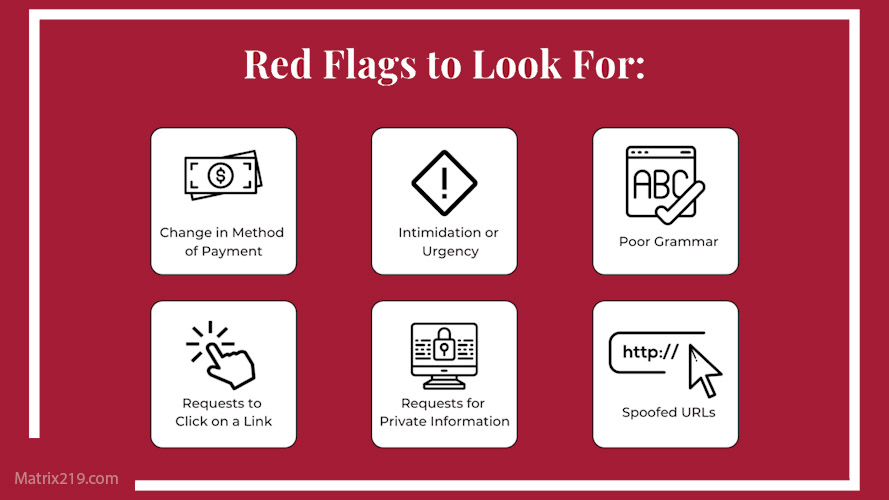
Despite realism, some indicators remain:
-
Pressure to move off official platforms
-
Gradual push toward secrecy
-
Requests to bypass verification
-
Avoidance of traceable communication
These overlap with patterns discussed in Common Social Engineering Red Flags Most Users Miss
Phishing Red Flags
How Organizations Can Defend Against Chatbot Manipulation
Effective defense focuses on process, not conversation quality.
Recommended measures:
-
Clearly define official communication channels
-
Require verification for sensitive actions
-
Educate users that chat ≠ trust
-
Monitor unusual interaction patterns
Chatbots should never be treated as proof of legitimacy.
External Perspective on Chatbots and Social Engineering
Cybersecurity research increasingly identifies conversational AI as a growing manipulation vector, as highlighted in ENISA AI Threat Landscape
Frequently Asked Questions (FAQ)
What is chatbots social engineering?
It is the use of automated conversations to manipulate users into unsafe actions.
Are chatbot scams fully automated?
Often partially automated, with humans guiding strategy and escalation.
Can users tell they are talking to a malicious chatbot?
Not reliably, especially when responses are context-aware.
Do chatbot scams always involve money?
No. Many aim to collect data, credentials, or long-term trust first.
What is the best defense against chatbot-based scams?
Verification processes that do not rely on conversation quality.
Conclusion
Chatbots social engineering represents a shift from static deception to interactive manipulation. By sustaining realistic conversations, attackers exploit trust, patience, and emotional engagement over time.
As chat interfaces become standard across digital platforms, awareness must evolve. In an AI-driven threat landscape, conversation itself can be a weapon—and should never replace verification.