Quick Navigation
What Is a Missed Call Scam and How Can You Avoid It?
A missed call from an unknown international number can feel harmless. Many people assume it is a wrong number or a brief network error. However, this seemingly minor event is often the first step in a well-documented phone fraud technique known as the missed call scam.
This scam relies on curiosity, urgency, and lack of awareness. It does not require advanced hacking or technical access. Instead, it exploits human behavior and international billing systems. Understanding how it works is the most effective form of protection.
missed call scam: what it really is
The missed call scam is a form of phone fraud where scammers place very short calls from premium-rate or international numbers. The call ends before it can be answered.
Why scammers use missed calls
The call is designed to trigger curiosity. The recipient sees a missed call notification and feels compelled to call back.
Once the return call is made, charges begin immediately.
Why international numbers are common
International numbers increase billing complexity. Many users are unfamiliar with foreign country codes and cannot easily estimate call costs.
Some numbers are linked to premium-rate services that generate revenue per minute.
Why the scam still works
Despite being old, this scam remains effective because it relies on instinctive reactions. Most people return missed calls without verifying the number.
The scam does not depend on deception during the call. The damage occurs as soon as the call connects.
How the missed call scam operates step by step
Understanding the sequence helps identify the scam early.
Step one: the initial missed call
The scammer places a call that rings once or twice, then disconnects. This ensures the call appears as “missed” rather than answered.
The timing is intentional and automated.
Step two: the callback trigger
The victim returns the call, often immediately. At this point, the call connects to a premium-rate line or an automated system designed to keep the caller engaged.
Silence, recorded messages, or long wait times are commonly used.
Step three: billing and profit
Charges accumulate per second or per minute. The longer the call lasts, the more revenue is generated.
The victim often realizes the issue only after receiving a phone bill.
missed call scam
Common variations of the missed call scam
The scam adapts to different regions and behaviors.
One-ring international calls
These calls ring only once to maximize callbacks while minimizing cost for the scammer.
This variation is widespread and highly automated.
Missed call followed by SMS
In some cases, a missed call is followed by a text message asking the recipient to call back urgently.
The message may reference a fake delivery, account issue, or personal emergency.
Repeated missed calls
Multiple missed calls from the same number increase perceived urgency. This tactic pressures the recipient into acting quickly.
This behavior often overlaps with phone-based social engineering techniques.
Financial and security risks involved
The missed call scam is primarily financial, but indirect security risks also exist.
Unexpected financial charges
The most immediate risk is unexpected charges on the phone bill. These charges can be significant, especially if the call lasts several minutes.
Disputes are often difficult because the call was technically authorized.
Data exposure risks
While the scam does not usually involve data theft, calling back can confirm that a number is active.
This confirmation may lead to more scam attempts.
Psychological manipulation factor
The scam conditions users to respond to urgency. Over time, this increases susceptibility to other fraud methods.
This risk relates closely to consumer fraud awareness efforts.
Why mobile carriers cannot fully prevent it
Many assume carriers can block these scams entirely. The reality is more complex.
International routing limitations
Calls originate from multiple countries and frequently change numbers. Blocking all suspicious ranges risks blocking legitimate calls.
This creates a balance between security and service availability.
Premium number regulations vary
Premium-rate number regulation differs by country. Some regions have limited enforcement mechanisms.
This regulatory gap enables abuse.
User-initiated action requirement
The scam relies on the user calling back. Carriers cannot prevent this action without restricting legitimate use.
Real-world professional observation
In multiple consumer protection reviews and telecom support cases, a consistent pattern appears. Victims often report calling back within seconds of seeing the missed call, without checking the country code.
In many of these cases, the amount charged was not extreme per minute. However, confusion and delayed awareness caused longer call durations. This observation highlights a key insight. The scam succeeds through speed, not sophistication.
Slowing down is the most effective countermeasure.
How to identify suspicious missed calls
Certain indicators strongly suggest a scam.
Unrecognized international country codes
If you do not expect calls from abroad, treat international missed calls with caution.
Unknown country codes are a primary red flag.
Very short ring duration
Calls that end almost immediately are rarely legitimate.
This behavior is characteristic of automated scam systems.
No voicemail or follow-up from a known contact
Legitimate callers usually leave a voicemail or follow up through another channel.
Silence often indicates automation.
What to do if you receive a suspicious missed call
Appropriate response limits risk.
Do not call back immediately
Pause and evaluate the number. Search the country code and number pattern before taking action.
This step alone prevents most losses.
Block and report the number
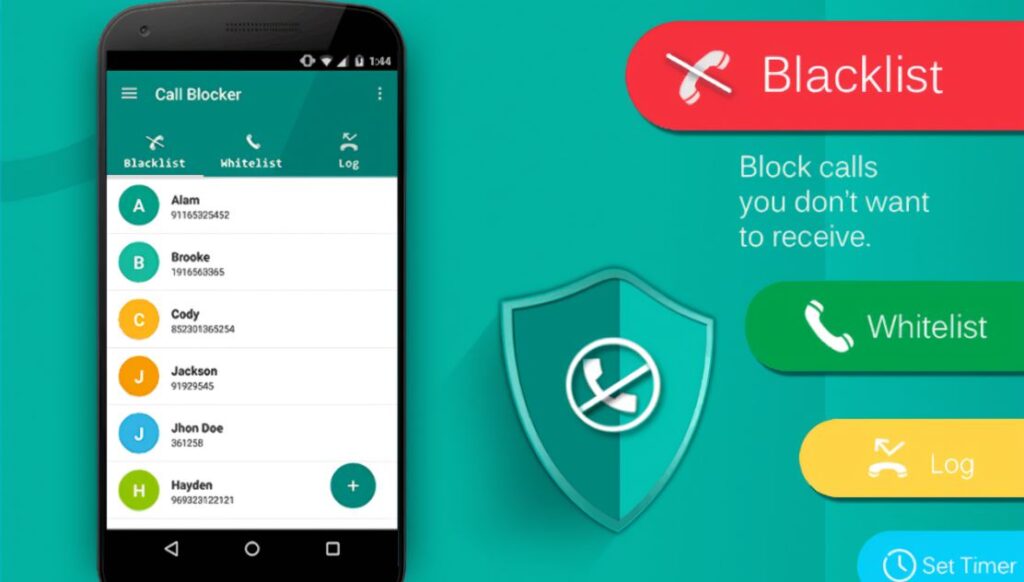
Most smartphones allow blocking and reporting spam calls. This helps reduce repeated attempts.
This practice supports mobile security hygiene at the user level.
Contact your mobile carrier if charged
If a callback occurred, contact your carrier promptly. Early reporting increases the chance of charge mitigation.
Documentation matters in these cases.
Preventive measures to reduce exposure
Prevention focuses on behavior and settings.
Enable call filtering features
Many devices and carriers offer call filtering or warning features for suspected spam numbers.
Activating these features adds a protective layer.
Educate household members
Children and elderly users are more likely to return missed calls impulsively.
Basic awareness significantly reduces risk.
Monitor phone bills regularly
Early detection of unusual charges prevents recurring losses.
This habit is especially important for international plans.
For general background, telephone fraud overview provides neutral explanatory context without commercial intent.
Frequently Asked Questions (FAQ)
What is a missed call scam?
It is a phone scam that profits when victims return missed international calls.
Can a missed call scam steal personal data?
Usually no, but it can confirm your number is active.
Is it safe to call back unknown international numbers?
No, unless you are certain of the caller’s identity.
How do I stop missed call scams permanently?
You cannot eliminate them entirely, but awareness and blocking reduce risk significantly.
Closing perspective
The missed international call scam thrives on impulse and uncertainty. It does not rely on complex deception, but on the assumption that people will react before thinking. By recognizing the pattern and resisting the urge to respond immediately, users retain control over both their finances and their digital safety.