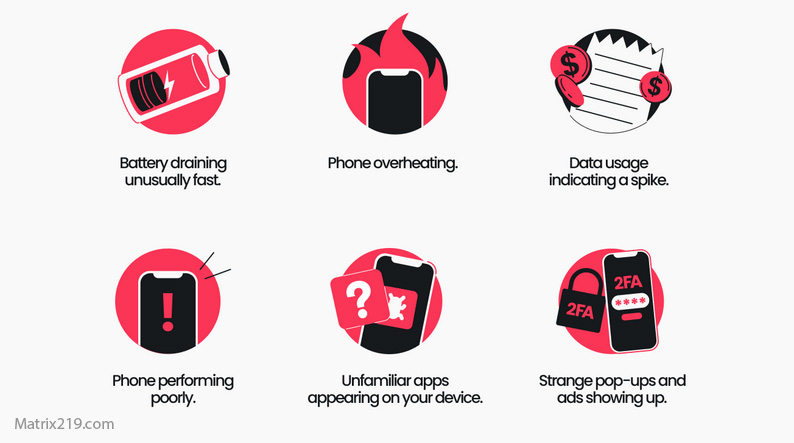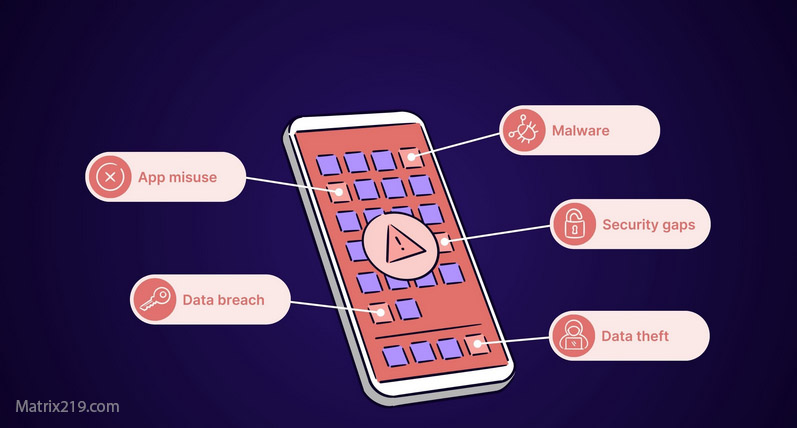
Why Cybersecurity Matters
In today’s digital landscape, cyber threats represent a serious and growing risk to both personal and organizational data. Attacks such as malware infections, phishing campaigns, ransomware, and unauthorized access can compromise sensitive information, disrupt operations, and cause substantial financial and reputational damage. Protecting systems against cyberattacks is therefore essential not only for maintaining data confidentiality and integrity but also for ensuring business continuity and long-term trust in digital services.
Understanding Cyber Attacks
What are Cyber Attacks?
Cyberattacks refer to unauthorized attempts to access, disrupt, or steal information from digital systems. Common types of cyberattacks include:
- Malware & Viruses: Harmful software designed to damage or steal data.
- Phishing Attacks: Fraudulent attempts to obtain sensitive information.
- DDoS Attacks: Overloading a network to disrupt service.
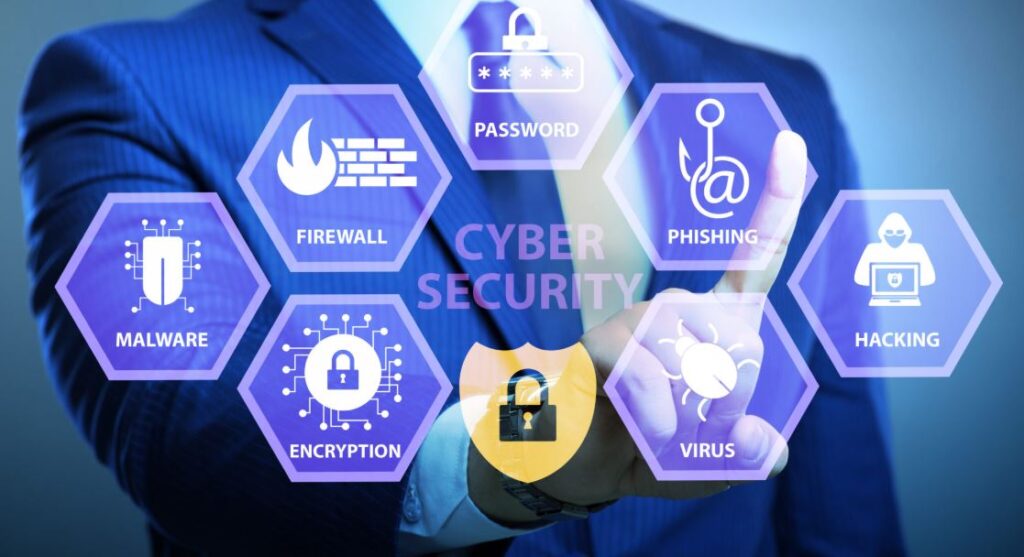
Key Cybersecurity Measures
1. Essential Security Practices
- Regular Software Updates: Patching vulnerabilities to prevent exploits.
- Strong & Unique Passwords: Using complex passwords to protect accounts.
- Employee Training: Educating teams on recognizing cyber threats.
2. Advanced Protection Strategies
- Multi-Factor Authentication (MFA): Adding extra security layers to logins.
- Continuous Monitoring: Detecting suspicious activities in real time.
- Data Backup Solutions: Ensuring quick recovery after an attack.
Cybersecurity Tools & Technologies
Encryption: Protecting data during transmission and storage.
Firewalls: Preventing unauthorized network access.
Intrusion Detection Systems (IDS) & Intrusion Prevention Systems (IPS): Identifying and blocking threats proactively.
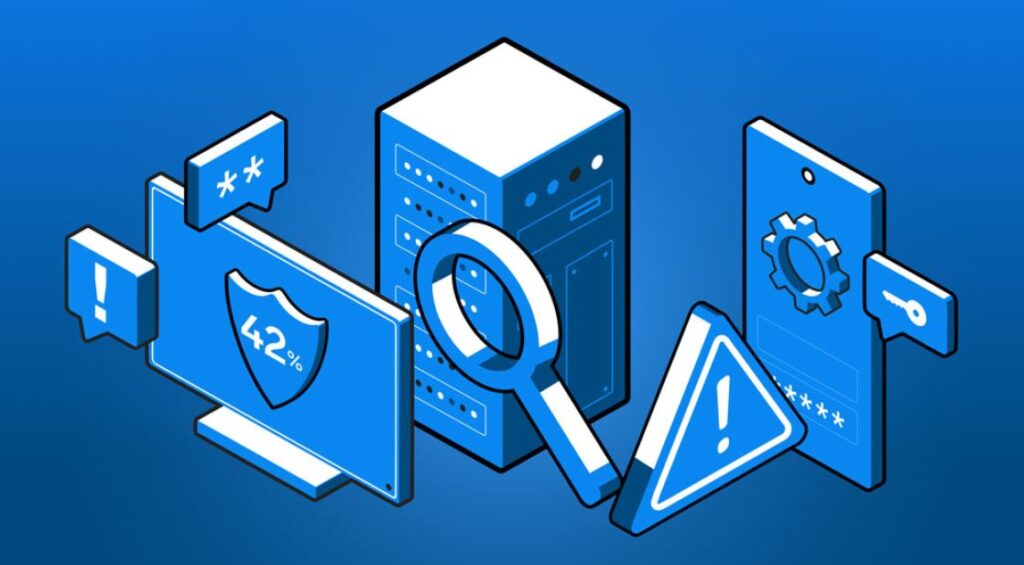
Cybersecurity protection
Final Thoughts
Cybersecurity remains an ongoing and evolving challenge in today’s digital world. As cyber threats continue to grow in complexity, relying on reactive measures alone is no longer sufficient. By implementing robust security strategies, adopting best practices, and leveraging modern security technologies, both individuals and businesses can significantly reduce cyber risks. A proactive and continuously improved cybersecurity approach strengthens defenses, protects critical data, and supports long-term resilience against emerging cyber threats