Voice-based scams have existed for years, but recent advances in artificial intelligence have fundamentally changed how they work. Deepfake voice technology allows attackers to replicate real voices with alarming accuracy, transforming traditional phone scams into highly convincing impersonation attacks.
Understanding how vishing is evolving through deepfake voice technology is essential for recognizing modern threats. This article explains how deepfake voice scams work, why they are more effective than traditional vishing, and what risks they introduce for individuals and organizations.
Quick Navigation
How Voice Scams Worked Before AI
Before AI-driven voice cloning, phone scams relied on:
-
Scripts and social pressure
-
Accents or authority cues
-
Limited personalization
While effective, these attacks often failed when victims recognized unfamiliar voices or inconsistencies.
This earlier model is explained in Vishing Attacks: Voice Phishing Scams on the Rise
What Changed With Deepfake Voice Technology
AI-enabled voice synthesis allows attackers to:
-
Clone voices from short audio samples
-
Match tone, pace, and emotion
-
Adapt speech dynamically during calls
This shift removes one of the strongest human verification signals: voice familiarity.
How Attackers Create Deepfake Voice Scams
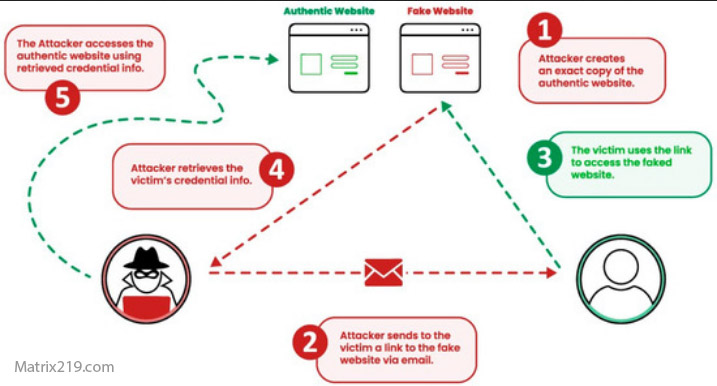
Deepfake voice scams typically follow a structured process:
-
Collect audio from public sources
-
Train or access a voice cloning model
-
Combine the cloned voice with a scam script
-
Initiate real-time or pre-recorded calls
The profiling stage often relies on techniques described in How Attackers Profile Victims Using Public Information
deepfake voice scams
Why Deepfake Voice Scams Are More Convincing
These attacks succeed because they exploit trust at a deeper level.
Victims often:
-
Recognize the voice
-
Assume identity authenticity
-
Lower verification instincts
This psychological effect is rooted in trust dynamics explained in The Psychology Behind Social Engineering Attacks
Realistic Scenarios Where Deepfake Voice Is Used
Common scenarios include:
-
Executives requesting urgent payments
-
Family members asking for emergency help
-
Managers instructing staff to bypass procedures
These attacks closely resemble patterns seen in CEO Fraud: How Executives Are Targeted by Phishing but add a powerful auditory confirmation layer.
Why Traditional Defenses Struggle With Voice Deepfakes
Most security controls focus on digital indicators, not human perception.
Challenges include:
-
No visual verification
-
Caller ID spoofing
-
Real-time emotional manipulation
This explains why voice-based attacks bypass technical safeguards, as discussed in How Social Engineering Attacks Bypass Technical Security
The Role of Real-Time Interaction
Unlike email or SMS scams, deepfake voice attacks evolve during conversation.
Attackers can:
-
Respond to questions
-
Adjust urgency
-
Escalate pressure
This dynamic interaction increases success rates compared to static messages.
Early Warning Signs of Deepfake Voice Scams
Despite realism, some signals may indicate deception:
-
Requests to bypass normal verification
-
Pressure to act immediately
-
Refusal to allow call-back
-
Unusual secrecy demands
These overlap with indicators discussed in Common Social Engineering Red Flags Most Users Miss
How Organizations Can Reduce Risk
Effective mitigation focuses on process, not voice recognition.
Key measures include:
-
Mandatory call-back procedures
-
Out-of-band verification
-
Clear rules for financial or sensitive requests
-
Training that assumes voice impersonation is possible
Voice should never be treated as proof of identity.
External Perspective on Voice Deepfakes
Cybersecurity authorities increasingly warn that voice cloning is being actively used in fraud and impersonation campaigns, as highlighted in Europol AI-Enabled Fraud Warnings
Frequently Asked Questions (FAQ)
How realistic are deepfake voice scams today?
Very realistic. Short audio samples are often enough to clone a voice.
Are these attacks fully automated?
Sometimes. Many involve AI-generated voices guided by human operators.
Can people reliably detect voice deepfakes?
Not consistently, especially under stress or urgency.
Are voice deepfakes illegal?
Yes. They are commonly used in fraud and impersonation crimes.
What is the best defense against voice-based impersonation?
Verification processes that do not rely on voice alone.
Conclusion
Deepfake voice scams show how vishing is evolving from scripted calls into highly personalized impersonation attacks. By exploiting familiarity and emotional trust, attackers bypass one of the oldest human verification methods.
Defending against this threat requires a shift in mindset: voices can no longer be trusted as identity proof. In an AI-driven landscape, verification must rely on process, not perception.