In today’s digital environment, protecting sensitive data is essential for ensuring privacy, security, and trust. As information is increasingly stored, transmitted, and processed electronically, it has become a prime target for cybercriminals and unauthorized access. Encryption is one of the most effective mechanisms for protecting this data, as it transforms readable information into an encoded format that can only be accessed by authorized parties with the appropriate decryption keys. This article explores how encryption works, explains its importance in modern cybersecurity, and outlines best practices for implementing encryption effectively to safeguard data across systems and networks.
What is Encryption?
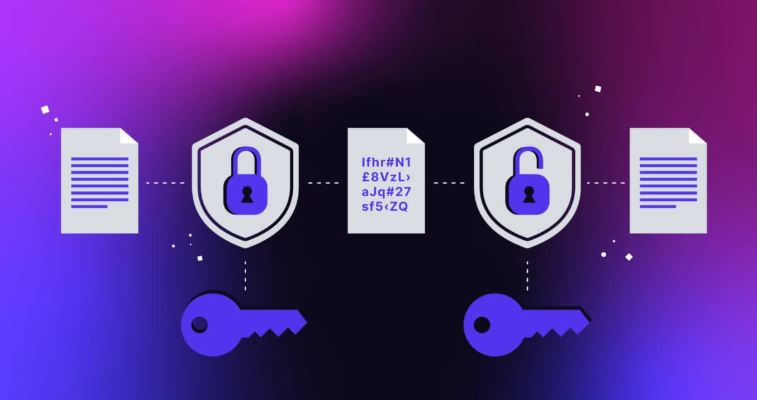
Encryption is the process of converting data into an unreadable format using mathematical algorithms. It can only be decrypted using a specific key, ensuring that sensitive information remains secure even if intercepted.
Importance of Encryption
Encryption provides an additional security layer to protect sensitive data, especially personal, financial, and healthcare information. It also helps businesses comply with data protection regulations and privacy laws.
Types of Encryption
- Symmetric Encryption – Uses a single key for both encryption and decryption.
- Asymmetric Encryption – Uses a pair of keys (public and private) for secure data exchange.
Encryption Tools and Software
Several tools are available for encrypting data, such as:
- BitLocker (Windows) – Full disk encryption.
- FileVault (macOS) – Encrypts entire Mac drives.
- VeraCrypt – A cross-platform encryption solution.
- OpenSSL & GnuPG – Open-source encryption tools for developers.
How to Encrypt Data
- Encrypting Files – Use tools like VeraCrypt or File Vault.
- Full Disk Encryption – Enable BitLocker or File Vault to protect an entire drive.
- Application-Level Encryption – Secure emails and online transactions with SSL/TLS.
Encryption in Communication
To protect data in transit, secure communication protocols like HTTPS, SSL/TLS, and end-to-end encrypted messaging apps like Signal and WhatsApp should be used.
Best Practices for Encryption
- Use strong encryption algorithms like AES-256.
- Regularly update encryption software to patch vulnerabilities.
- Never share encryption keys with untrusted sources.
Conclusion
In today’s digital environment, protecting sensitive data is essential for maintaining privacy, security, and trust. As information is increasingly stored, transmitted, and processed electronically, it becomes a prime target for cybercriminals and unauthorized access. Encryption is one of the most effective tools for safeguarding data, as it converts readable information into an encoded format that can only be accessed by authorized parties with the correct decryption key. This article explains how encryption works, why it is critical to modern cybersecurity, and outlines best practices for implementing encryption effectively to protect data across systems and networks.
Source: Read the full article on Matrix219.Net