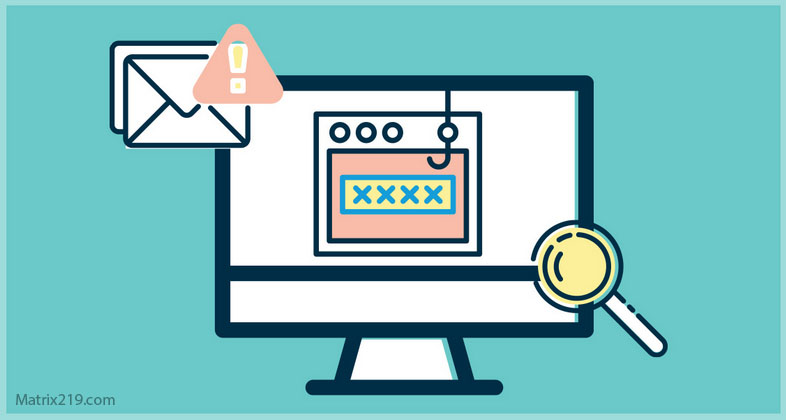
Fake websites and clone pages are among the most effective tools used in modern digital fraud. In 2026, scammers no longer rely on poorly designed or obviously suspicious pages. Instead, they replicate legitimate websites almost perfectly, copying layouts, logos, scripts, and interactive elements with precision that makes visual inspection nearly useless.
This form of deception works because it targets human trust rather than technical weaknesses. What users perceive as familiarity and legitimacy is often nothing more than a carefully staged illusion, making clone pages a clear example of social engineering techniques used at scale. Understanding how these pages operate is essential for recognizing human-focused cyber attacks before credentials or financial data are lost.
This article breaks down how clone websites are created, how they manipulate users, and how to identify them reliably before damage occurs.
Quick Navigation
How Clone Websites Are Created
Most clone websites are not built from scratch. Attackers copy source code, images, stylesheets, and scripts directly from real websites, sometimes hosting the cloned pages on compromised servers or abused subdomains. This allows fake sites to appear legitimate not only to users, but also to basic automated security checks.
With modern automation tools, cloning has become fast, cheap, and scalable. What was once a manual scam is now part of a broader social engineering attack lifecycle, where distribution and volume matter more than technical complexity.
Why HTTPS and Lock Icons Don’t Mean Safety
Many users still treat HTTPS and lock icons as signs of trust. This assumption is no longer valid.
HTTPS only encrypts the connection between the user and the website. It does not verify the identity, intent, or legitimacy of the site owner. Scammers routinely use free SSL certificates to add a lock icon, creating a false sense of safety while harvesting data. In this context, encryption protects information in transit, but does nothing to prevent social engineering trust exploitation.
How Users Are Lured to Fake Websites
Users rarely arrive at clone pages by chance. Most traffic comes from phishing messages, fake advertisements, sponsored search results, QR codes, or impersonation attempts. These entry points are designed to deliver victims directly to a convincing page that completes the deception.
The website itself is usually the final step in much larger large-scale social engineering campaigns, where attention is funneled toward a single moment of trust failure.
Domain Tricks That Fool Even Careful Users
Clone websites often rely on subtle domain manipulation rather than obvious misspellings. Attackers use extra words, hyphens, international characters, and lookalike domains that pass quick visual checks. On mobile devices, where full URLs are harder to inspect, these tricks are even more effective.
This approach leverages psychological manipulation in online scams, exploiting speed, distraction, and habit rather than technical ignorance.
Fake Login Pages and Credential Harvesting
The most common purpose of clone pages is credential theft. Victims are guided to what appears to be a legitimate login screen, where they enter usernames, passwords, or verification codes that are instantly transmitted to attackers. In many cases, users are redirected to the real website afterward, believing the login succeeded normally.
Because nothing visibly breaks, the theft remains unnoticed. This silent extraction of credentials is a defining feature of modern social engineering threats, where deception replaces brute-force attacks.
Clone Payment Pages and Checkout Fraud
Some clone websites go beyond login forms and simulate complete checkout experiences. Users may enter card numbers, billing addresses, and verification codes under the assumption that they are completing a legitimate transaction. Even when no immediate charge appears, the captured data can be reused later or sold to other criminal groups.
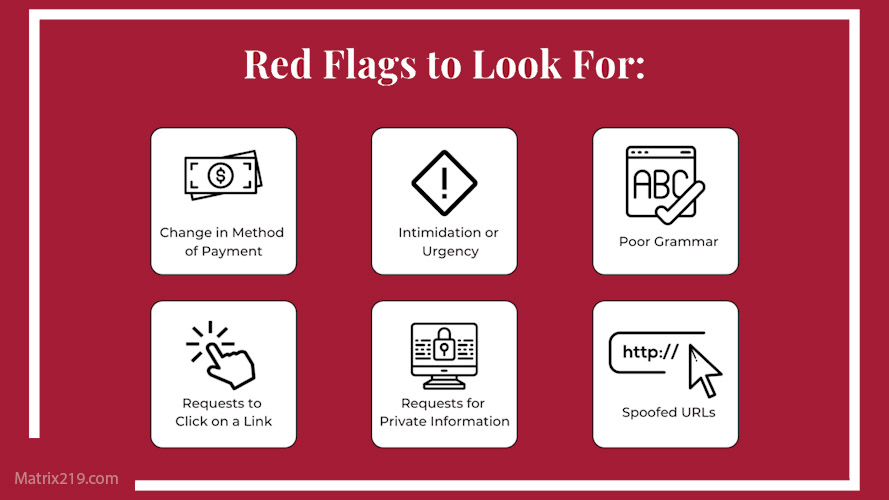
Payment pages remain especially valuable targets because financial data enables long-term fraud and account compromise, making them central to human-based cyber attacks.
Fake Customer Support and Chat Widgets
Advanced clone pages often include fake customer support or chat widgets designed to reassure users and reduce suspicion. These chats answer questions, provide instructions, and guide victims step by step through the scam, creating the illusion of legitimate assistance.
This technique closely mirrors conversational scam automation, where conversation itself becomes the manipulation mechanism. Whether automated or human-operated, the interaction is carefully engineered to feel helpful while remaining entirely deceptive.
How to Detect Clone Websites Reliably
Reliable detection depends on habits, not visuals. Users should navigate directly using bookmarks instead of links, inspect full domain names carefully, and avoid logging in through ads or unsolicited messages. Password managers provide an additional layer of defense by auto-filling credentials only on verified domains.
These behaviors form the foundation of protection against social engineering, shifting security decisions from appearance to verification.
When auto-fill fails, it is a signal to stop and investigate.
What to Do If You Entered Information on a Fake Site
If credentials or payment details were entered on a suspicious website, immediate action matters. Passwords should be changed from a trusted device, active sessions revoked, and financial institutions contacted if payment data was shared. Accounts should be monitored closely for unusual activity.
Fast response is a key component of social engineering prevention strategies, often preventing small mistakes from escalating into full account compromise.
Why Clone Sites Are So Effective at Scale
Clone websites require minimal interaction to succeed. A single well-designed page can capture thousands of credentials quickly, while automation handles data collection and attackers focus on traffic distribution. In many cases, automated scam conversations are layered on top to increase conversion rates.
Efficiency, not sophistication, is what makes clone sites dangerous.
Clone Websites in the Broader Fraud Chain
Clone pages rarely operate in isolation. They support phishing, impersonation, account takeover, and financial fraud across multiple channels. Understanding how they function strengthens defenses across the entire fraud ecosystem and reinforces the importance of defensive awareness techniques.
For external technical guidance on identifying malicious websites, see Google Safe Browsing documentation.
For the complete fraud framework this article fits into, see: Online Scams & Digital Fraud: How to Spot, Avoid, and Recover (2026 Guide)
FAQ
Can fake websites appear in Google search results?
Yes. Through ads, SEO abuse, or compromised domains.
Is HTTPS useless then?
No. It protects data in transit, but not from deception.
Are mobile users more vulnerable?
Yes. Smaller screens obscure domain details.
Do password managers help against fake sites?
Yes. They significantly reduce domain-based deception.
Can clone pages steal two-factor codes?
Yes. Some do this in real time.