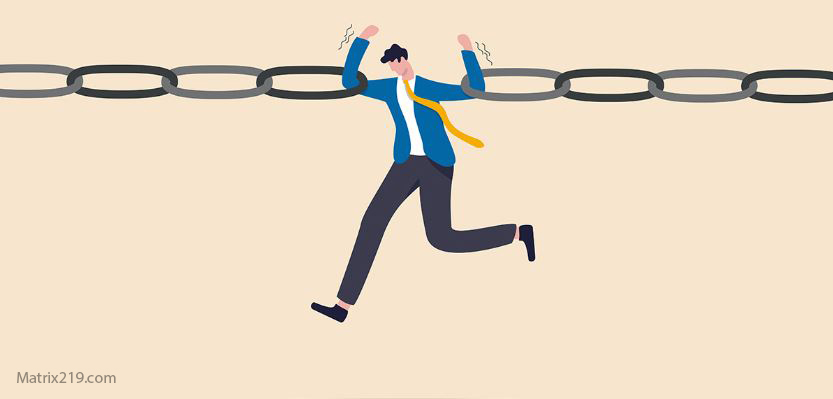
Why humans are the weakest link in cybersecurity is a reality security professionals have acknowledged for years. Despite advanced security tools, automated defenses, and strict policies, breaches still occur—often because a human made a decision attackers anticipated.
Cybersecurity systems are designed and operated by people. Attackers understand this and focus on exploiting human behavior rather than breaking technology. This article explains why humans are considered the weakest link in cybersecurity, how social engineering exploits this weakness, and what it means for modern security strategies.
Quick Navigation
Why Humans Are the Weakest Link in Cybersecurity Systems
Humans introduce unpredictability into cybersecurity.
Unlike systems, people:
-
Make decisions under pressure
-
Trust familiar signals
-
Get distracted or overloaded
-
Prioritize speed over caution
Attackers exploit these traits to bypass controls without triggering alarms. This concept is central to Social Engineering: The Complete Guide to Human-Based Cyber Attacks (2026)
Human Error in Cybersecurity vs Technical Failure
Human Error as a Cybersecurity Vulnerability
Human error includes:
-
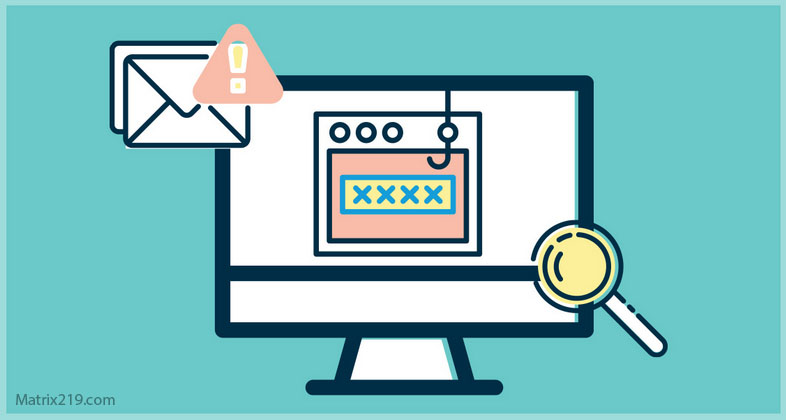
Clicking malicious links
-
Reusing passwords
-
Sharing credentials
-
Ignoring security warnings
These actions undermine even the strongest technical defenses and align with the definition outlined in What Is Social Engineering in Cybersecurity? (Updated Definition)
Why Technical Systems Fail Less Often Than Humans
Technical systems:
-
Follow predefined rules
-
Do not experience emotion
-
Do not respond to urgency or fear
When properly configured, systems behave predictably. Humans do not.
How Social Engineering Exploits Human Weaknesses in Cybersecurity
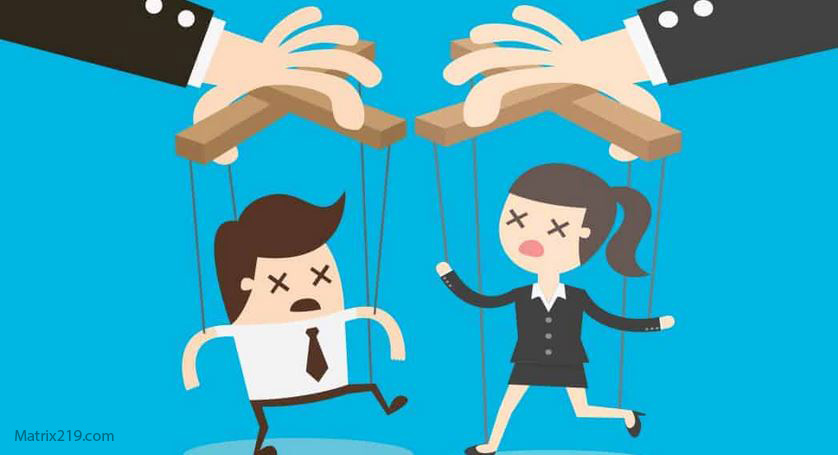
Social Engineering Targets Trust, Not Technology
Social engineering attacks succeed because they:
-
Mimic legitimate communication
-
Exploit authority and familiarity
-
Create urgency
This manipulation is far more effective than malware in many cases, as explained in Why Social Engineering Attacks Are More Effective Than Malware
Psychological Triggers That Make Humans Vulnerable
Attackers exploit:
-
Authority bias
-
Fear of consequences
-
Desire to help
-
Routine behavior
These triggers are analyzed in depth in The Psychology Behind Social Engineering Attacks
Why Training Alone Cannot Fix the Human Weakness
Security Awareness vs Human Behavior
Training improves awareness, but:
-
Stress reduces recall
-
Habits override rules
-
Context changes behavior
This is why trained employees still fall victim during real attacks.
Why Procedures Are Ignored Under Pressure
When urgency is introduced, people:
-
Skip verification
-
Break policy “just this once”
-
Trust instead of confirm
These moments are precisely where social engineering attacks succeed, following the pattern described in Social Engineering Attack Lifecycle: Step-by-Step Breakdown
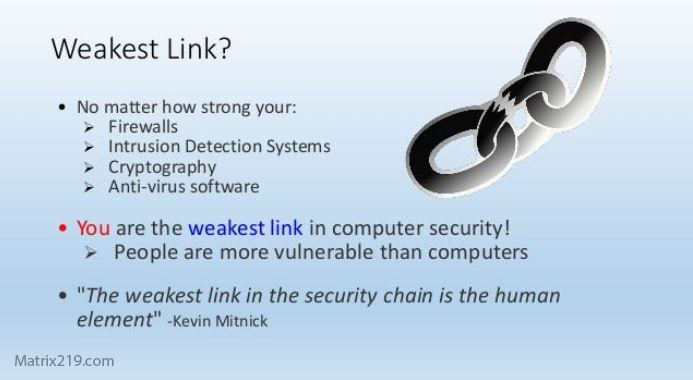
why humans are the weakest link in cybersecurity
Humans as the Weakest Link in Cybersecurity Detection
Human-based attacks often:
-
Appear legitimate
-
Leave no technical indicators
-
Use valid credentials
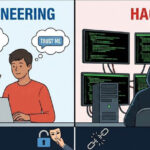
As a result, detection happens late—after access is already granted. This makes social engineering harder to detect than traditional hacking, as discussed in Social Engineering vs Hacking: What’s the Difference?
Are Humans Always the Weakest Link in Cybersecurity?
Humans are not the problem by nature.
They become the weakest link when:
-
Systems rely solely on trust
-
Processes lack verification
-
Security design ignores human behavior
Security improves when systems assume mistakes will happen and limit their impact.
Designing Cybersecurity Around Human Limitations
Effective cybersecurity accepts that humans will err.
Better approaches include:
-
Reducing decision pressure
-
Enforcing verification automatically
-
Limiting damage from single mistakes
This shift moves security away from blame and toward resilience.
External View on Human Risk in Cybersecurity
Industry research consistently shows that the majority of breaches involve human interaction rather than purely technical exploitation, a conclusion supported by guidance from Verizon Human Element in Breaches
Frequently Asked Questions (FAQ)
Why are humans considered the weakest link in cybersecurity?
Because attackers exploit predictable human behavior such as trust, urgency, and emotion rather than technical flaws.
Does this mean employees are to blame for breaches?
No. The issue is system design that relies too heavily on perfect human behavior.
Can technology eliminate human error?
No. Technology can reduce risk, but humans will always make decisions attackers can exploit.
Is social engineering the main reason humans are vulnerable?
Yes. Social engineering is specifically designed to exploit human psychology.
How can organizations reduce human-related risk?
By designing systems that assume mistakes will happen and limit their impact.
Conclusion
Humans are the weakest link in cybersecurity not because they are careless, but because attackers design attacks around human behavior. Social engineering exploits trust, emotion, and routine—factors no software can fully control.
Recognizing this reality allows organizations to build security strategies that protect people as much as systems. In modern cybersecurity, resilience comes from designing defenses that account for human nature, not from expecting humans to be flawless.