Payment scams built around irreversible transfers cause some of the most permanent losses in digital fraud. Unlike account takeovers or marketplace disputes, these scams succeed because the payment itself is designed to be final. Once executed, there is no built-in mechanism to undo it, which makes these schemes especially devastating for victims who act in good faith.
In 2026, attackers rarely rely on malware or technical exploits alone. Instead, they focus on steering victims toward payment methods that are fast, anonymous, and extremely difficult to reverse. This payment-focused approach is a core component of many modern fraud operations documented in Online Scams & Digital Fraud: How to Spot, Avoid, and Recover (2026 Guide), where financial finality becomes the decisive moment of loss.
Quick Navigation
Why Irreversibility Is a Strategic Advantage for Scammers
Some payment systems are intentionally irreversible to reduce disputes between legitimate parties and ensure transactional certainty. Scammers exploit this design choice by engineering situations where victims authorize the payment themselves, usually under pressure, fear, or false authority.
This technique aligns closely with human-based cyber attacks, where psychological manipulation replaces technical compromise. Once a transaction is completed, there is no chargeback window, dispute layer, or centralized authority capable of reversing it. From the scammer’s perspective, finality is not a flaw—it is the feature being weaponized.
Payment Methods Commonly Targeted in Fraud
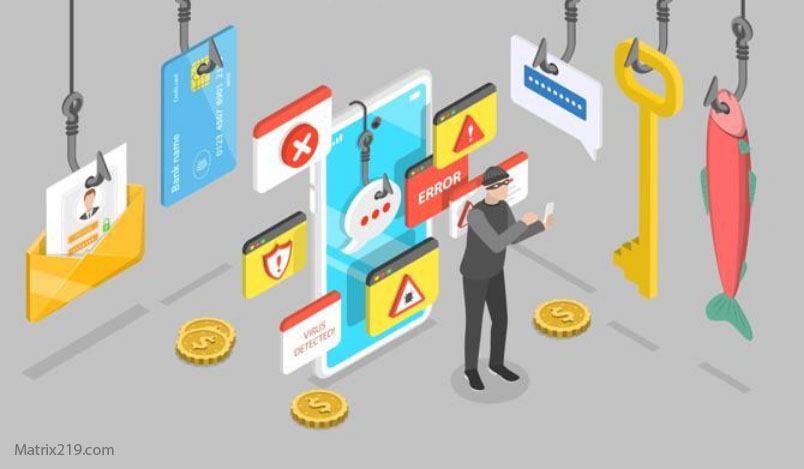
Fraudsters consistently guide victims toward payment channels that minimize recovery options. These include wire transfers, gift cards, cryptocurrency, instant bank payments, peer-to-peer apps, and prepaid vouchers.
The shared characteristic is not the technology itself, but the absence of reversibility and the speed at which funds can be moved. When a payment method feels rushed, final, or unusually constrained, it often signals deliberate exploitation rather than convenience.
Gift Cards as a High-Risk Payment Instrument
Gift cards are among the most abused tools in payment-related scams. Once a code is shared, it can be redeemed immediately or resold across multiple platforms, leaving no realistic path for recovery.
No legitimate company requests payment in gift cards. When scammers insist on this method, they are relying on the same urgency and authority tactics seen in social engineering prevention failures, where emotional pressure overrides basic validation.
Wire Transfers and Instant Bank Payments
Wire transfers and instant bank payments are designed for certainty and speed. That same certainty makes them attractive to attackers seeking large, irreversible transfers.
Once processed, banks often have limited ability to intervene, particularly with international routing. Victims are frequently shocked to learn that even verified institutions cannot undo an authorized transaction, which is why understanding post-breach financial recovery limits is critical before initiating any high-risk payment.
Cryptocurrency and Digital Asset Payments
Cryptocurrency payments are frequently used in scams because they operate outside traditional banking controls. While blockchains themselves are transparent, wallet ownership is often anonymous, and recovery typically requires law enforcement involvement and cooperation from exchanges.
Crypto is not inherently unsafe. It is simply unforgiving when deception or irreversible mistakes occur, especially when combined with sophisticated manipulation techniques.

Peer-to-Peer Payment Apps and Social Trust Abuse
Peer-to-peer payment apps are built for transfers between known, trusted parties. Scammers exploit this trust by impersonating contacts, spoofing identities, or using automated conversations to create believable social contexts.
These tactics increasingly overlap with AI-driven social manipulation where chatbots and scripted interactions accelerate persuasion and reduce hesitation. Even when platforms display warnings, psychological pressure often neutralizes caution at the moment of decision.
Secondary Payments and Fake “Release Fees”
After an initial transfer, many scams escalate into secondary payment demands. Victims may be told they must pay taxes, verification charges, processing fees, or release costs to recover funds or complete a transaction.
Any situation where payment is required to unlock money is a continuation of the scam, not a resolution. This pattern is designed to extract maximum value from victims who are already emotionally and financially compromised.
Why Banks and Platforms Often Cannot Reverse the Damage
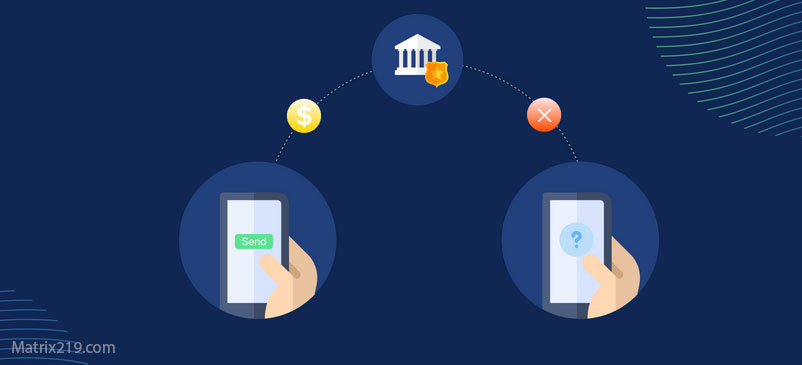
Victims are often surprised when banks or platforms explain that recovery is unlikely. If a payment was authorized by the account holder—even under manipulation—it may fall outside traditional fraud protections.
Scammers deliberately operate in this gray area between unauthorized theft and coerced authorization. At this stage, understanding legal account recovery boundaries becomes essential, as speed is often the only remaining leverage.
Protecting Yourself Before a Payment Becomes Final
The most effective defense against payment scams is procedural rather than technical. Pre-commitment rules reduce the impact of emotional pressure and prevent rushed decisions.
Effective rules include refusing urgent payment requests, avoiding gift cards or cryptocurrency for services, verifying requests through independent channels, and treating urgency as a stop signal rather than a motivator. These behavioral defenses are central to comprehensive social engineering protection strategies.
Rules consistently outperform judgment during high-stress scenarios.
What to Do Immediately After Sending Money
If a transfer has already occurred, response time becomes critical. Victims should contact their bank or payment provider immediately, report the transaction as fraud, document all communications, and notify the platform involved.
Once funds move through irreversible channels, minutes matter more than explanations.
Payment Scams as the Final Stage of Fraud
Most digital fraud schemes ultimately aim to move victims into irreversible payment systems. Understanding how these mechanisms work provides a final checkpoint—often the last opportunity to prevent permanent loss.
For official guidance on reporting payment-related fraud, consult Federal Trade Commission (FTC) – Report Fraud.
FAQ
Are all irreversible payments scams?
No. However, scammers deliberately choose them because recovery is unlikely.
Can banks ever recover wire transfers?
Rarely, and typically only with immediate action.
Is cryptocurrency always unsafe?
No, but it offers limited recovery once funds are sent.
Why do scammers push urgency during payment?
To prevent verification, hesitation, and second opinions.
What is the safest response to a payment request?
Pause, verify independently, and refuse pressure.