Why Is Personal Information Security Important?
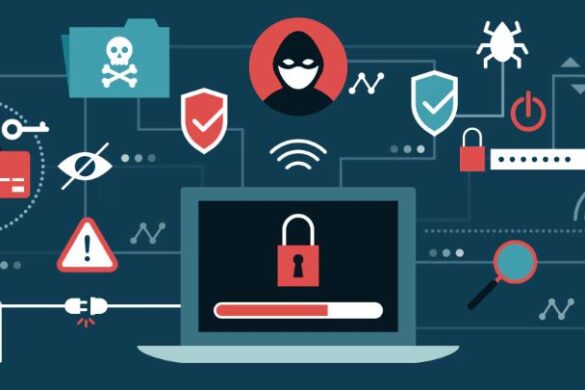
In today’s digital environment, personal information security is a fundamental requirement rather than an optional practice. Individuals routinely share sensitive data online, including identification details, contact information, and financial records, making them attractive targets for cybercriminals. As cyber threats continue to evolve in scale and sophistication, failure to protect personal data can lead to identity theft, financial loss, privacy violations, and long-term reputational damage. Taking proactive measures to secure online information helps individuals maintain control over their digital identities, reduce exposure to cyber risks, and ensure safer participation in modern digital services and platforms.
Key Cybersecurity Measures for Individuals
1.Using strong and unique passwords is one of the most effective steps individuals can take to protect their online accounts. Passwords should be carefully constructed using a mix of uppercase and lowercase letters, numbers, and special symbols to make them difficult to guess or crack through automated attacks. Reusing the same password across multiple platforms significantly increases risk, as a single breach can expose several accounts at once. To manage complex and unique passwords efficiently, individuals are strongly advised to use a password manager, which securely stores credentials and reduces the need to memorize multiple passwords while maintaining a high level of security.
2. Enable Two-Factor Authentication (2FA)
Go to security settings on your accounts.
Activate 2FA for added protection.
3. Regularly Update Software & Systems
Enable automatic updates on your devices.
Frequently check for security patches and updates.
4. Use a Virtual Private Network (VPN)
Choose a reliable VPN service.
Install and activate VPN before browsing online.
5. Beware of Phishing Emails & Suspicious Links
Phishing emails and malicious links remain among the most common methods used by cybercriminals to steal personal information. Individuals should always verify the identity of the sender before opening attachments, clicking links, or responding to messages, especially when the communication creates a sense of urgency or requests sensitive information. Personal details, login credentials, and financial data should never be shared through email or text messages, as legitimate organizations do not request such information through these channels. Maintaining a cautious and verification-first approach significantly reduces the risk of falling victim to phishing attacks.
6. Manage Privacy Settings on Social Media
Review and adjust your account’s privacy settings.
Control who can see your posts and personal information.
Conclusion
Following these cybersecurity best practices can significantly enhance your digital safety. By securing your passwords, enabling 2FA, and being cautious with online interactions, you can effectively protect your personal information from cyber threats.