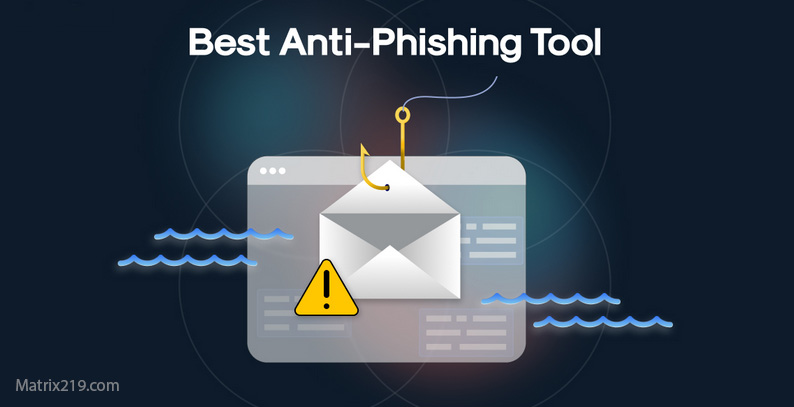
Phishing remains one of the most persistent cyber threats, even as security technologies continue to evolve. While many organizations invest heavily in detection solutions, attacks still succeed by blending into legitimate communication and exploiting normal user behavior.
This article compares different categories of phishing detection tools, explains what each type is designed to catch, where limitations exist, and why relying on a single tool is rarely enough to stop modern phishing attacks.
Quick Navigation
Understanding How Phishing Detection Actually Works
Phishing detection relies on identifying signals that indicate deception rather than technical exploitation. These signals may appear before an attack reaches the user, during interaction, or only after access has been abused.
Because phishing attacks vary widely in delivery and intent, detection tools are typically specialized rather than universal.
Email Security Tools and Message Filtering
Email-focused security tools analyze incoming messages before they reach users. They evaluate:
-
Sender reputation
-
Message structure and language
-
Attachments and embedded links
-
Known attack patterns
These tools are effective against large-scale campaigns but often struggle with highly targeted attacks that resemble normal business communication, especially those seen in Business Email Compromise (BEC) Attacks Explained
Link and Website Analysis Capabilities
Some detection solutions focus on identifying malicious destinations rather than messages themselves. These systems inspect:
-
Domain age and reputation
-
Redirect behavior
-
Page structure and hosting patterns
They are particularly useful against credential theft scenarios like those described in Credential Harvesting Attacks Explained However, newly created or well-cloned sites may evade detection initially.
File and Attachment Inspection Tools
Attachment-focused tools are designed to stop malware delivery. They commonly use:
-
File type restrictions
-
Sandboxing environments
-
Behavioral analysis
These tools perform well against malicious documents but offer little protection when attacks rely solely on links or user interaction.
Identity and Behavior Monitoring Systems
Some tools detect phishing indirectly by identifying abnormal behavior after access is gained. These systems monitor:
-
Login locations and timing
-
Session behavior
-
Privilege changes
This approach aligns with later stages of the Social Engineering Attack Lifecycle: Step-by-Step Breakdownand helps reduce damage rather than prevent initial compromise.
Browser and Endpoint Warnings
Modern browsers and operating systems include built-in protections that warn users about known malicious pages or downloads. While useful, these warnings depend heavily on existing threat intelligence and often miss newly deployed phishing sites created through techniques discussed in How Attackers Clone Legitimate Websites for Phishing
Why Detection Tools Miss Phishing Attacks
Even advanced systems fail when attacks:
-
Use legitimate platforms
-
Avoid malware entirely
-
Rely on voluntary user approval
This limitation reflects a broader issue explained in How Social Engineering Attacks Bypass Technical SecurityTechnology cannot always distinguish deception from normal behavior.
Technology vs Human Judgment
Detection tools support security decisions, but they do not replace human awareness. Phishing continues to succeed because it exploits trust, urgency, and routine rather than vulnerabilities in software.
This is why phishing remains more effective than many technical attack methods, as discussed in Why Social Engineering Attacks Are More Effective Than Malware
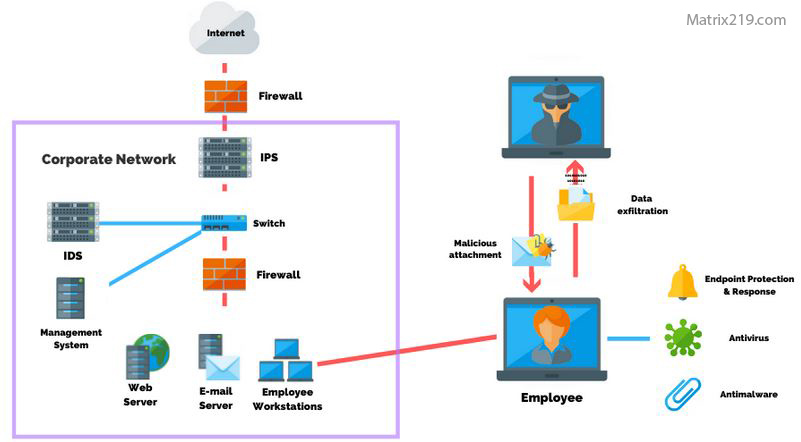
Why Social Engineering Attacks Are More Effective Than Malware
Building an Effective Detection Strategy
Rather than choosing a single solution, effective defense combines:
-
Email filtering
-
Link and website analysis
-
Identity monitoring
-
User awareness and verification procedures
Detection should slow attackers down and reduce impact, not promise perfect prevention.
External Perspective on Detection Limitations
Security standards consistently emphasize layered detection and realistic expectations, as reflected in NIST Cybersecurity Detection Guidance
Frequently Asked Questions (FAQ)
Do phishing detection tools stop all attacks?
No. They reduce exposure but cannot prevent every phishing attempt.
Are some tools better than others?
Each tool addresses different stages of an attack. Effectiveness depends on how they are combined.
Can detection tools replace security awareness?
No. Awareness remains critical for identifying deception that tools cannot see.
Why do targeted attacks bypass detection more often?
Because they resemble legitimate communication and avoid technical indicators.
Should small organizations use detection tools?
Yes, but simplicity and awareness often provide better returns than complexity.
Conclusion
Comparing phishing detection tools reveals an important reality: phishing is not a technical problem alone. Detection technologies are essential, but they operate within limits defined by human behavior and trust.
The strongest defense strategy accepts these limits and focuses on layered detection, verification, and user awareness. In phishing defense, tools assist—but people decide.