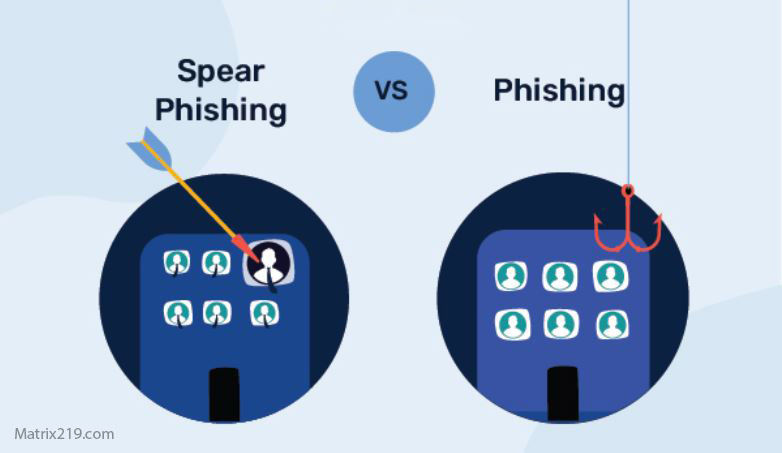
Spear phishing vs phishing is a comparison many users misunderstand. While both are phishing attacks, they differ significantly in targeting, preparation, and impact. Treating them as the same threat often leads to poor detection and ineffective defense strategies.
Phishing attacks usually target many users at once, while spear phishing attacks are carefully crafted for specific individuals. This article explains the key differences between spear phishing and phishing, how each attack works, and why spear phishing is far more dangerous despite appearing similar on the surface.
Quick Navigation
Phishing Attacks: What Is Traditional Phishing?
Traditional Phishing Attacks Explained
Phishing attacks are mass-distributed messages designed to trick large numbers of users.
Traditional phishing attacks typically:
-
Use generic messaging
-
Target many recipients
-
Rely on volume over precision
These attacks aim to catch anyone who responds, aligning with the definition outlined in What Is Phishing? A Complete Beginner’s Guide
Spear Phishing Attacks: What Is Spear Phishing?
Spear Phishing Attacks Explained Clearly
Spear phishing attacks are targeted phishing attacks aimed at specific individuals or roles.
Spear phishing attacks usually involve:
-
Personalized messages
-
Victim-specific context
-
Detailed preparation
These attacks rely heavily on profiling techniques explained in How Attackers Profile Victims Using Public Information
Spear Phishing vs Phishing: Targeting Differences
How Spear Phishing Targets Differ From Phishing Targets
Phishing attacks target:
-
Large groups
-
Random or semi-random users
Spear phishing attacks target:
-
Executives
-
Finance staff
-
IT administrators
This targeting difference makes spear phishing significantly more dangerous than generic phishing.
Spear Phishing vs Phishing: Preparation and Effort
Why Spear Phishing Requires More Preparation Than Phishing
Phishing attacks require minimal preparation.
Spear phishing attacks require:
-
Reconnaissance
-
Social media analysis
-
Organizational research
This preparation mirrors early stages of the Social Engineering Attack Lifecycle: Step-by-Step Breakdown
Spear Phishing vs Phishing: Attack Success Rates
Why Spear Phishing Attacks Succeed More Often Than Phishing
Spear phishing attacks succeed more often because:
-
Messages feel familiar
-
Context appears legitimate
-
Victims lower skepticism
This explains why targeted phishing often outperforms malware and generic attacks, as discussed in Why Social Engineering Attacks Are More Effective Than Malware
Spear Phishing vs Phishing: Detection Challenges
Why Spear Phishing Is Harder to Detect Than Phishing
Traditional phishing attacks are easier to detect because:
-
Patterns repeat
-
Messages are similar
Spear phishing attacks:
-
Are unique
-
Avoid known signatures
-
Appear legitimate
This makes them harder for both users and security tools to identify.
Spear Phishing vs Phishing: Real-World Examples
Example of a Traditional Phishing Attack
A fake email claims an account problem and asks many users to click a link.
Example of a Spear Phishing Attack
An attacker impersonates a manager and requests a specific employee to urgently review a document.
These examples mirror scenarios explained in Real-World Social Engineering Examples Explained Simply
Why Spear Phishing Is More Dangerous Than Phishing
Spear Phishing Attacks and High-Impact Damage
Spear phishing attacks often lead to:
-
Financial fraud
-
Credential theft
-
Data breaches
Because they target privileged users, the damage is usually severe.
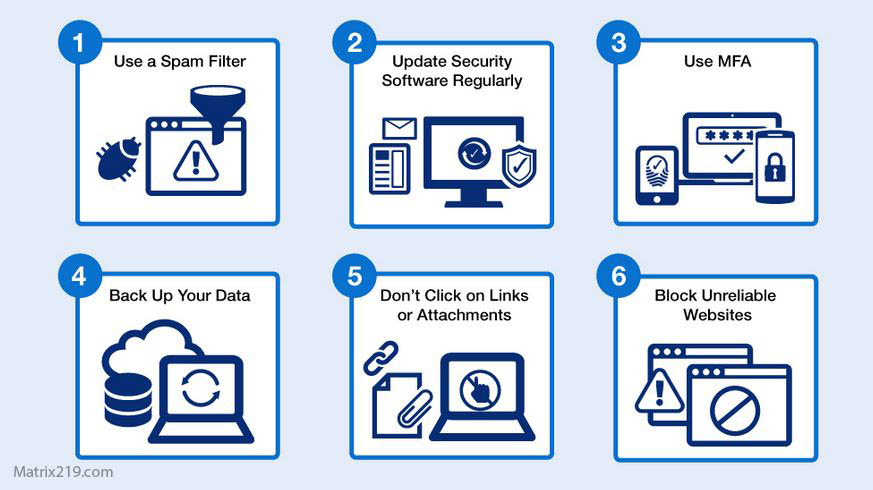
How to Defend Against Phishing and Spear Phishing
Phishing Defense vs Spear Phishing Defense
Effective defense includes:
-
Verification of requests
-
Awareness of personalization tactics
-
Mandatory callbacks for sensitive actions
Defenses must assume attackers will personalize attacks.
spear phishing vs phishing
External Perspective on Phishing vs Spear Phishing
Cybersecurity research consistently identifies spear phishing as one of the most effective initial access techniques, as highlighted in Verizon Phishing Attack Analysis
Frequently Asked Questions (FAQ)
Is spear phishing just a more advanced phishing attack?
Yes. Spear phishing is a targeted form of phishing that uses personalization.
Are spear phishing attacks rare?
No. They are increasingly common, especially against organizations.
Can antivirus detect spear phishing?
Rarely. Spear phishing often looks legitimate and uses no malware.
Should users treat all phishing the same?
No. Targeted phishing requires stricter verification and awareness.
Why do attackers prefer spear phishing?
Because it has higher success rates and greater impact.
Conclusion
Spear phishing vs phishing is a critical distinction in modern cybersecurity. While traditional phishing relies on scale, spear phishing relies on precision. By targeting specific individuals with personalized messages, spear phishing bypasses defenses more effectively and causes greater damage.
Understanding the difference between phishing and spear phishing allows individuals and organizations to apply the right defenses and reduce risk from both attack types.