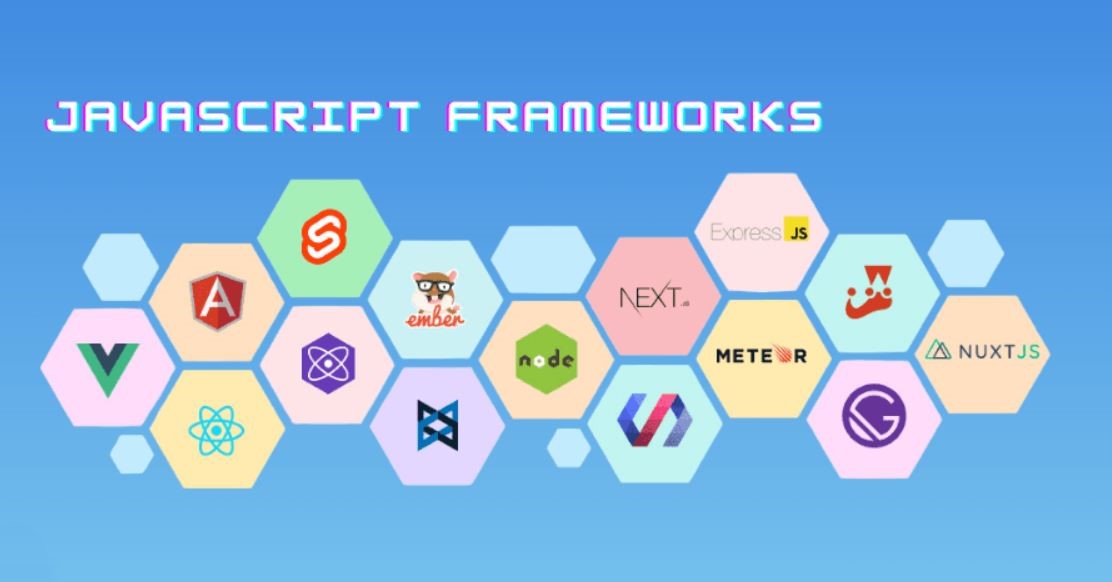
In late 2025, the JavaScript framework landscape is a multi-polar world. React remains the dominant market leader, but Svelte is the clear winner in developer satisfaction and performance. Vue holds a strong position with its progressive approach, while Angular continues to be a go-to for large enterprises.
React: The Reigning King 👑
Status: By a large margin, React (especially when paired with its meta-framework, Next.js) is still the most popular and in-demand framework. Its massive ecosystem and corporate backing from Meta give it unparalleled stability and a vast talent pool.
Current Focus: The ecosystem has fully embraced React Server Components, pushing the framework towards a more efficient, server-centric hybrid model for building applications.
Sentiment: While it remains the industry standard, some developers express “React fatigue” due to its complexity and are looking toward newer, simpler alternatives.
Svelte: The Developer Favorite ❤️
Status: Svelte continues to be the fastest-growing framework in terms of developer interest and consistently wins “most-loved” in developer satisfaction surveys. Its compiler-first approach is widely seen as a benchmark for performance.
Current Focus: The Svelte 5 release has been a major success, with its new “Runes” feature making its reactivity model even more powerful and intuitive.
Sentiment: Overwhelmingly positive. Developers praise its simplicity, exceptional performance, and reduced boilerplate. Companies like IKEA and The New York Times have adopted it for performance-critical projects.
Vue: The Progressive Choice ✨
Status: Vue maintains a strong, stable position as a pragmatic and versatile choice. It is especially popular for its gentle learning curve and excellent documentation, making it ideal for small to medium-sized teams.
Current Focus: The Vue 3 ecosystem is fully mature, with the Composition API established as the standard way to build scalable and maintainable components.
Sentiment: Vue’s community remains loyal and enthusiastic. It is respected as a balanced framework that combines flexibility with structure.
Angular: The Enterprise Titan 🏢
Status: Angular remains a dominant force in enterprise environments, particularly for large-scale, complex applications that require long-term support and a comprehensive framework.
Current Focus: Recent releases have focused on modernization and performance improvements, including the introduction of Signals for fine-grained reactivity and faster build processes.
Sentiment: Angular is respected for its robustness and scalability but is often considered more opinionated and complex compared to its competitors.