Having multiple accounts for the same service can create unnecessary complications, including confusion, fragmented data, and increased security risks. Duplicate or unused accounts are more …
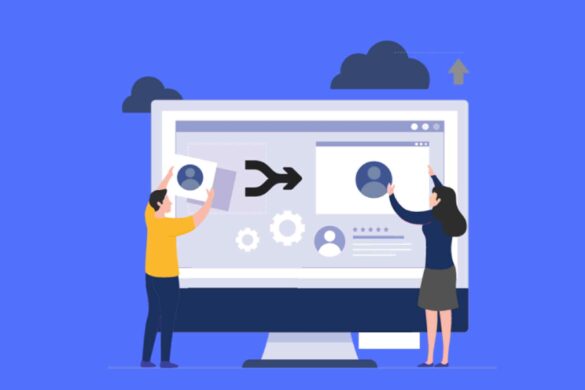
Having multiple accounts for the same service can create unnecessary complications, including confusion, fragmented data, and increased security risks. Duplicate or unused accounts are more …
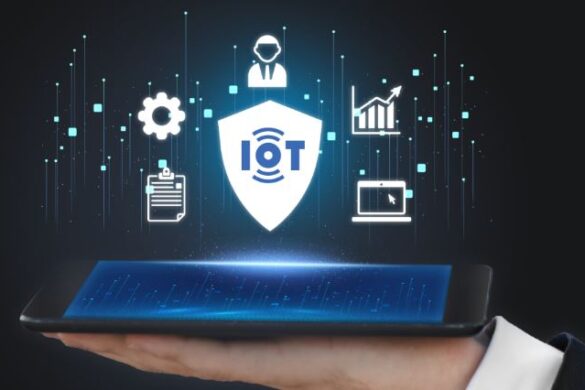
The Internet of Things (IoT) represents a major technological evolution, allowing interconnected devices to communicate, collect data, and operate with minimal human intervention. From smart …
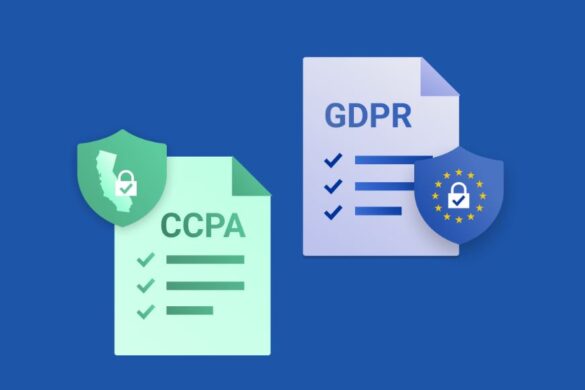
With rapid technological advancements, cyber threats continue to evolve, requiring the adoption of modern strategies and cutting-edge technologies in cybersecurity. This article explores the latest …
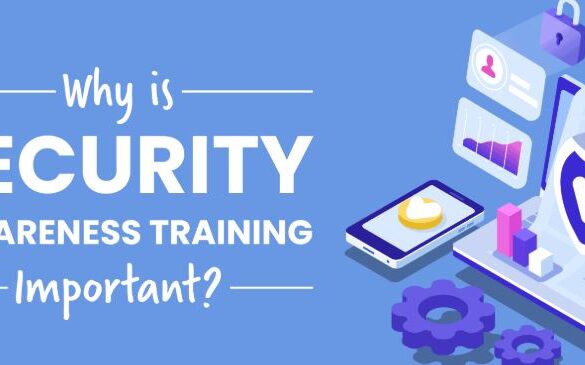
In today’s digital landscape, individuals and organizations face an increasing number of cyber threats that can lead to severe consequences. Security awareness plays a crucial …
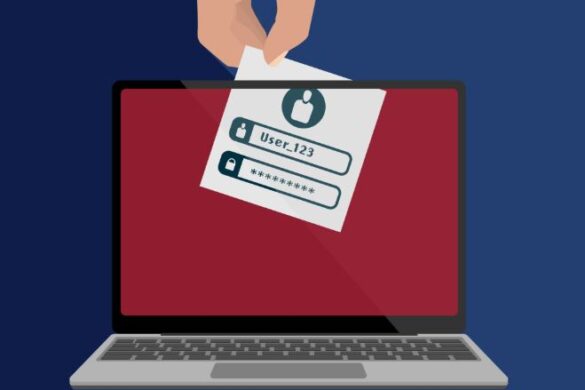
With the increasing frequency of cyberattacks and large-scale data breaches, millions of passwords are exposed on the internet every year. When a password is leaked, …
Why Protecting Your Email Account is Important Email accounts contain a significant amount of sensitive personal and professional information, including private messages, attachments, account notifications, …
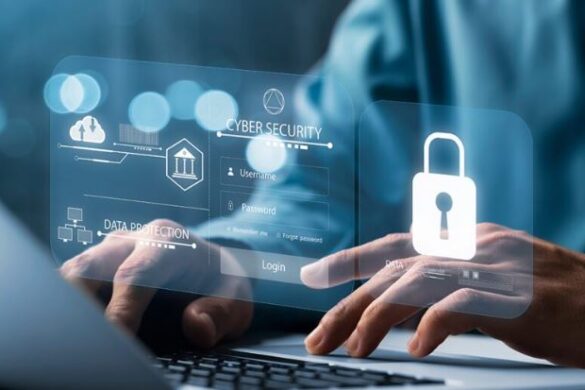
With the growing dependence on the internet in everyday activities, protecting personal data has become more important than ever. In the absence of proper security …
How to Set Up Emergency Recovery Codes for Your Accounts Losing access to your accounts can be a nightmare, especially when two-factor authentication (2FA) is …
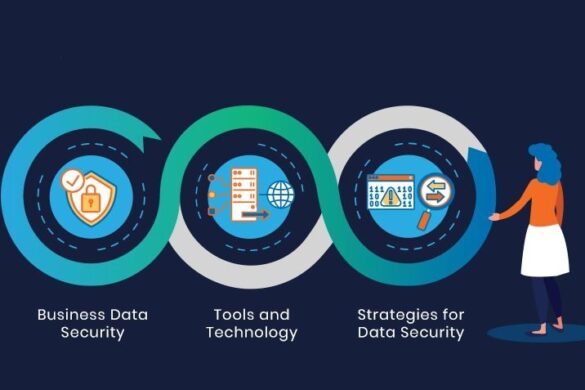
Why Is Information Security Important for Beginners? In today’s digital environment, information security is a fundamental skill, especially for beginners who are just starting to …
In today’s fast-paced digital environment, Cyber Asset Attack Surface Management (CAASM) has emerged as a critical capability for maintaining the security and resilience of modern …