What is social engineering in cybersecurity is a foundational question for understanding how most modern cyber attacks actually begin. While many people associate cyber threats with malware or hacking tools, social engineering focuses on manipulating human behavior to gain access, information, or actions that systems are designed to allow.
In today’s threat landscape, social engineering is not a secondary technique—it is often the primary attack vector. This updated definition explains what social engineering means in cybersecurity, how it differs from technical attacks, and why it remains effective across industries and skill levels.
Quick Navigation
Defining Social Engineering in Cybersecurity
Social engineering in cybersecurity refers to a set of attack techniques that exploit human psychology rather than technical vulnerabilities.
Instead of breaking software, social engineering attacks:
-
Manipulate trust and familiarity
-
Abuse authority or urgency
-
Exploit routine behavior and assumptions
The attacker’s goal is to convince a person to do something unsafe—such as sharing credentials, approving access, or bypassing normal procedures.
How Social Engineering Differs From Traditional Cyber Attacks
Traditional cyber attacks target systems. Social engineering targets decisions.
Key differences include:
-
No malware or exploits are required
-
Actions appear legitimate to security tools
-
The victim participates willingly
This distinction explains why social engineering is so difficult to block using purely technical controls.
Common Forms of Social Engineering Attacks
Social engineering takes many forms, including:
-
Phishing and credential harvesting
-
Impersonation of colleagues or support staff
-
Urgent requests tied to authority
-
Manipulation through trust or fear
Real-world scenarios are explored further in Real-World Social Engineering Examples Explained Simply
Why Social Engineering Is So Effective in Cybersecurity
Social engineering succeeds because it aligns with how people work.
It leverages:
-
Time pressure
-
Desire to be helpful
-
Trust in familiar context
-
Fear of negative consequences
These human factors are explored in depth in The Psychology Behind Social Engineering Attacks and explain why even trained users can be deceived.
Why Social Engineering Attacks Are More Effective Than Malware
The Role of Context in Modern Social Engineering
Modern social engineering rarely looks random.
Attackers tailor messages using:
-
Workplace language
-
Ongoing projects or events
-
Known relationships or hierarchies
This contextual manipulation makes attacks feel routine rather than suspicious.
Social Engineering Across Digital Channels
Social engineering is not limited to email.
It appears across:
-
Phone calls and voice messages
-
SMS and messaging apps
-
Video calls and collaboration tools
-
Social media platforms
This multi-channel presence is why social engineering remains persistent and adaptable.
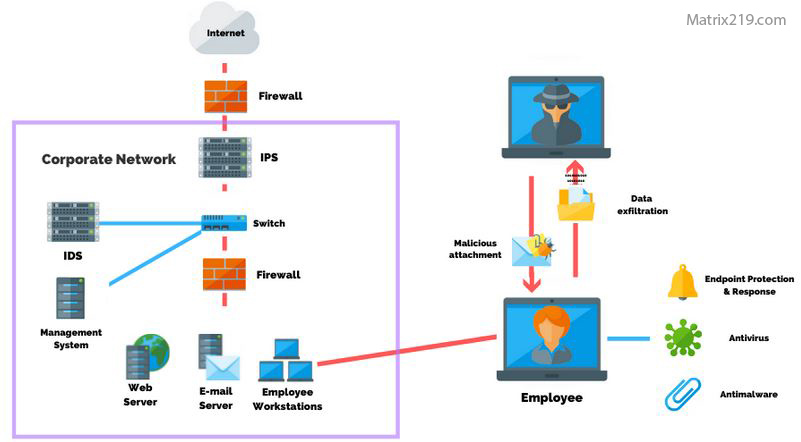
Why Social Engineering Bypasses Security Controls
Most security systems are designed to allow legitimate behavior.
Social engineering bypasses controls by:
-
Using valid credentials
-
Triggering approved workflows
-
Avoiding malicious code entirely
This mechanism is explained further in How Social Engineering Attacks Bypass Technical Security
Who Is Targeted by Social Engineering Attacks?
Anyone who can make a decision is a potential target.
Common targets include:
-
Employees
-
Managers and executives
-
Customers and users
-
IT and support staff
Attackers choose targets based on access, not technical expertise.
Why Social Engineering Is Increasing, Not Declining
Despite better tools and awareness, social engineering continues to grow because:
-
It scales efficiently
-
It adapts quickly
-
It exploits unavoidable human behavior
This trend is discussed in broader context in Why Social Engineering Attacks Are More Effective Than Malware
External Reference on Social Engineering in Cybersecurity
Human-based attacks continue to be the dominant initial access method in breaches, a reality highlighted in Verizon Data Breach Investigations Report
Frequently Asked Questions (FAQ)
Is social engineering considered hacking?
No. It manipulates people rather than exploiting systems.
Does social engineering always involve phishing?
No. Phishing is one form, but many attacks use calls, messages, or impersonation.
Can social engineering be stopped completely?
No. It can be mitigated, detected, and contained—but not eliminated.
Are technical users less vulnerable?
Not necessarily. Authority and context often matter more than technical skill.
Why do attackers prefer social engineering?
Because it is effective, scalable, and bypasses advanced defenses.
Conclusion
Understanding what social engineering is in cybersecurity clarifies why so many breaches begin with a simple message, call, or request. Social engineering does not defeat security by force—it bypasses it by design, using trust and routine as entry points.
Recognizing social engineering as a core cyber threat is the first step toward building defenses that account for human decision-making, not just technical vulnerabilities.