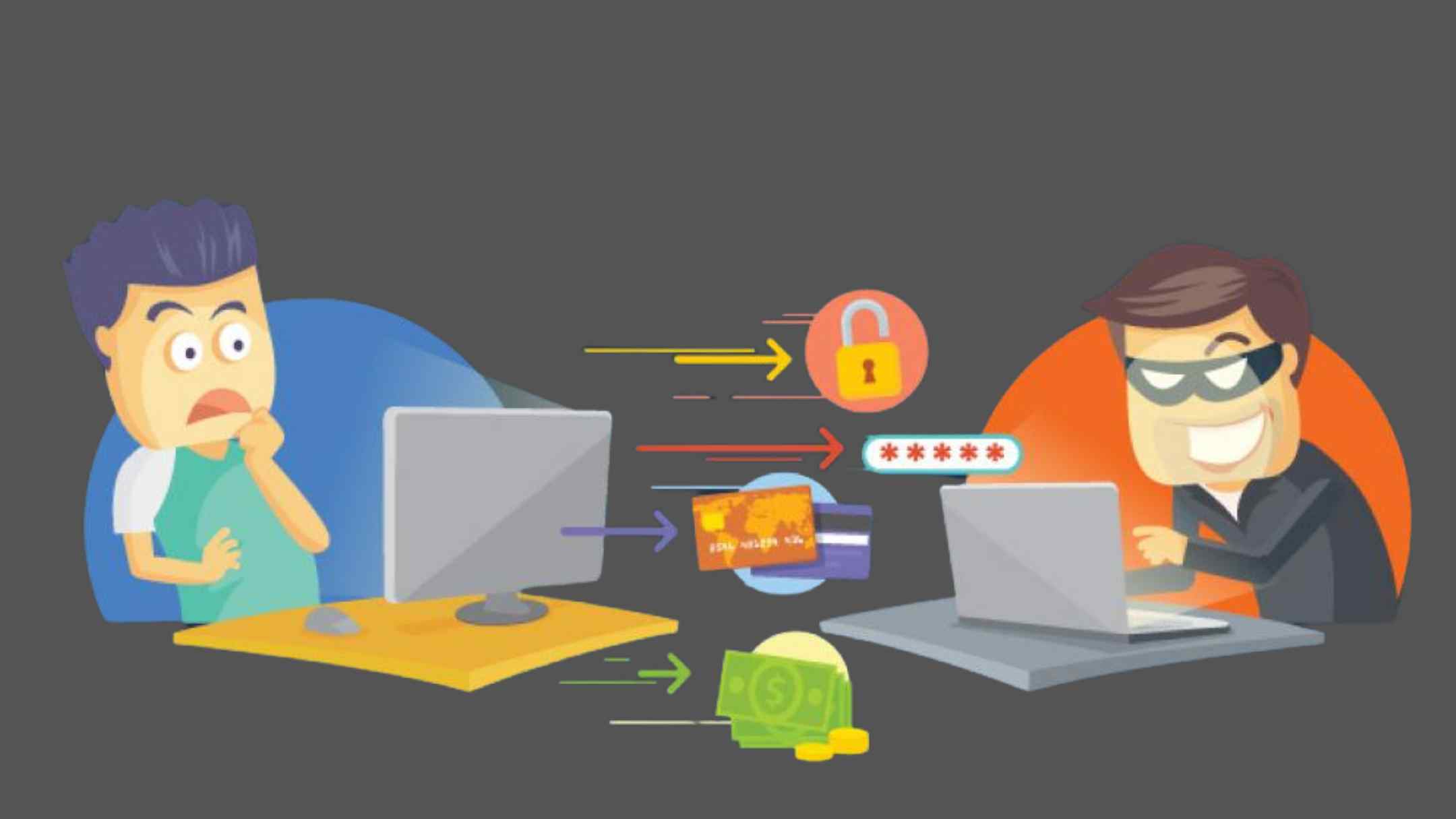
Identity theft is one of the biggest threats in today’s digital world. Hackers and cybercriminals can steal your personal information, financial details, or even your entire identity to commit fraud. In this guide, we’ll show you how to protect yourself from identity theft online and keep your personal data secure.
What Is Identity Theft?
Identity theft occurs when someone steals your personal information (such as your name, address, passwords, or banking details) and uses it for fraudulent activities like:
- Opening bank accounts or credit cards in your name
- Making unauthorized purchases
- Committing tax fraud or applying for loans
- Hacking your social media or email accounts
The best defense against identity theft is prevention. Follow these steps to stay safe online.
10 Essential Tips to Prevent Identity Theft
1. Use Strong & Unique Passwords
Never reuse the same password across multiple accounts. Create long, complex passwords with a mix of letters, numbers, and symbols. Use a password manager to generate and store secure credentials.
Tip: Enable multi-factor authentication (2FA) wherever possible for an additional security layer.
2. Beware of Phishing Scams
Cybercriminals use fake emails, messages, and websites to trick users into revealing sensitive information.
- Never click suspicious links or attachments.
- Check the sender’s email domain carefully.
- Verify urgent requests directly with the company.
Tip: Legitimate organizations will never ask for your password via email.
3. Secure Your Social Media Accounts
Limit the amount of personal data visible on your profiles.
- Set accounts to private.
- Avoid sharing your full birthdate, address, or phone number.
- Enable login alerts.
Tip: If an account is compromised, change your password immediately and report the breach.
4. Monitor Your Financial Accounts
Regularly review bank and credit card statements to detect suspicious transactions early.
- Enable real-time transaction alerts.
- Report unauthorized charges immediately.
- Use virtual cards for online purchases when available.
Tip: Consider freezing your credit report if you are not actively applying for credit.
5. Avoid Public Wi-Fi for Sensitive Transactions
Public Wi-Fi networks can expose your data to interception.
- Never enter banking or password information on public networks.
- Use a VPN (Virtual Private Network) for encrypted connections.
- Disable automatic Wi-Fi connections.
6. Keep Your Devices Updated
Outdated software often contains exploitable vulnerabilities.
- Install security updates promptly.
- Use firewall and anti-malware tools.
- Enable automatic updates.
Tip: Use a separate administrator account to reduce system-level exposure.
7. Be Cautious with Online Shopping
Fake e-commerce sites are commonly used to steal payment data.
- Shop only from trusted HTTPS websites.
- Avoid unrealistic discount offers.
- Use payment intermediaries like PayPal instead of direct card entry when possible.
Tip: Avoid saving card details on retail websites.
8. Shred Sensitive Documents
Identity theft can occur offline through discarded paperwork.
- Shred bank statements and bills before disposal.
- Store passports and official documents in a secure location.
Tip: Opt for paperless billing to reduce physical exposure.
9. Check for Data Breaches Regularly
Companies can suffer breaches that expose your login credentials.
- Use Have I Been Pwned to check for leaked email addresses.
- Change compromised passwords immediately.
- Enable recovery options like backup emails.
Tip: Unique passwords limit the impact of a single breach.
10. Be Skeptical of Unexpected Calls & Messages
Scammers impersonate banks, government agencies, and tech support services.
- Hang up and call official numbers directly.
- Never share OTP codes, passwords, or PINs.
- Avoid clicking SMS or messaging app links from unknown numbers.
Tip: Use caller ID filtering apps to reduce spam exposure.
What to Do If Your Identity Is Stolen?
Act immediately:
- Change passwords for critical accounts.
- Contact your bank to report fraud.
- Freeze your credit file.
- Report identity theft to authorities (e.g., the FTC for U.S. residents).
- Continuously monitor financial activity.
Final Thoughts
Identity theft is a serious but preventable risk. By combining strong authentication, cautious online behavior, financial monitoring, and proactive security measures, you significantly reduce your exposure to fraud.
Stay vigilant. Stay secure.
Have you ever dealt with identity theft? Share your experience in the comments.