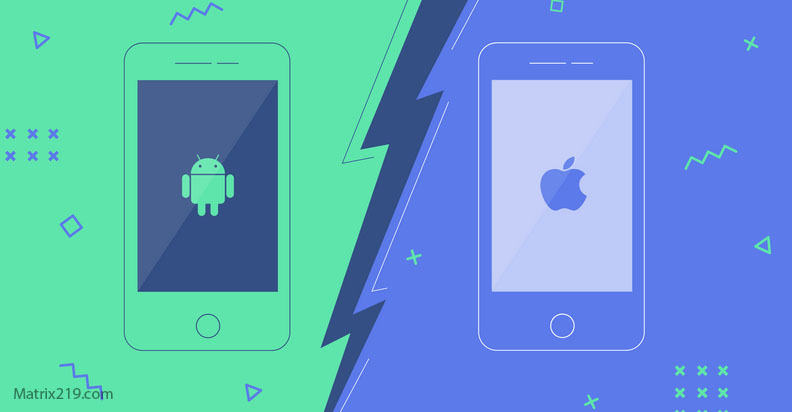
Android vs iPhone Spyware is a comparison many users rely on when choosing a phone for privacy, often assuming one platform is inherently “safe” and the other is not. In reality, both platforms face mobile surveillance risks—but in very different ways.
The differences are not about which system is perfect, but about how spyware operates, what access is possible, and where users have control. Understanding these differences helps users make informed decisions instead of relying on brand reputation or myths.
This article compares Android and iPhone spyware risks, attack methods, and realistic protection strategies for each platform.
Android Spyware Risk Landscape
Android offers greater flexibility in app installation and system access. This openness increases customization—but also expands the attack surface.
Spyware on Android often relies on sideloaded apps, abused permissions, accessibility services, and device admin privileges. Physical access installation is common, and many stalkerware apps explicitly target Android devices.
Because Android allows deeper system interaction, consumer-grade spyware is easier to deploy and harder to notice when users are not vigilant.
iPhone Spyware Risk Landscape
iPhones operate within a more restrictive ecosystem. App installation is tightly controlled, and system permissions are more limited by design.
However, iPhone spyware still exists. Surveillance may occur through configuration profiles, enterprise certificates, cloud account compromise, or exploited vulnerabilities. Some advanced spyware targets iOS specifically due to the value of iPhone users.
While casual stalkerware is less common on iPhones, high-end surveillance tools are more likely to focus on iOS targets.
App Installation and Permission Control
Android users can install apps from multiple sources, which increases exposure to malicious software. Permission prompts may also be broader, making abuse easier.
iPhone users are more restricted, but once permissions are granted, users often assume safety and stop auditing access.
Both platforms rely heavily on user decisions rather than purely technical barriers.
System Transparency and Detection
Android provides more visibility into installed apps, permissions, and system behavior. This makes manual audits easier—but only if users know what to look for.
iOS prioritizes simplicity over transparency. While this reduces accidental exposure, it also makes deep inspection harder without specialized tools.
Detection difficulty differs, not detection possibility.
Role of Physical Access
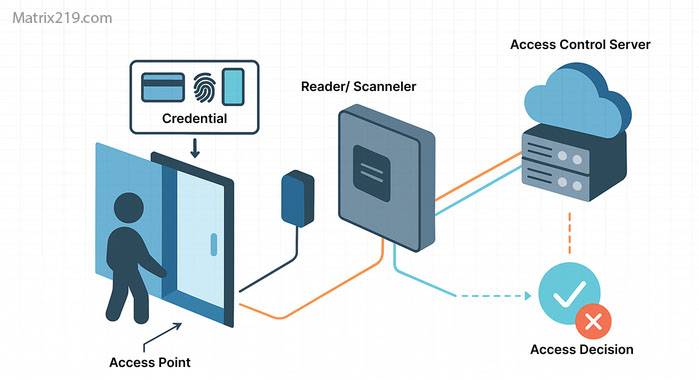
Physical access is dangerous on both platforms. On Android, it often leads to direct spyware installation. On iPhones, it may enable profile installation, account compromise, or backup manipulation.
No operating system can protect a device that is unlocked and unattended.
Physical security remains one of the most critical—and overlooked—defenses.
Role of Physical Access
Cloud and Account-Based Surveillance
Both Android and iPhone ecosystems rely heavily on cloud services. Access to the main account can expose messages, backups, photos, and location history without installing spyware on the device itself.
Account compromise often mimics spyware symptoms while bypassing device-level protections entirely.
Understanding this risk shifts focus beyond the phone itself.
Which Platform Is Safer?
Neither platform is immune. Android faces higher risk from consumer spyware and stalkerware. iPhones face higher risk from targeted, high-end surveillance and account-based compromise.
Safety depends more on usage patterns, threat model, and habits than on operating system choice alone.
Choosing Based on Risk Profile
Users in low-risk environments may prioritize convenience and awareness. High-risk individuals should consider platform behavior, update practices, and control boundaries carefully.
The right choice depends on who might want your data and how much effort they are willing to invest.
Practical Protection on Both Platforms
Regardless of platform, limiting app installs, auditing permissions, securing accounts, and controlling physical access provide the strongest protection.
Operating system choice influences how surveillance happens, not whether it is possible.
For foundational protection strategies, see: Mobile Privacy & Spyware Detection: How to Protect Your Phone from Surveillance (2026)
FAQ
Is Android less secure than iPhone?
No. It is more flexible, which increases responsibility.
Can iPhones be hacked by spyware?
Yes, especially through accounts or advanced exploits.
Is stalkerware more common on Android?
Yes, due to installation flexibility.
Does choosing iPhone guarantee privacy?
No. Behavior and account security matter more.
Which platform is better for privacy beginners?
iPhone offers safer defaults, but awareness is still required.