Searching for an antivirus free download in 2026 is riskier than most people realize. The phrase itself attracts scammers, fake installers, and “security” tools that do the opposite of what they promise. Many infections today don’t start with malware exploits—they start with users trying to protect themselves and clicking the wrong download button.
The core problem is trust. Legitimate antivirus vendors do offer free versions, but they’re surrounded online by cloned websites, repackaged installers, and aggressive download portals. In 2026, knowing where and how to download free antivirus software is just as important as choosing the product itself.
This guide explains what a safe antivirus download looks like today, where most users go wrong, and how to avoid turning a security decision into a security incident.
Quick Navigation
Why “antivirus free download” is a high-risk search
Attackers love this keyword because:
-
Users are already worried and less cautious
-
Many expect ads and popups during downloads
-
Fake antivirus tools look convincing
Malicious actors exploit urgency and confusion, not technical weaknesses. That’s why download safety deserves its own attention.
For the full framework on choosing protection first, start here: best free antivirus in 2026
What a safe antivirus download looks like in 2026
A legitimate free antivirus download usually has:
-
An official vendor domain (not a mirror or wrapper site)
-
Clear product naming (free vs trial vs premium)
-
Transparent system requirements
-
No forced registration before download
If the page pushes urgency, countdowns, or “your device is infected” warnings, it’s not a safe source.
Official vendor sites vs download portals
There’s a critical difference:
-
Official vendor sites provide clean, direct installers
-
Download portals often repackage files with adware
Even well-known portals may bundle:
-
Browser toolbars
-
System optimizers
-
Tracking components
In 2026, avoiding third-party download sites is one of the easiest ways to reduce risk.
Common red flags during antivirus downloads
Stop immediately if you see:
-
Multiple “Download” buttons with different file sizes
-
Requests to install a “download manager” first
-
Forced browser extensions
-
Antivirus installers bundled with cleaners or VPNs
These are not normal for reputable security vendors.
Free vs trial: a common source of confusion
Many users think they downloaded a free antivirus, but actually installed:
-
A time-limited trial
-
A freemium product with heavy upgrade pressure
This isn’t always malicious, but it causes frustration and mistrust. Legitimate free antivirus tools clearly label what’s included and what’s not.
For a deeper comparison: Free Antivirus Download vs Paid: Real Differences
Operating system matters when downloading antivirus
Safe downloads are also platform-specific:
-
Windows users face the highest risk of fake installers
-
Android users encounter malicious APK files
-
iOS users are mostly exposed to misleading app descriptions
Never download antivirus software that doesn’t clearly state which operating system it supports.
For platform-specific guidance:
Best Free Antivirus for Windows 11 in 2026
Best Free Antivirus for Android Phones
Why cracked or “modded” antivirus is dangerous
Some users look for:
-
“Unlocked” premium antivirus
-
Modified installers without ads
This is extremely risky because:
-
Antivirus software runs with deep system permissions
-
Modified versions can spy, backdoor, or disable protection
Installing cracked security software is worse than having none at all.
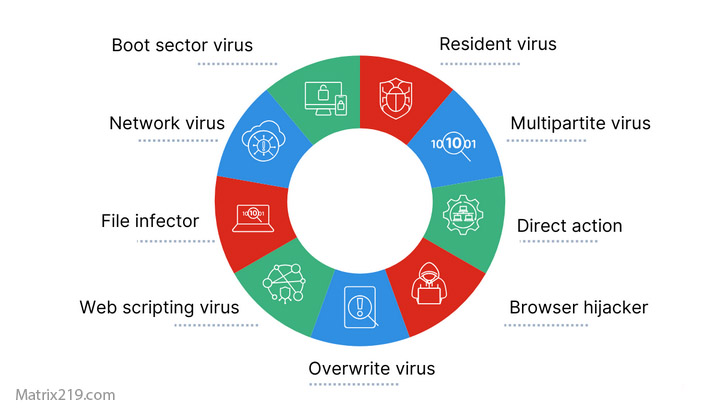
Why cracked or modded antivirus is dangerous
Safe installation practices after download
Even a legitimate installer can cause issues if handled poorly:
-
Always choose custom installation when available
-
Decline optional offers
-
Review permissions carefully
-
Restart the system if prompted
Most unwanted software is installed because users click “Next” too quickly.
When free antivirus downloads are actually safe
Downloading free antivirus is generally safe if:
-
You use official vendor websites
-
You understand feature limitations
-
You avoid “too good to be true” promises
Free doesn’t mean fake—but unsafe sources make it dangerous.
Final thoughts
In 2026, the biggest threat around free antivirus isn’t the software—it’s the download path. Reputable vendors still offer safe, effective free protection, but only when users avoid shortcuts and shady sources. Treat antivirus downloads with the same caution you’d use for financial or system tools.
For a complete, platform-by-platform safety guide, return to: best free antivirus in 2026
FAQ
Is it safe to Google “antivirus free download”?
It can be, but results often include fake or repackaged installers. Stick to official vendor sites.
Are download portals always unsafe?
Not always, but they carry higher risk due to bundled software and ads.
Do free antivirus downloads include malware?
Legitimate ones don’t. Fake or modified installers often do.
Should antivirus require registration to download?
Some do, but forcing registration before download is a red flag.
Is downloading antivirus from ads risky?
Yes. Ads are commonly used to distribute fake security tools.