Choosing the best free antivirus in 2026 isn’t about grabbing the first “free download” button you see anymore. The threat landscape has changed: ransomware-as-a-service, AI-powered phishing, zero-day exploits, and malicious browser extensions are now everyday risks. At the same time, operating systems claim they’re “secure by default,” which leaves many users wondering whether free antivirus tools are still necessary—or even safe.
This guide exists because that confusion is real. Some free antivirus programs genuinely protect users with modern detection engines and responsible data practices. Others exist mainly to upsell, harvest data, or slow your system to a crawl. In 2026, the difference matters more than ever.
Here, you’ll find a clear, experience-driven breakdown of what free antivirus software can and cannot do today. We’ll look at real-world protection, performance impact, system compatibility, and safe download practices—without hype or scare tactics. Whether you’re on Windows, Android, or just trying to keep an older PC alive, this article gives you the context needed to make a smart, low-risk choice.
Quick Navigation
Why antivirus software still matters in 2026
Modern operating systems have improved security, but that doesn’t eliminate the need for layered protection. Built-in defenses focus mainly on known threats and system integrity, while attackers focus on behavior, timing, and user mistakes.
Free antivirus tools still matter because they:
-
Detect malicious behavior beyond signature databases
-
Add web, email, and download protection layers
-
Provide visibility into threats users would otherwise miss
For non-technical users, this extra layer often makes the difference between a blocked attack and a compromised system.
How free antivirus software works today
Unlike older versions that relied heavily on virus signatures, modern free antivirus solutions use a mix of:
-
Behavioral analysis to detect suspicious activity
-
Cloud-based threat intelligence updated in real time
-
Heuristic engines that flag unknown or modified malware
The key limitation is scope, not core detection. Most free tools protect against common and mid-level threats but exclude advanced features like firewalls, sandboxing, or ransomware rollback.
Is free antivirus safe to use in 2026?
Safety depends on the provider’s business model and transparency. Reputable free antivirus software is generally safe when:
-
It comes from an established security vendor
-
The privacy policy clearly states data usage
-
Ads are limited to in-app notifications, not injected content
Risk appears when software bundles installers, redirects downloads, or aggressively pushes browser extensions. That’s why choosing the source matters as much as choosing the product.
For a deeper risk analysis, see: Is Free Antivirus Safe in 2026?
Free antivirus vs built-in system protection
Built-in protections like Windows’ native security tools have improved significantly. However, they’re designed to be generalist defenses.
Free antivirus software can still offer advantages:
-
Faster reaction to emerging threats via vendor clouds
-
Better phishing and malicious URL detection
-
More granular alerts and control
In practice, combining system security with a lightweight free antivirus often provides better coverage than relying on defaults alone.
Performance impact on modern and low-end devices
Performance is one of the biggest concerns users have with free antivirus tools. In 2026:
-
Lightweight solutions use cloud scanning to reduce CPU load
-
Older systems benefit from minimal background services
-
Poorly optimized tools still exist and can slow boot times
Choosing the right antivirus for your hardware matters more than choosing the most “feature-rich” one.
If performance is your main concern: Best Free Antivirus for PC (Low-End Devices)
Platform-specific expectations
Free antivirus protection varies significantly by platform:
-
Windows systems benefit the most from third-party tools
-
Android devices need protection mainly from malicious apps and links
-
iOS relies more on system sandboxing than traditional antivirus
Understanding these differences prevents unrealistic expectations and unnecessary installs.
Related deep dives:
Best Free Antivirus for Windows 11 in 2026
Best Free Antivirus for Android Phones
Safe download practices for free antivirus tools
The most dangerous moment is often installation, not usage. In 2026, safe download rules are simple:
-
Download only from official vendor sites
-
Avoid “download portals” that repackage installers
-
Skip optional offers during setup
Never search blindly for installers. Many “free antivirus download” pages exist solely to distribute adware or fake security tools.
For a practical checklist: Antivirus Free Download: What’s Safe in 2026?
What free antivirus tools cannot protect you from
No free antivirus offers complete protection. Limitations usually include:
-
No advanced ransomware recovery
-
Limited protection against targeted attacks
-
No dedicated firewall or network monitoring
Security still depends on user behavior, updates, and basic cyber hygiene. Antivirus software is a safety net, not a replacement for awareness.
Privacy, data collection, and monetization
Free antivirus tools must generate revenue somehow. Common methods include:
-
Aggregated, anonymized threat data collection
-
Upgrade prompts and premium feature limits
-
Usage statistics for product improvement
Problems arise only when data practices are vague or excessive. Transparency is the line between acceptable and exploitative.
For a full breakdown: How Free Antivirus Makes Money
When free antivirus is enough—and when it isn’t
Free antivirus is usually sufficient if:
-
You’re a home user with standard browsing habits
-
Your system is updated regularly
-
You avoid high-risk downloads and email attachments
Paid solutions make more sense for:
-
Business environments
-
High-value targets
-
Users needing advanced ransomware or identity protection
Understanding this boundary prevents false confidence.
The future of free antivirus protection
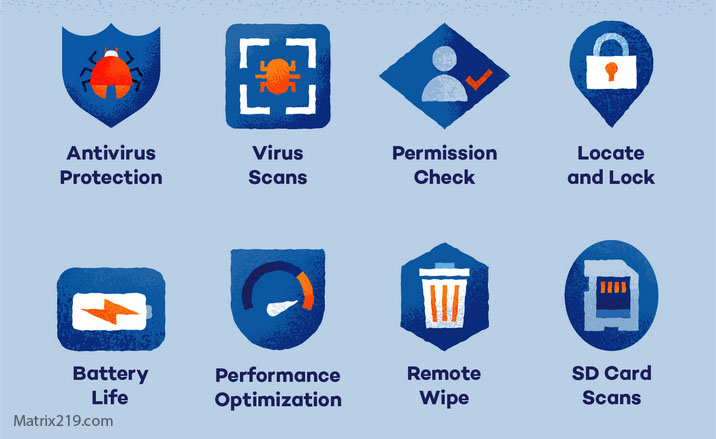
Looking ahead, free antivirus tools are evolving toward:
-
AI-driven behavioral detection
-
Cloud-first security models
-
Integration with operating system defenses
Traditional signature-based scanning is fading, replaced by adaptive models that react faster but rely more on cloud infrastructure.
A future-focused perspective: Best Free Antivirus Using AI in 2026
The future of free antivirus protection
Final verdict
Free antivirus software still has a real place in 2026—but only when chosen carefully. The best options focus on protection first, performance second, and monetization last. If you understand the limitations, download responsibly, and pair antivirus tools with good digital habits, free protection can be both safe and effective.
For an updated comparison and hands-on evaluations, consult a trusted independent testing organization such as: AV-TEST independent antivirus evaluations
FAQ
Do I really need antivirus software in 2026?
Yes, especially on Windows and Android. Built-in protections help, but they don’t fully cover phishing, malicious downloads, or user-driven attacks.
Is free antivirus enough for ransomware protection?
Free tools can block many ransomware threats, but they usually lack recovery and rollback features. Prevention is good; damage control is limited.
Can free antivirus slow down my computer?
Well-optimized tools have minimal impact. Poorly designed or ad-heavy solutions can noticeably affect performance, especially on older PCs.
Are antivirus apps necessary on smartphones?
On Android, yes—mainly for app and link scanning. On iOS, traditional antivirus apps offer limited protection due to system restrictions.
How can I tell if an antivirus program is fake?
Red flags include forced browser redirects, aggressive ads, unclear privacy policies, and installers that bundle unrelated software.
Is Windows’ built-in protection enough on its own?
It’s decent for basic threats, but combining it with a reputable free antivirus can improve coverage and visibility.