The question can free antivirus stop ransomware is one of the most urgent security concerns in 2026. Ransomware is no longer rare or limited to large companies—it targets home users, gamers, freelancers, and small businesses alike. One wrong click can lock personal photos, work files, or entire systems in seconds.
Free antivirus tools promise protection, but ransomware attacks are fast, adaptive, and often user-triggered. That creates uncertainty: is free protection enough to stop ransomware before damage happens, or does it only help after it’s too late?
This article explains how ransomware attacks actually work today, what free antivirus can realistically block, and where its protection ends—so you can make informed decisions without false confidence.
For the complete protection framework: best free antivirus in 2026
Quick Navigation
How ransomware attacks work in 2026
Modern ransomware rarely spreads like old-school viruses. Common entry points include:
-
Phishing emails with malicious attachments
-
Fake software updates or installers
-
Cracked software and game mods
-
Malicious ads and compromised websites
Once executed, ransomware encrypts files quickly—often before users realize anything is wrong.
What free antivirus can stop effectively
Reputable free antivirus tools are good at stopping:
-
Known ransomware variants
-
Malicious installers and payloads
-
Suspicious file behavior during execution
-
Some early-stage encryption attempts
If ransomware is recognized early, free antivirus can block it before encryption completes.
Where free antivirus struggles with ransomware
Free antivirus usually falls short when:
-
Ransomware is brand-new or heavily obfuscated
-
The attack uses legitimate tools (living-off-the-land)
-
The user manually approves a dangerous file
-
Encryption starts before detection triggers
In these cases, blocking alone may not be enough.
Prevention vs recovery: the key limitation
This is the most important distinction:
-
Free antivirus focuses on prevention
-
Paid antivirus often includes recovery tools
If files are already encrypted:
-
Free antivirus usually cannot restore them
-
Paid solutions may offer rollback or backup recovery
Stopping ransomware after encryption starts is much harder than blocking it beforehand.
Behavioral detection: how much does it help?
Modern free antivirus tools use:
-
Behavioral monitoring
-
Heuristic detection
-
Cloud intelligence
These techniques improve early detection—but they’re not perfect. Some ransomware encrypts files very quickly or hides inside trusted processes.
The role of backups in ransomware defense
Antivirus alone is not enough. The strongest protection against ransomware includes:
-
Regular offline or cloud backups
-
Versioned file history
-
Limited admin privileges
Backups turn ransomware from a disaster into an inconvenience—something antivirus alone can’t guarantee.
Free antivirus vs paid tools for ransomware
Paid security tools often add:
-
Ransomware-specific behavior shields
-
File rollback or shadow copy protection
-
Protected folders and application whitelisting
Free antivirus lacks these advanced layers but still reduces the chance of initial infection.
For a direct comparison: Free Antivirus Download vs Paid: Real Differences
Built-in system defenses matter too
Operating systems now include:
-
Controlled folder access
-
Exploit mitigation
-
Basic ransomware safeguards
Free antivirus works best alongside these features—not as a replacement.
For Windows users: Free Antivirus vs Windows Defender in 2026
When free antivirus is enough against ransomware
Free antivirus may be enough if:
-
You don’t download cracked software
-
You avoid email attachments from unknown sources
-
You keep your system updated
-
You maintain reliable backups
In this setup, ransomware risk drops significantly.
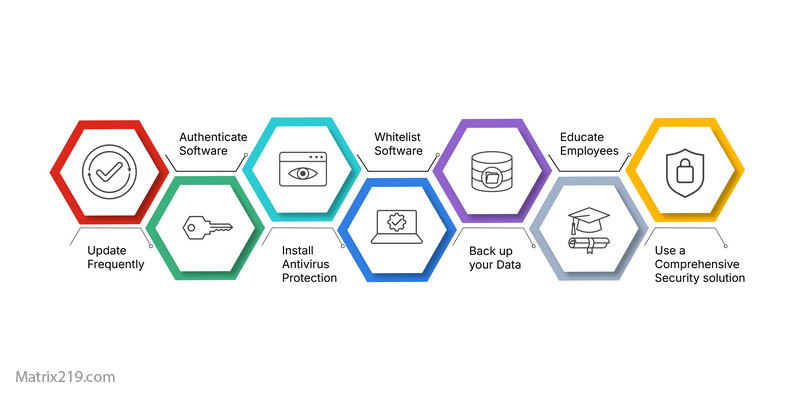
When free antivirus is enough against ransomware
When free antivirus is not enough
Free antivirus alone is risky if:
-
You handle critical or irreplaceable data
-
You frequently download third-party tools
-
You reuse passwords across services
-
You don’t have backups
Here, layered protection or paid tools make sense.
Final answer
So, can free antivirus stop ransomware in 2026?
Yes—it can stop many ransomware attacks before they execute. But it cannot guarantee recovery if encryption succeeds. Free antivirus is a strong preventive layer, not a full ransomware defense strategy. True protection requires backups, system security features, and cautious user behavior.
For the complete guide on choosing safe, realistic free protection, revisit: best free antivirus in 2026
FAQ
Can free antivirus detect ransomware early?
Often yes, especially known variants—but early detection is not guaranteed.
Can free antivirus decrypt files after an attack?
No. Decryption and rollback are usually paid features.
Is ransomware protection included in free antivirus?
Basic protection is included, but advanced ransomware shields are limited.
Are backups more important than antivirus for ransomware?
Yes. Backups are the only reliable recovery method.
Does Windows built-in security help against ransomware?
Yes, but it’s most effective when combined with antivirus and backups.