Can ransomware affect power infrastructure is a question that has gained urgency as ransomware incidents continue to disrupt hospitals, municipalities, and major enterprises worldwide. While ransomware is often associated with data encryption and financial extortion, its potential impact on power infrastructure raises deeper concerns about service continuity and public safety.
The short answer is yes—ransomware can affect power infrastructure, but not always in the way people imagine. Most incidents do not involve attackers directly shutting off electricity. Instead, ransomware disrupts the systems that support operations, creating indirect but serious consequences. This article explains how ransomware interacts with power infrastructure, where the real risks lie, and what limits its impact.
Quick Navigation
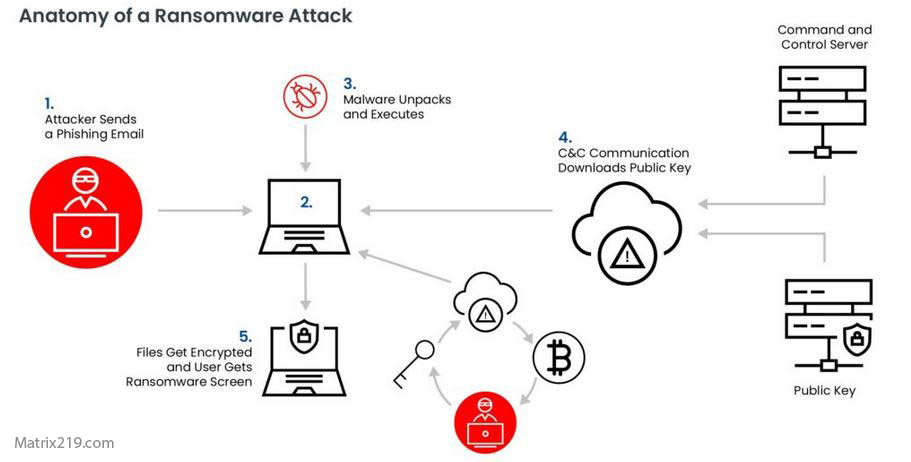
How Ransomware Typically Operates
Ransomware is designed to:
-
Encrypt data
-
Disrupt access to systems
-
Demand payment for restoration
In most cases, ransomware targets IT environments rather than operational control systems. However, power utilities rely heavily on IT systems to manage and support grid operations, expanding critical infrastructure cybersecurity risks
Where Ransomware Can Impact Power Utilities
Corporate IT Systems
Ransomware commonly affects:
-
Billing and customer service platforms
-
Workforce management systems
-
Internal communications
While these systems do not control electricity flow directly, their disruption can:
-
Delay operational decisions
-
Limit coordination during outages
-
Force precautionary shutdowns
Operational Support Systems
Some ransomware incidents spill into systems that:
-
Schedule maintenance
-
Monitor equipment health
-
Support grid management analytics
These systems often sit close to environments affected by industrial control system security failures
Can Ransomware Directly Shut Down the Grid?
Direct control of grid operations through ransomware is rare.
Reasons include:
-
OT systems are often segmented
-
Industrial protocols differ from IT systems
-
Safety mechanisms limit direct manipulation
However, indirect effects—such as disabling monitoring or forcing manual operation—can still increase outage risk.
This distinction is central to understanding power grid failure vs cyberattack
Why Utilities Sometimes Shut Systems Down Voluntarily
In some ransomware cases, utilities may:
-
Isolate systems to prevent spread
-
Shut down affected networks as a precaution
-
Switch to manual control modes
These actions can lead to service disruptions that appear externally as cyber-induced outages, even when electricity flow itself was not attacked.
Ransomware and Remote Access Exposure
Ransomware groups frequently exploit:
-
Exposed remote desktop services
-
Weak VPN configurations
-
Stolen credentials
These attack paths overlap significantly with remote access risks in energy infrastructure
can ransomware affect power infrastructure
Ransomware vs Nation-State Threats
Most ransomware groups are financially motivated, not politically driven.
However:
-
Some operate with implicit state tolerance
-
Others reuse tools associated with advanced actors
-
Overlaps complicate attribution
These dynamics contribute to cyberattack attribution challenges and sometimes fuel speculation about state-sponsored cyber operations explained
Real-World Impact of Ransomware on Power Infrastructure
When ransomware hits utilities, consequences often include:
-
Extended recovery times
-
Increased operational stress
-
Public concern and media scrutiny
Even without direct grid manipulation, the operational disruption can be significant.
Reducing Ransomware Risk in Power Environments
Effective mitigation includes:
-
Strong backup and recovery processes
-
Network segmentation between IT and OT
-
Strict access control and monitoring
-
Incident response plans that prioritize continuity
These measures align with critical infrastructure cyber defense strategies
Conclusion
Ransomware can affect power infrastructure, but its impact is usually indirect rather than catastrophic. By disrupting IT and support systems, ransomware increases operational risk and can contribute to outages under the wrong conditions.
Understanding how ransomware actually interacts with power environments helps separate realistic threats from exaggerated fears. In critical infrastructure, preparedness and resilience matter more than worst-case assumptions.