Are Email Password Recovery Hackers Legal or Safe?
Lost access to an email account can feel urgent and overwhelming.
That urgency is precisely what scammers exploit by advertising so-called “email password recovery hackers.”
In 2025, these claims continue to circulate across forums, social platforms, and private messages.
This article explains—clearly and factually—why such services are unsafe, illegal in many jurisdictions, and almost always fraudulent.
The purpose is awareness and risk reduction, not fear or promotion.
Quick Navigation
Email password recovery hacker claims: what is actually being promised
Understanding the claim itself is the first step toward evaluating its credibility.
The typical promise structure
Most offers follow a familiar pattern:
-
Guaranteed access recovery
-
No need for verification
-
Fast turnaround
-
“Ethical” or “white-hat” framing
These elements are designed to bypass skepticism rather than demonstrate legitimacy.
Why the promise sounds believable
Email systems are complex, and many users lack visibility into how authentication works.
This knowledge gap makes false technical claims easier to sell, especially during stressful situations.
Legal status of email account intrusion
The legality of accessing another person’s email account is not ambiguous.
Unauthorized access is a criminal offense
In most legal systems, accessing an email account without explicit authorization is classified as a cybercrime.
Consent cannot be retroactively granted through third parties.
This applies even if the account owner initiated the request.
Jurisdiction does not eliminate liability
Scammers often claim to operate “offshore” to avoid consequences.
However, enforcement increasingly relies on cross-border cooperation.
Understanding the legal framework of computer crime clarifies why these services cannot operate lawfully.
Technical reality: why these services cannot work
Beyond legality, the technical claims themselves are flawed.
Modern email security architecture
Email providers use layered defenses, including:
-
Encrypted credential storage
-
Multi-factor authentication
-
Behavioral anomaly detection
-
Device and location verification
These systems are not bypassed through simple scripts or manual intervention.
The myth of “backdoor access”
Major providers do not maintain secret access paths for third parties.
Claims of insider access or hidden tools contradict how security governance operates.
Recognizing these limitations is essential when evaluating email account security risks.
Common scam patterns used by fake recovery services
The majority of these offers follow predictable fraud patterns.
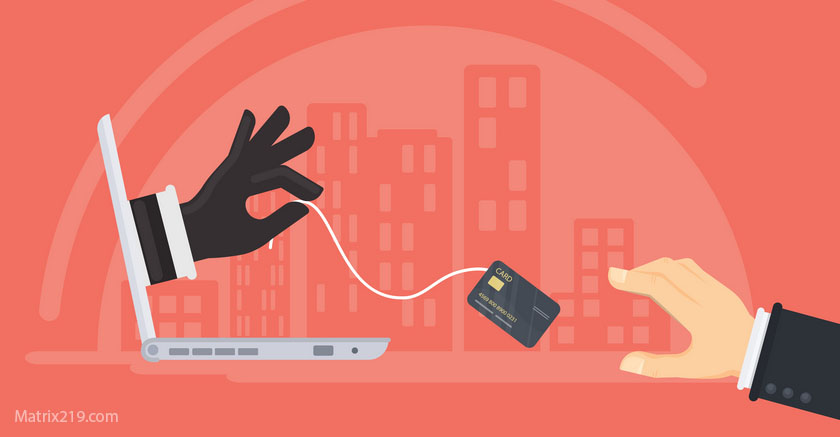
Advance payment fraud
Victims are often asked to pay upfront.
Once payment is made, communication stops or excuses escalate.
Data harvesting schemes
Some scammers request personal information under the guise of verification.
This data is later used for identity theft or further compromise.
These behaviors align with known online scam techniques documented across cybersecurity reports.

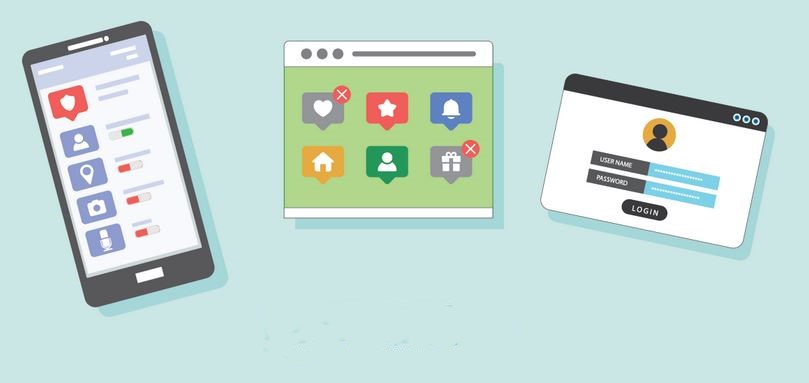
Cybersecurity concept illustrating email password recovery and login security risks
Risks beyond financial loss
The consequences extend beyond losing money.
Permanent account loss
Attempted unauthorized access can trigger security lockdowns.
This may permanently restrict legitimate recovery options.
Expanded digital exposure
Sharing personal details increases vulnerability across multiple platforms.
Email accounts often serve as recovery hubs for other services.
This interconnected risk is central to identity theft prevention planning.
Legitimate email recovery methods
There are safe and lawful alternatives.
Provider-supported recovery processes
Email providers offer official recovery workflows, including:
-
Identity verification
-
Backup authentication methods
-
Time-based recovery windows
These processes may be slower, but they preserve account integrity.
Professional support boundaries
No legitimate professional can bypass provider security on your behalf.
Any claim to do so should be treated as a red flag.
Understanding account recovery best practices reduces desperation-driven decisions.
Professional experience insight
In real-world cybersecurity incident reviews, a consistent pattern appears.
Users who engage with “recovery hackers” often lose both money and access permanently.
In contrast, those who follow official recovery channels—even after delays—retain long-term control and security.
The perception of speed offered by scammers trades short-term hope for long-term damage.
Why these services persist despite awareness
Scams adapt to human behavior.
Exploiting urgency and authority
Language emphasizing expertise, secrecy, or insider status creates false confidence.
Urgency suppresses critical evaluation.
Platform enforcement limitations
While platforms remove known scams, new variants appear continuously.
User education remains the most effective defense.
This dynamic highlight the importance of cybersecurity awareness at the individual level.
Ethical considerations and responsibility
Promoting or engaging such services has broader implications.
Harm amplification
Every successful scam funds future operations and expands victim reach.
Normalizing illegal behavior
Treating account intrusion as a service undermines trust in digital systems.
Security depends on collective adherence to lawful processes.
Frequently Asked Questions (FAQ)
Is hiring an email password recovery hacker legal?
No, unauthorized access is illegal in most jurisdictions.
Can hackers really recover lost email passwords?
No legitimate method exists outside official provider recovery systems.
What happens if I try a recovery hacker once?
You risk financial loss, data theft, and permanent account suspension.
How should I recover a hacked email account?
Use the provider’s official recovery and identity verification process.
Are any email recovery services legitimate?
Only services offered directly by the email provider are legitimate.