Searching for free antivirus that doesn’t sell your data in 2026 is a sign of healthy skepticism. Users are no longer worried only about malware—they’re worried about becoming the product. With rising awareness around tracking, profiling, and data resale, many people now ask a more important question: does my antivirus protect me, or profit from me?
The concern isn’t irrational. Security software runs with deep system access, sees files, processes, and sometimes browsing behavior. That level of visibility demands trust. The good news is that not all free antivirus tools monetize through data exploitation. Some rely on ethical, transparent models—but you need to know how to recognize them.
This article explains what “selling your data” actually means in the antivirus world, how responsible vendors avoid it, and how to identify free antivirus tools that respect your privacy.
For the full safety and trust framework, start here:
best free antivirus in 2026
Quick Navigation
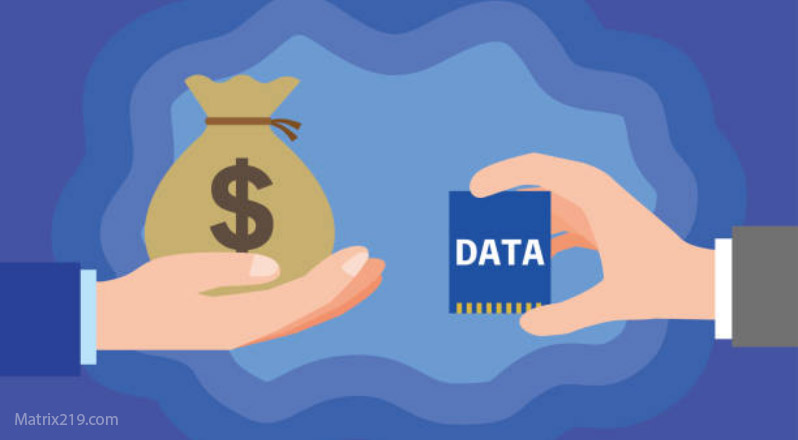
What “selling your data” really means
Not all data collection is bad. The critical difference is how the data is used.
Selling your data usually involves:
-
Sharing identifiable user information
-
Monetizing browsing habits or app usage
-
Passing data to advertisers or undisclosed partners
This is very different from collecting anonymous threat intelligence, which is necessary for malware detection.
Data collection that is normal and necessary
Reputable free antivirus tools typically collect:
-
File hashes and malware signatures
-
Behavioral indicators of threats
-
Anonymous crash or performance data
This data is:
-
Aggregated
-
Anonymized
-
Used to improve detection accuracy
Without it, antivirus software would fall behind rapidly evolving threats.
Data practices that should raise red flags
Be cautious if an antivirus:
-
Mentions “partners” without naming them
-
Collects browsing or search behavior unrelated to security
-
Requires account creation without clear justification
-
Makes opting out of data collection difficult or impossible
Lack of clarity is often more dangerous than the data itself.
How ethical free antivirus tools make money instead
Privacy-respecting vendors usually rely on:
-
Freemium upgrades (paid features fund free users)
-
Optional premium services
-
Business subscriptions subsidizing consumer tools
These models align revenue with features, not surveillance.
For monetization context:
How Free Antivirus Makes Money
Privacy policies: what to actually look for
When reviewing an antivirus privacy policy, focus on:
-
Clear definitions of collected data
-
Explicit statements about not selling personal data
-
Named purposes tied directly to security improvement
-
Accessible opt-out mechanisms
Long policies aren’t the problem—vague language is.
Ads vs data selling: not the same thing
Some free antivirus tools show ads but still:
-
Don’t sell personal data
-
Keep ads generic and non-targeted
Others remove ads entirely but collect excessive analytics. Ads are annoying—but data resale is far worse.
For performance and ad impact:
Why Free Antivirus Slows Your PC
Free antivirus and third-party components
Privacy risks often come from:
-
Bundled browser extensions
-
“Security” toolbars
-
Optional add-ons installed by default
Even reputable antivirus software can introduce risk through extras. Always use custom installation and decline non-essential components.
How to reduce data exposure after installation
Even with a trustworthy tool, you should:
-
Review privacy and telemetry settings
-
Disable optional data sharing
-
Turn off extras you don’t need
-
Avoid account linking unless required
Privacy protection is partly about user control, not just vendor promises.
When free antivirus truly respects privacy
A free antivirus is likely privacy-safe if:
-
The vendor is well-established
-
Data practices are transparent
-
There’s no history of misuse
-
The tool behaves calmly without manipulation
Trust is built through behavior over time—not marketing slogans.
When to walk away immediately
Uninstall immediately if:
-
The antivirus shows fake infection warnings
-
You can’t disable tracking features
-
It installs unrelated software silently
-
Removal is difficult or incomplete
These are signs of exploitation, not protection.
For fake tools context:
Is Free Antivirus Safe in 2026?
Final answer
So, does free antivirus that doesn’t sell your data exist in 2026?
Yes—but only from vendors that rely on transparent, ethical monetization models. The key isn’t zero data collection; it’s no personal data resale, clear policies, and user control. Choose carefully, review settings, and free antivirus can protect both your system and your privacy.
For the complete, trust-first guide to free antivirus tools, revisit:
best free antivirus in 2026
FAQ
Do all free antivirus tools sell user data?
No. Reputable vendors rely on freemium models and anonymized threat data.
Is anonymous threat data collection safe?
Yes. It’s standard practice and essential for malware detection.
Are privacy-focused antivirus tools less effective?
Not necessarily. Effectiveness depends on detection quality, not data resale.
Can I opt out of data collection completely?
Sometimes partially. Core threat data is often mandatory, analytics may not be.
What’s the biggest privacy risk with free antivirus?
Vague policies, bundled extras, and lack of user control.