Hacked phone vs spyware is a distinction many people miss—and that confusion often leads to the wrong response. Users notice strange behavior and assume “I’m hacked,” when in reality the device may be infected with spyware that relies on permissions, not a full takeover. The difference matters because detection, cleanup, and recovery steps are not the same.
This article explains how a hacked phone differs from spyware infection, how each typically enters a device, what signs point to one or the other, and how to respond safely. By the end, you’ll know which situation you’re dealing with—and what action actually makes sense.
Quick Navigation
What “Hacked Phone” Really Means
The term “hacked” is often used loosely.
Common meanings behind a “hacked phone”
-
Account takeover linked to the phone (email, Apple ID, Google)
-
Unauthorized remote access through credentials
-
Device-level compromise following account loss
In most real cases, the phone itself is not technically breached—the accounts are.
For the full awareness and response framework, see: If Your Phone Is Hacked: How to Know, What to Do, and How to Stay Safe
What Spyware Is and How It Works
Spyware is different—and far more common.
How mobile spyware operates
-
Installed as an app (often disguised)
-
Uses legitimate permissions
-
Monitors activity quietly over time
Spyware doesn’t need to “hack” the phone. It waits for permission—and users often grant it unknowingly.
If you’re trying to identify early warning signs, review: If your phone is hacked how to know
Key Differences Between Phone Hacking and Spyware
Understanding the contrast prevents wrong decisions.
Hacked phone characteristics
-
Accounts show unauthorized access
-
Passwords stop working
-
New devices appear in account security logs
Spyware characteristics
-
Unknown apps with high-risk permissions
-
Persistent background activity
-
Little to no visible account takeover
Both are serious—but they require different priorities.
Android vs iPhone: How the Difference Appears
Platform design affects which threat is more likely.
On Android devices
-
Spyware via accessibility abuse is common
-
Apps may survive reboots using permissions
Detection guide: Signs your Android phone is hacked
On iPhones
-
Spyware often relies on configuration profiles
-
Account compromise is more common than app-based spying
Detection guide: Signs your iPhone is hacked
Which One Is More Dangerous?
The answer depends on what’s at risk.
Spyware risks
-
Long-term monitoring
-
Message and notification interception
-
Stealthy data collection
Hacked phone risks
-
Immediate account loss
-
Financial damage
-
Identity misuse
Spyware is often quieter; hacking is often faster and louder.
To see how attackers maintain access over time, read: How hackers hide on phones
How to Respond Correctly in Each Case
Wrong actions can make things worse.
If the issue is account-based hacking
-
Secure email first
-
Regain Apple ID / Google access
-
Review connected devices
Follow the full recovery sequence here: If Your Phone Is Hacked: Step-by-Step Recovery Guide (Android & iPhone)
If the issue is spyware
-
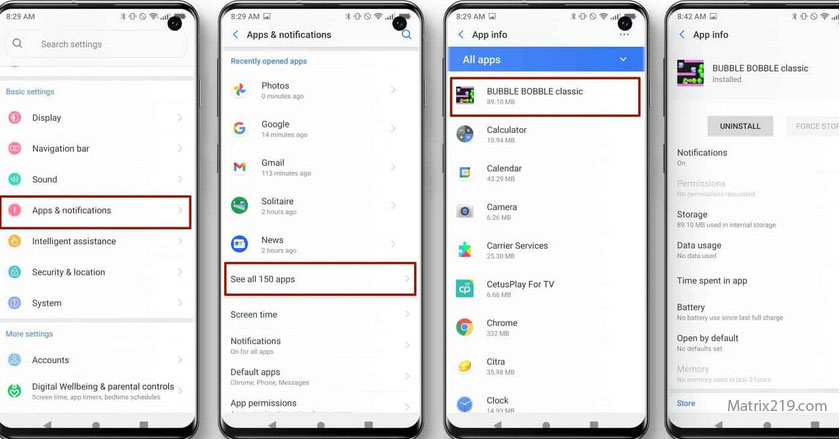
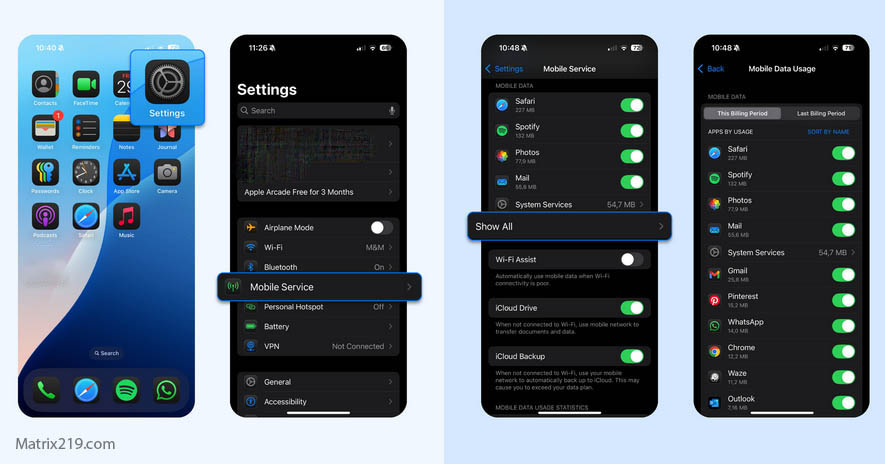
Audit permissions carefully
-
Identify and remove the app
-
Reset only if persistence remains
A reset without account security may fail in both cases.
When It’s Hard to Tell Which One You’re Facing
Sometimes signs overlap.
Treat it as serious if:
-
Unknown apps and account alerts appear
-
Permissions re-enable themselves
-
Behavior persists after basic cleanup
At that point, containment and structured recovery matter more than classification.
Security research shows that most mobile “hacking” incidents reported by users are actually permission-based spyware or account takeovers—not system-level exploits—making accurate identification critical before taking drastic steps Mobile spyware vs account compromise analysis
Frequently Asked Questions
Can spyware exist without hacking my accounts?
Yes. That’s how most mobile spyware works.
Can a hacked phone exist without spyware?
Yes. Account takeover alone can make the phone unsafe.
Which is harder to detect?
Spyware, because it’s designed to stay quiet.
Which causes more damage faster?
Account-based hacking usually does.
Does factory reset fix both?
Sometimes—but only if accounts and backups are clean.