How hackers hide on phones is the reason many real compromises go unnoticed for weeks—or even months. Modern attackers rarely rely on loud malware or obvious takeovers. Instead, they blend into normal phone behavior, abuse legitimate permissions, and use accounts rather than exploits to maintain access.
This article explains the most common stealth techniques used to stay invisible on phones, how they differ between Android and iPhone, and which signs expose hidden access. Understanding these tactics helps you avoid false reassurance and recognize when “everything looks normal” is actually the problem.
Quick Navigation
Why Modern Phone Attacks Focus on Stealth
Noise attracts attention—and removal.
Why attackers avoid obvious behavior
-
Visible pop-ups lead to quick uninstalls
-
Heavy resource usage triggers suspicion
-
Account alerts force password changes
Stealth allows attackers to persist longer and extract more value.
For the full context of how compromise unfolds, see: If Your Phone Is Hacked: How to Know, What to Do, and How to Stay Safe
Permission Abuse: The Most Effective Hiding Method
Permissions provide legal-looking access.
Permissions commonly used to stay hidden
-
Accessibility services
-
Notification access
-
Device administrator privileges
These permissions survive reboots and updates without exploiting the system.
To understand how this begins, review: Unknown apps & permissions explained
Account-Based Persistence: Hiding Beyond the Device
Sometimes the phone isn’t the main target.
How attackers hide through accounts
-
Maintaining access to email
-
Staying logged into Apple ID or Google
-
Syncing data silently across devices
Even a clean phone becomes unsafe if the account remains compromised.
A structured recovery path is detailed here: If Your Phone Is Hacked: Step-by-Step Recovery Guide (Android & iPhone)
Android vs iPhone: Different Hiding Strategies
Platform rules shape attacker behavior.
How hackers hide on Android
-
Accessibility abuse disguised as helpers
-
Background services with generic names
-
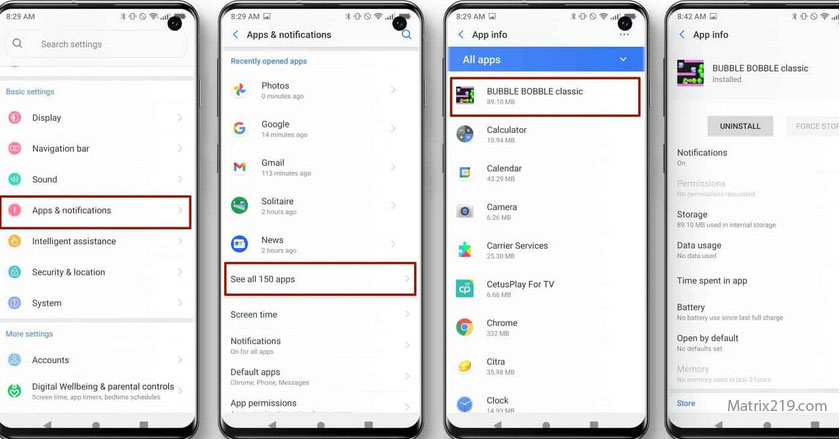
Apps without icons or notifications
Related detection context: Signs your Android phone is hacked
How hackers hide on iPhone
-
Configuration profiles and certificates
-
Silent iCloud syncing via Apple ID
-
Abuse of trusted devices
Related detection context: Signs your iPhone is hacked
Low-Noise Activity: Avoiding Detection Signals
Stealth is about balance.
Techniques that minimize suspicion
-
Triggered activity only during phone use
-
Low-frequency data transmission
-
Piggybacking on legitimate app traffic
This is why many compromised phones show no obvious performance issues.
If you’re unsure whether subtle signs add up to compromise, review: If your phone is hacked how to know
When Hidden Access Finally Becomes Visible
Stealth isn’t perfect forever.
Signs hiding techniques are failing
-
Permissions re-enable themselves
-
Accounts log in after password changes
-
Background activity persists after resets
At this stage, containment matters more than observation.
Security research on mobile surveillance consistently shows that permission abuse and account persistence are more reliable for attackers than exploiting operating system vulnerabilities, which explains why many “hacks” leave almost no technical footprint Mobile surveillance persistence techniques overview
Frequently Asked Questions
Can hackers stay hidden indefinitely on a phone?
Not indefinitely—but long enough to cause serious damage.
Does no battery drain mean no hacking?
No. Stealthy threats aim to avoid battery impact.
Are hiding techniques illegal exploits?
Often no—they rely on misused legitimate features.
Why do resets sometimes fail?
Because accounts or backups restore access.
What’s the safest response once hiding is suspected?
Isolate the device and follow structured recovery steps.