How hackers target phone users is far more predictable than most people think. Attacks aren’t random, and they’re rarely personal at the start. Hackers follow patterns of opportunity: weak accounts, rushed behavior, trusted numbers, and phones that blend work, finance, and identity into one device.
This article explains how attackers choose targets, what signals make a phone user “worth it,” and how attacks scale from generic to personal. Understanding these patterns is the final piece of prevention—because once you see how targeting works, you stop fitting the profile.
Quick Navigation
Hackers Don’t Start With People—They Start With Access
Targeting begins at scale.
What attackers scan for first
-
Email addresses reused across services
-
Phone numbers tied to multiple accounts
-
Weak or SMS-only account recovery
-
Public data leaks and breach lists
Only after access exists does targeting become personal.
For the broader context, review: How phones get hacked in real life
The Three Types of Phone Targets
Not all targets are equal.
1. Opportunistic targets (most people)
-
Phishing and fake alerts
-
Mass SMS or email campaigns
-
No prior knowledge required
2. High-value routine targets
-
Banking, crypto, or business users
-
Heavy cloud and account reliance
-
Reused credentials or weak recovery
3. Personal targets
-
Stalking, abuse, disputes
-
Physical access or social proximity
-
Monitoring and spyware use
Each category changes the attacker’s effort—but not the methods.
The Signals That Put You on a Hacker’s Radar
Targeting is often reactive.
Common targeting signals
-
Clicking phishing links
-
Entering verification codes
-
Granting high-risk permissions
-
Recovering accounts repeatedly
-
Public complaints about hacking
Each signal tells attackers: this path works.
Why Phones Are the Perfect Target
Phones collapse multiple identities.
Why attackers prefer phones
-
Email, SMS, apps, and codes on one device
-
Always-on notifications
-
Smaller screens reduce scrutiny
-
Emotional, time-sensitive use
Phones reward speed over verification—and attackers exploit that.
How Attacks Escalate From Generic to Personal
Most personal attacks start generic.
Typical escalation path
-
Mass phishing or smishing
-
One successful interaction
-
Account or number access
-
Persistence via backups or linked devices
-
Targeted follow-up
Stopping attacks early prevents steps 4 and 5.
For recovery logic, see: If Your Phone Is Hacked: Step-by-Step Recovery Guide (Android & iPhone)
Psychological Hooks Hackers Use on Phone Users
Technology is only half the attack.
The most effective hooks
-
Urgency: “Act now or lose access”
-
Authority: bank, carrier, platform warnings
-
Convenience: “Just approve to continue”
-
Fear: account suspension or fraud alerts
Phones amplify these emotions through notifications.
Phishing deep dive: Phishing on mobile explained
Why Some Users Get Hit Repeatedly
Repeat targeting is intentional.
Why attackers come back
-
Accounts weren’t fully secured
-
SIM or number stayed weak
-
Backups restored access
-
User behavior stayed predictable
Attackers follow success, not people.
For persistence risks, see: How hackers hide on phones
Android vs iPhone: Targeting Differences
Attackers adapt to ecosystems.
Android targeting
-
Permission abuse
-
Sideloaded or fake apps
-
Accessibility exploitation
Context: App permissions security
iPhone targeting
-
Apple ID takeover
-
Configuration profiles
-
Account recovery abuse
Context: If your iPhone is hacked
How to Stop Being a “Good Target”
Prevention is about profile reduction.
How to lower your target value
-
Harden email and cloud accounts
-
Use app-based 2FA, not SMS
-
Deny high-risk permissions
-
Avoid logging in via links
-
Separate finance/work from daily apps
-
Don’t rush recovery or restores
These steps remove the signals attackers rely on.
Settings guide: Best security settings 2026
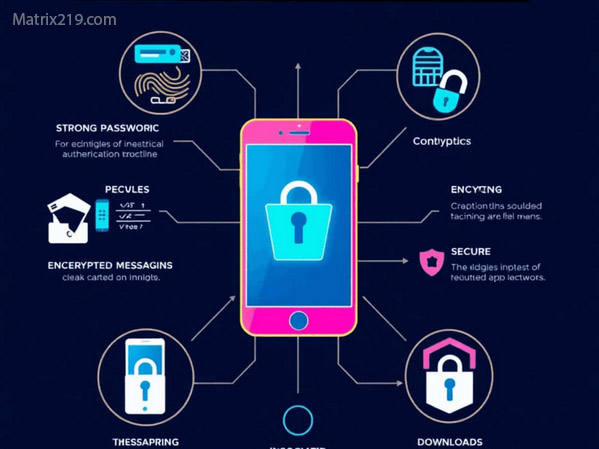
Best security settings 2026
When Targeting Becomes Personal and Dangerous
Take this seriously.
Red flags
-
Repeated monitoring signs
-
Physical access threats
-
Children or vulnerable people involved
-
Financial or legal pressure
In these cases, technical steps alone are not enough.
Escalation guidance: When to report phone hacking to authorities
The Final Truth About Targeting
Hackers don’t chase intelligence—they chase predictability.
When you remove urgency, break habits, harden accounts, and slow down decisions, you stop fitting the pattern. Most attackers move on—not because you’re invisible, but because you’re no longer efficient to target.
Security research consistently shows that attackers abandon targets who require additional steps, stronger verification, or behavioral change—making inconvenience one of the strongest defenses available Mobile attacker targeting behavior analysis
Frequently Asked Questions
Do hackers choose victims randomly?
Initial attacks are often random, but targeting becomes selective once a user interacts, grants access, or shows exploitable behavior.
Why do some people get hacked multiple times?
Because attackers follow successful paths. If accounts, backups, or SIM security aren’t fixed, the same method keeps working.
Is posting online about being hacked risky?
It can be. Publicly sharing details may signal vulnerability and attract follow-up attacks.
Are phone users more targeted than laptop users?
Yes. Phones combine communication, verification, and identity in one place, making them more efficient targets.
What’s the strongest way to stop being targeted?
Secure your email and cloud accounts, stop using SMS-based recovery, and slow down reactions to urgent messages.