
How Mobile Spyware Gets Installed is one of the most important topics for prevention. Many users assume spyware requires advanced hacking skills, but most real-world infections rely on simple, repeatable techniques that exploit trust, habits, or temporary access.
Understanding installation methods shifts the focus from fear to control. When users know how spyware enters a device, they can close the most common doors before any tool is needed.
This article explains the primary ways mobile spyware is installed and why behavioral awareness matters more than technical defenses alone.
Phishing and Social Engineering Attacks
Phishing remains one of the most effective spyware delivery methods. Malicious links sent via SMS, email, messaging apps, or social platforms trick users into installing spyware or granting dangerous permissions.
Messages often appear urgent or emotionally charged. Fake security alerts, delivery notices, or account warnings push users to act quickly without verification.
Once a malicious app is installed or permissions are granted, spyware can operate silently in the background.
Malicious Apps and App Store Abuse
Not all spyware comes from outside official app stores. Some malicious apps temporarily pass store reviews by hiding surveillance features until after installation.
Others abuse legitimate permissions, collecting far more data than users expect. Over time, updates may introduce invasive behavior that was not present initially.
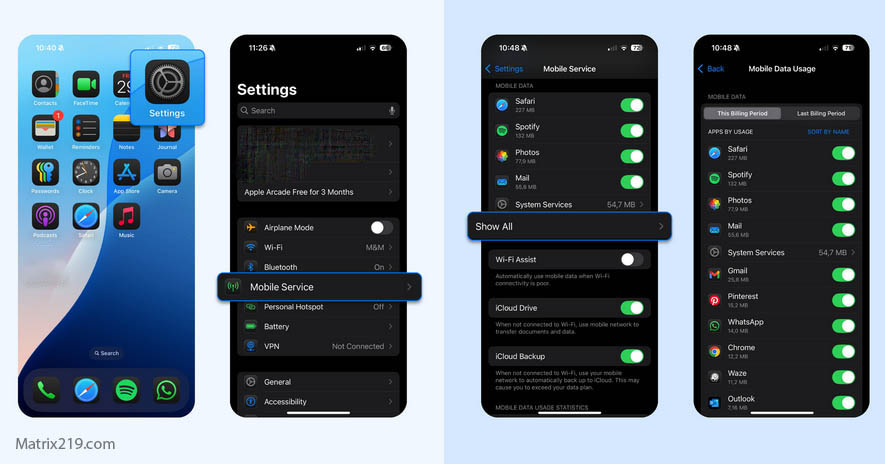
Understanding how apps misuse permissions is essential, as explained in: How Apps Track You
How Apps Track You
Sideloaded Apps and Unofficial Sources
Installing apps from unofficial sources significantly increases spyware risk. Sideloaded apps bypass many platform security checks and are a common vector for stalker ware.
Cracked apps, modified versions of popular tools, and “premium unlocked” downloads often contain hidden surveillance components.
Avoiding sideloading is one of the most effective preventive measures for mobile privacy.
Physical Access Installation
Physical access remains one of the most underestimated spyware vectors. Anyone with temporary access to an unlocked phone can install spyware in minutes.
This includes partners, coworkers, family members, or anyone who can borrow a device briefly. Physical installation often leaves fewer technical traces than remote attacks.
Strong device locks and awareness of access boundaries are critical defenses.
Abuse of Accessibility and Admin Permissions
Many spyware apps abuse powerful system features such as accessibility services or device admin privileges.
These permissions allow deep visibility into user activity and make spyware difficult to remove. Users often grant these permissions without fully understanding their impact.
Regularly reviewing privileged permissions is essential for early detection.
Configuration Profiles and Enterprise Certificates
On some platforms, spyware can be installed through configuration profiles or enterprise certificates. These methods are commonly used in corporate environments but can be abused for surveillance.
Profiles may grant extensive control over device behavior, including app installation and network routing.
Users rarely review installed profiles, making this vector especially stealthy.
Why Technical Skill Is Not the Main Factor
Most spyware infections do not rely on advanced exploits. They rely on user behavior, trust, and temporary access.
This is why prevention focuses on habits, awareness, and access control rather than chasing sophisticated attackers.
Understanding this reality helps users prioritize effective defenses.
Reducing Installation Risk
Reducing risk involves limiting app sources, verifying links, securing physical access, and reviewing permissions regularly.
Small behavioral changes eliminate the majority of spyware installation paths without technical complexity.
For broader protection strategies, see: Mobile Privacy & Spyware Detection: How to Protect Your Phone from Surveillance (2026)
FAQ
Do I need to be hacked for spyware to install?
No. Many installations rely on deception or access, not hacking.
Are official app stores completely safe?
They reduce risk but do not eliminate it.
Is physical access really that dangerous?
Yes. It is one of the fastest spyware installation methods.
Can spyware install itself silently?
Usually only with user interaction or access.
What is the best prevention step?
Limit app installs, secure your device, and review permissions.