How phones get hacked in real life is very different from the dramatic stories people imagine. Most compromises don’t involve elite hackers or zero-day exploits. They succeed because attackers abuse human behavior, app permissions, accounts, and trust, not because phones are weak by design.
This article breaks down the real-world methods attackers use today, why they work, and how small mistakes turn into full phone compromise. Understanding these paths is the foundation of prevention—because you can’t block what you don’t recognize.
Quick Navigation
The Biggest Myth About Phone Hacking
The myth causes bad decisions.
The common false belief
“If I didn’t click something weird, I’m safe.”
In reality, many compromises happen through normal actions: installing popular apps, restoring backups, using public Wi-Fi, or trusting SMS messages that look legitimate.
For the full incident framework, review: If Your Phone Is Hacked: How to Know, What to Do, and How to Stay Safe
Method 1: Phishing That Targets Phones Specifically
Mobile phishing is optimized for small screens.
Why phone phishing works
-
URLs are truncated
-
Apps open links automatically
-
Notifications create urgency
-
Verification codes arrive on the same device
One tap can expose email, cloud accounts, or social media—without installing anything.
Deep dive here: Phishing on mobile explained
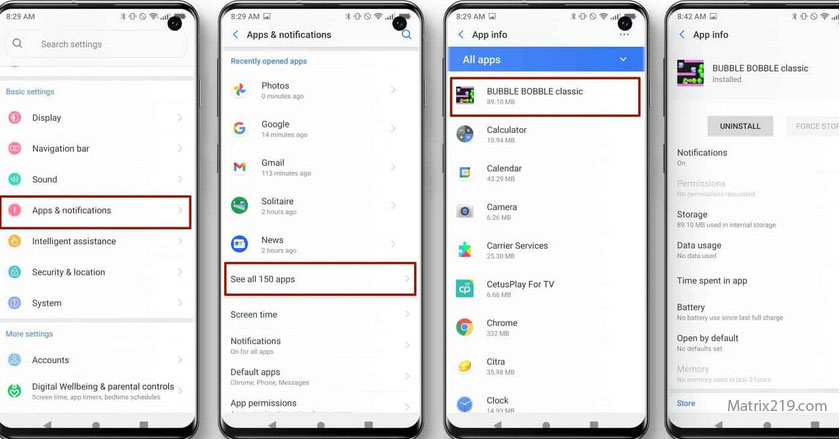
Method 2: Permission Abuse (The Silent Takeover)
This is the most common real-world method.
High-risk permissions attackers abuse
-
Accessibility services
-
Notification access
-
Device administrator
-
VPN configuration
Once granted, spyware can read screens, messages, and codes—legally, in OS terms.
Explanation: Unknown apps & permissions explained
Method 3: Compromised Accounts Following You Everywhere
This is how hacks “come back.”
Why accounts are the real target
-
Email controls password resets
-
Cloud accounts restore apps and settings
-
Sessions persist across devices
If accounts aren’t secured first, every cleanup fails.
Full sequence: If Your Phone Is Hacked: Step-by-Step Recovery Guide (Android & iPhone)
Method 4: SIM-Based Attacks and Number Abuse
Phone numbers are fragile identity keys.
How attackers exploit SIM access
-
SMS verification interception
-
WhatsApp or Telegram takeover
-
Password resets via number
This is why SIM security is critical after any incident.
Guidance: Lock SIM & carrier actions after phone hacking
Method 5: Spyware Installed With Physical Access
Not all hacks are remote.
Common physical access scenarios
-
“Quick check” by someone you trust
-
Phone repair or charging station
-
Parental or partner monitoring apps
Many spying apps require minutes, not hours, to install.
Related risks: Kids’ phones & spying apps
Method 6: Backup and Restore Re-Introducing the Threat
This is the most frustrating vector.
How backups cause repeat compromise
-
Restore app data and permissions
-
Re-enable hidden profiles or VPNs
-
Reconnect cloud sessions
People think the reset failed—when the backup caused it.
Prevention guide: How to backup safely from a hacked phone
Android vs iPhone: How Methods Differ in Practice
Attackers adapt to platforms.
Android in real life
-
Permission abuse is more flexible
-
Sideloading increases risk
-
Rooted devices amplify damage
Context: If your Android phone is hacked
iPhone in real life
-
Apple ID compromise is decisive
-
Configuration profiles matter
-
Jailbreak changes everything
Context: If your iPhone is hacked
If your iPhone is hacked
Why “Advanced Hackers” Are Rarely Involved
Reality is simpler—and more dangerous.
What attackers actually prefer
-
Low effort
-
High success
-
Reusable methods
Social engineering + permissions + accounts beat exploits almost every time.
Industry security reports consistently show that the majority of mobile compromises rely on phishing, permission abuse, and account persistence rather than exploiting operating system vulnerabilities Mobile threat vectors and real-world attack patterns overview
How Real Attacks Usually Escalate (Timeline)
Understanding escalation prevents panic.
-
Initial access (phishing or permission)
-
Account takeover (email/cloud)
-
Persistence (backup, linked devices)
-
Secondary damage (finance, social, work)
Stopping attacks early prevents steps 3 and 4.
Prevention Starts With Awareness, Not Tools
Tools help—but habits matter more.
The real prevention mindset
-
Assume apps want more access than they need
-
Treat email and cloud as crown jewels
-
Don’t rush restores or logins
-
Question urgency messages
This mindset blocks most real-world attacks.
Frequently Asked Questions
Do phones get hacked without clicking anything?
Rarely. Most real-world attacks require some form of interaction—granting a permission, entering a code, or logging into a fake page—even if it didn’t feel risky at the time.
Are public Wi-Fi networks the main danger?
They’re a risk, but not the biggest one. Phishing, permission abuse, and account compromise are far more common causes of phone hacking today.
Why do hacks often return after cleanup?
Because accounts or backups weren’t secured first. Attackers usually persist through email, cloud sync, or linked devices—not the phone itself.
Is installing antivirus enough to prevent hacking?
No. Antivirus can help, but it cannot stop phishing, poor permissions, or account misuse. Prevention depends more on behavior than tools.
Are some people targeted more than others?
Yes. People with valuable accounts, weak number security, shared devices, or high online exposure are targeted more frequently—but anyone can be affected.