If Your Phone Is Hacked, the impact rarely stays limited to the device itself. A compromised phone can expose your email, social media, financial apps, cloud backups, and even workplace systems. Interest in phone hacking spikes after major data leaks, malware campaigns, or when users notice suspicious behavior like unexplained battery drain, unknown apps, or strange login alerts.
This guide is written for that exact moment of doubt—when something feels wrong and you need reliable answers fast. You’ll learn how to identify clear signs of phone compromise, what actions to take immediately, how to protect accounts connected to your phone, and how to reduce the risk of this happening again. The focus is on realistic threats, legal recovery paths, and prevention strategies that actually work in 2026.
Quick Navigation
How to Know If Your Phone Has Been Compromised
Not every bug or slowdown means hacking. The key is recognizing consistent indicators of phone compromise.
Unusual phone behavior linked to security issues
- Apps launching or closing without interaction
- System settings changing unexpectedly
- Accessibility or device admin permissions enabled without consent
Network and account warning signs
- Sudden mobile data usage spikes
- Security alerts for logins you didn’t initiate
- Messages or emails sent from your accounts
Unknown apps and hidden access
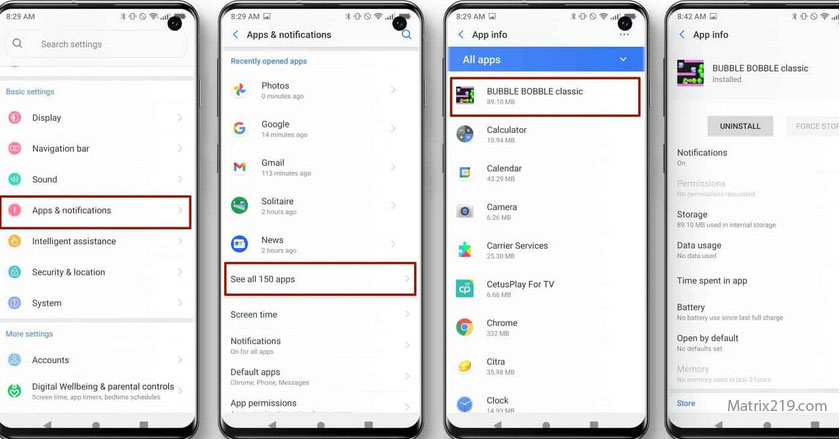
- Apps you don’t remember installing
- Services running in the background with broad permissions
For a deeper breakdown, see Signs your phone is hacked.
What to Do Immediately After a Phone Hack Is Suspected
The first few minutes matter. The goal is to stop further damage without destroying evidence.
Isolate the compromised phone safely
- Disable Wi-Fi and mobile data
- Avoid deleting apps or resetting yet
Secure critical accounts from a clean device
- Change passwords starting with email
- Lock down Apple ID or Google account next
Document suspicious activity
- Save screenshots of alerts or unknown apps
- This helps with recovery or escalation later
Follow the full emergency checklist here: What to do immediately if your phone is hacked
Protecting Your Data and Online Accounts If Your Phone Is Hacked
Most phone hacks succeed because attackers pivot from the device to connected accounts.
Why email security comes first
Email controls password resets across platforms. If email stays compromised, recovery fails.
Detailed steps: Secure your email after phone hack
Apps most commonly affected after device compromise
- Messaging apps (WhatsApp, Telegram)
- Social media accounts
- Banking and financial apps
Platform-specific guides:
- If WhatsApp is hacked through your phone
- If Facebook is hacked because of your phone
- Banking apps after phone hacking

Legal and Ethical Phone Recovery Options Explained
Recovery is about restoring control, not confronting attackers.
What legitimate recovery can achieve
- Regain account ownership
- Remove unauthorized access
- Strengthen future security posture
What recovery cannot legally do
- Spy on hackers
- Break platform safeguards
- Access accounts without proof
For official consumer guidance, see: Official guidance on protecting users after mobile compromise
If standard recovery paths fail, review When recovery fails.
Factory Reset vs Safe Phone Cleanup After Hacking
Many users ask whether resetting the phone is enough. The answer depends on how the compromise happened.
When a factory reset is effective
- Malware is app-based
- No system-level persistence exists
When a reset may not remove spyware
- Rooted or jailbroken devices
- Abuse of device admin or accessibility services
Decision support:
How to Prevent Phone Hacking in Real Life
Prevention is about reducing exposure, not chasing perfect security.
Everyday behaviors that lower hacking risk
- Install apps only from trusted stores
- Review permissions regularly
- Keep system updates enabled
Security settings that actually matter
- Restrict accessibility access
- Lock SIM cards with a PIN
- Use two-step verification everywhere
Further reading:
Frequently Asked Questions If Your Phone Is Hacked:
Can a phone be hacked without installing anything?
Yes, but it’s uncommon. Most compromises rely on phishing, malicious apps, or permission abuse.
Does overheating always mean malware?
No. Overheating alone is unreliable unless combined with data spikes and unknown processes.
Is airplane mode useful during a phone hack?
Temporarily. It stops live data transfer but doesn’t remove access or malware.
Can security apps detect all mobile spyware?
No. Some spyware hides behind system permissions and requires manual inspection.
Is buying a new phone enough after hacking?
Only if all linked accounts were secured first.
When should authorities be involved?
If there’s financial theft, stalking, or identity misuse. See When to report to authorities.