IMEI & device banning are often misunderstood steps after phone hacking. Some people believe banning a device instantly stops all access; others fear it will magically “brick” the phone forever. The truth sits in between. IMEI actions affect network access, not account access, and they help in specific scenarios—but fail completely in others.
This article explains what IMEI actually is, when device banning helps, when it’s pointless, and how to decide if contacting your carrier makes sense after a compromise. The goal is to prevent false confidence and wasted effort.
Quick Navigation
What Is IMEI and What Does It Control?
IMEI identifies the hardware—not the user.
What IMEI controls
-
Cellular network access (calls, SMS, mobile data)
-
Carrier-level blocking of a physical device
What IMEI does NOT control
-
Wi-Fi access
-
App accounts and logins
-
Cloud services or backups
-
Online activity outside cellular networks
Understanding this boundary is critical before taking action.
For the broader recovery context, review: If Your Phone Is Hacked: How to Know, What to Do, and How to Stay Safe
When IMEI Banning Actually Helps
IMEI actions are situational tools.
IMEI banning is useful if:
-
The phone was lost or stolen
-
You want to prevent cellular misuse or resale
-
SMS-based attacks are ongoing
-
Carrier fraud protection is required
In these cases, IMEI blocking limits real-world abuse.
When IMEI Banning Does Nothing
This is where expectations break.
IMEI banning is ineffective if:
-
The attacker relies on Wi-Fi
-
Accounts and sessions are compromised
-
Cloud backups and sync remain active
-
Spyware operates at the app or account level
IMEI blocking does not remove malware or revoke access.
For access persistence, see: How hackers hide on phones
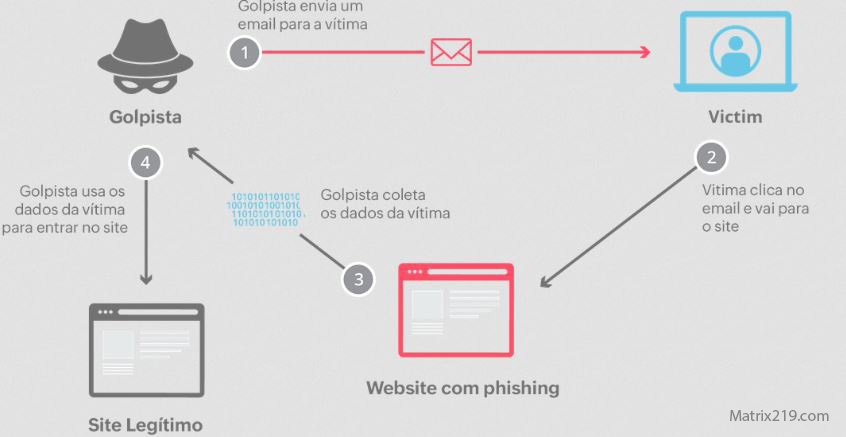
How hackers hide on phones
IMEI vs SIM Locking: Don’t Confuse Them
They solve different problems.
SIM locking
-
Protects your phone number
-
Stops SMS interception and SIM swap abuse
IMEI blocking
-
Stops a specific device from using cellular networks
In most hacking cases, SIM locking matters more than IMEI blocking.
SIM guidance here: Lock SIM & carrier actions after phone hacking
IMEI and Phone Replacement: What Carries Over
IMEI is tied to hardware only.
What changes with a new phone
-
New IMEI
-
Old device remains blocked (if banned)
What carries over
-
Accounts
-
Cloud sync
-
Poor security habits
This is why replacement without account security fails.
Replacement context: Is changing phone enough after hacking
Should You Ban IMEI Before or After Cleanup?
Timing matters.
Ban IMEI before cleanup if:
-
The phone is lost or stolen
-
You suspect active cellular misuse
Ban IMEI after cleanup if:
-
You’re replacing the device
-
You want to permanently retire the old phone
If the phone is in your possession and functional, IMEI banning is often optional.
Legal and Practical Side Effects of IMEI Blocking
IMEI actions are not reversible everywhere.
Important considerations
-
Some regions share blacklists internationally
-
Unblocking can be slow or impossible
-
Resale value drops to zero
Treat IMEI banning as a final network-level action, not a diagnostic step.
IMEI Is Not a Security Cleanup Tool
This misconception causes harm.
What IMEI cannot do
-
Remove spyware
-
Secure accounts
-
Stop cloud-based access
-
Prove hacking occurred
For actual cleanup, follow: Remove hacker access safely
When IMEI Action Makes Sense in a Recovery Plan
Use it deliberately—not emotionally.
Reasonable use cases
-
Theft combined with hacking
-
Insurance or carrier requirements
-
Permanent device retirement
In most app- or account-based hacks, IMEI is secondary, not primary.
Telecom security guidance consistently notes that IMEI blocking is designed for theft prevention and network abuse control—not for account security or malware remediation, which must be handled at the OS and account levels GSMA IMEI blocking and device blacklist overview
Frequently Asked Questions
Does IMEI banning stop hackers from accessing my accounts?
No. IMEI only affects cellular network access. Accounts, cloud services, and Wi-Fi access remain untouched unless secured separately.
Should I ban IMEI if my phone was hacked but not stolen?
Usually no. If you still have the device and can clean it, account security and permissions matter far more than IMEI action.
Can a banned phone still work on Wi-Fi?
Yes. IMEI blocking does not affect Wi-Fi, apps, or online services that don’t rely on cellular networks.
Is IMEI blocking reversible?
Sometimes, but not always. Policies vary by carrier and country, and reversal can be slow or impossible.
Is IMEI blocking required for insurance claims?
Often yes. Many carriers and insurers require IMEI blocking to document loss or theft.