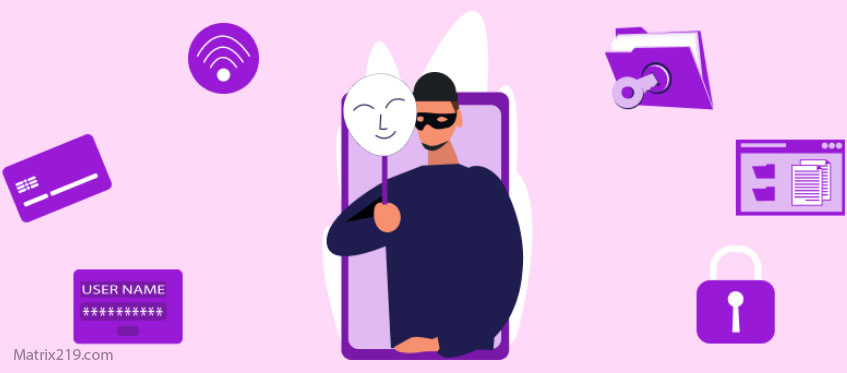
Impersonation Scams are among the most damaging forms of digital fraud because they exploit existing trust. Instead of creating something obviously fake, scammers pretend to be entities you already recognize—banks, delivery companies, government agencies, employers, or even people you know.
In 2026, impersonation scams are highly polished. They use real branding, accurate language, and believable timing. Many victims only realize something is wrong after access or money is gone.
This article explains how impersonation scams work, why they are so convincing, and how to detect them before trust turns into loss.
What Makes Impersonation Scams Different
Impersonation scams do not rely on randomness. They rely on familiarity.
When a message appears to come from a known institution or trusted contact, users skip verification steps subconsciously. The scammer’s job is to sound routine, not urgent or strange.
Trust is the payload.
Common Targets of Impersonation
Impersonation scams frequently mimic:
-
Banks and payment providers
-
Delivery and logistics companies
-
Government agencies and tax authorities
-
Employers, HR departments, or executives
-
Friends, family members, or coworkers
The more frequently you interact with an entity, the easier it is to impersonate convincingly.
How Scammers Build Convincing Impersonations
Modern impersonation scams use layered credibility.
They may combine:
-
Correct logos, colors, and formatting
-
Realistic sender names and domains
-
Contextual timing (invoices, deliveries, renewals)
-
Partial personal information to increase plausibility
Some scams unfold over multiple messages to build familiarity before making a request.
Impersonation Through Compromised Accounts
One of the most effective impersonation methods is using real, compromised accounts.
If a scam comes from an actual email address or messaging account you trust, skepticism drops dramatically. This is common in workplace fraud and social media scams.
Account compromise turns trust networks into attack vectors.
Executive and Authority Impersonation
Scammers often impersonate authority figures to bypass resistance.
Fake messages from “the CEO,” “your manager,” or “compliance” push victims to act quickly and quietly. These scams often request gift cards, urgent payments, or sensitive information.
Hierarchy is weaponized to suppress questioning.
Emotional Impersonation Scams
Not all impersonation relies on authority. Some rely on emotion.
Scammers impersonate friends or relatives claiming emergencies, lost phones, or urgent financial trouble. Emotional pressure replaces technical urgency.
These scams succeed because helping feels automatic.
Key Warning Signs That Matter
Reliable indicators of impersonation scams include:
-
Requests to bypass standard procedures
-
Pressure to keep the request confidential
-
Sudden changes in payment methods
-
Requests that don’t match the sender’s role
-
Minor inconsistencies in language or behavior
Context matters more than appearance.
How to Verify Impersonation Safely
Verification should always happen outside the original message.
Use known phone numbers, official websites, or direct contact methods you already trust. Do not reply to the message itself to verify.
Legitimate entities support verification. Scammers discourage it.
Why Visual Clues Are No Longer Reliable
Logos, email formatting, and HTTPS are no longer meaningful safety indicators.
Scammers routinely use real branding and secure-looking pages. Relying on visuals alone creates false confidence.
Intent and process matter more than polish.
What to Do If You Responded to an Impersonation Scam
If you acted on an impersonation scam:
-
Secure affected accounts immediately
-
Contact financial institutions if payments were made
-
Document messages and transaction details
-
Warn contacts if a compromised account was used
Early response reduces follow-up attacks.
Impersonation as a Core Fraud Strategy
Impersonation underpins many scam types—from phishing to business email compromise.
Understanding impersonation patterns improves detection across the entire fraud landscape.
For the full framework this article supports, see: Online Scams & Digital Fraud: How to Spot, Avoid, and Recover (2026 Guide)
FAQ
Are impersonation scams always illegal?
Yes. Deceptive impersonation for fraud is illegal.
Can scammers fake phone numbers and emails?
Yes. Caller ID and sender names can be spoofed.
Why do impersonation scams feel so real?
They exploit familiarity and timing, not technical tricks.
Is it rude to verify requests?
No. Verification is responsible behavior.
Can businesses prevent impersonation scams?
They can reduce risk with clear processes and training.