Industrial Control System security failures are one of the most underestimated causes behind disruptions in critical infrastructure. These systems control physical operations such as electricity distribution, manufacturing processes, water treatment, and transportation signaling. When security fails at this level, the impact is no longer digital—it becomes physical, immediate, and often dangerous.
Many organizations still assume that ICS environments are protected simply because they are specialized or isolated. In reality, modern connectivity and operational demands have removed most of the barriers that once separated these systems from external threats. This article explains why ICS security failures happen, how they develop, and why they are so difficult to fix.
Quick Navigation
What Are Industrial Control Systems?
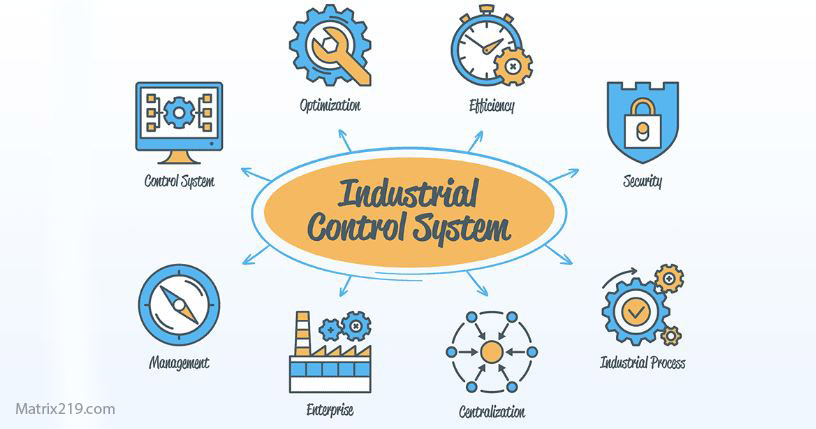
Industrial Control Systems (ICS) are technologies used to monitor and control industrial processes. They include:
-
SCADA systems
-
Distributed Control Systems (DCS)
-
Programmable Logic Controllers (PLCs)
Unlike traditional IT systems, ICS environments are designed to ensure availability and reliability, often at the expense of security controls.
This design philosophy creates structural weaknesses that are difficult to retrofit later.
Why ICS Security Failures Are So Common
Security Was Never a Design Priority
Many ICS components were created decades ago in an era where:
-
Internet connectivity was minimal
-
Threat models focused on physical sabotage
-
Internal trust was assumed
As a result, basic protections like authentication, encryption, and logging are often missing or limited.
These architectural limitations directly contribute to critical infrastructure cybersecurity risks
Long System Lifecycles
ICS equipment is expected to operate for 15–30 years. During that time:
-
Vendors may stop supporting software
-
Security patches become unavailable
-
Upgrades are delayed to avoid downtime
This creates environments where known vulnerabilities remain exploitable for years.
Operational Constraints Limit Patching
Unlike IT systems, ICS environments cannot be patched casually.
Challenges include:
-
Risk of disrupting physical processes
-
Lack of testing environments
-
Limited maintenance windows
As a result, organizations often accept known risks rather than introduce operational instability.
Common Types of ICS Security Failures
Weak or Shared Credentials
Many ICS environments still rely on:
-
Default passwords
-
Shared operator accounts
-
Hardcoded credentials in devices
Once accessed, attackers can move freely without triggering alarms.
Flat Network Architecture
ICS networks are often poorly segmented.
This means:
-
A breach in IT can reach OT systems
-
Malware can propagate unchecked
-
Incident containment becomes difficult
These failures blur the line between technical malfunction and malicious activity, complicating power grid failure vs cyberattack
Insecure Remote Access
Remote access is essential for modern operations, but it is frequently:
-
Exposed to the internet
-
Poorly monitored
-
Insufficiently restricted
Attackers commonly exploit remote access pathways as initial entry points.
Why ICS Failures Are Hard to Detect
ICS attacks often do not resemble traditional cyber incidents.
Characteristics include:
-
Slow manipulation of parameters
-
Intermittent disruptions
-
Delayed physical effects
This makes forensic analysis challenging and delays recognition of malicious intent, especially when attribution is involved, as discussed in cyberattack attribution challenges
Real-World Consequences of ICS Security Failures
Security failures in ICS environments can lead to:
-
Equipment damage
-
Safety hazards for personnel
-
Extended service outages
-
Loss of public trust
These outcomes explain why infrastructure incidents quickly escalate into national or geopolitical concerns, often associated with state-sponsored cyber operations explained
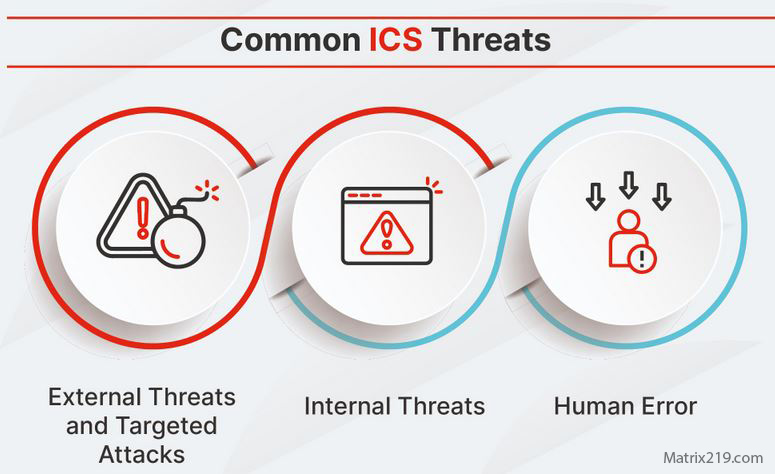
ICS malware in critical infrastructure
Why Traditional IT Security Models Fail in ICS
Applying standard IT security tools directly to ICS environments often fails because:
-
They generate excessive false positives
-
They lack awareness of physical processes
-
They may interfere with real-time operations
ICS security requires specialized approaches aligned with operational realities.
Addressing ICS Security Failures Without Breaking Operations
Reducing failures does not require complete system replacement.
Effective strategies include:
-
Strict network segmentation
-
Role-based access control
-
Passive monitoring tools
-
Incident response plans tailored to OT environments
These defensive principles form the foundation of critical infrastructure cyber defense strategies
Conclusion
Industrial control system security failures persist because these systems were never built to face modern cyber threats. Long lifecycles, operational constraints, and architectural limitations make rapid improvement difficult, but not impossible.
Understanding why ICS failures occur is a critical step toward realistic risk reduction. As infrastructure becomes more connected, ignoring these weaknesses is no longer an option—security must evolve alongside operational demands.