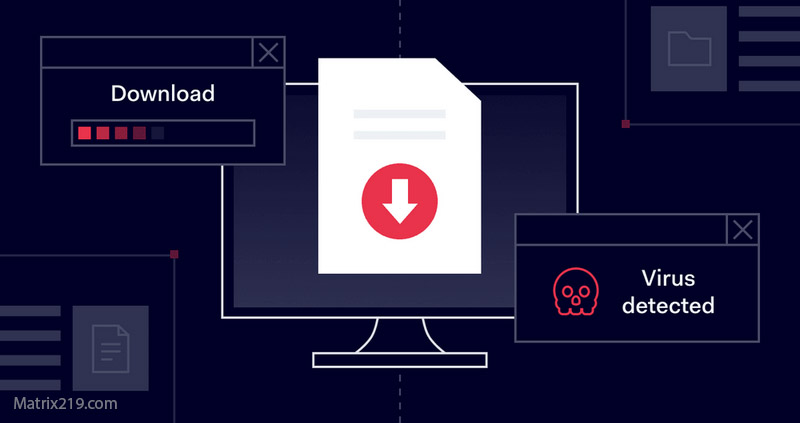
Typing is “antivirus free download” dangerous into a search bar in 2026 is not paranoia—it’s awareness. This phrase sits at the center of one of the most abused areas in cybersecurity. While legitimate companies do offer real free antivirus software, attackers know that users searching for protection are often anxious, rushed, and willing to click quickly.
The danger isn’t the idea of free antivirus itself. The danger lies in how and where people download it. Fake security tools, repackaged installers, and malicious ads deliberately target this exact search intent. In many real-world cases, systems get infected while users are trying to secure them.
This article explains why this keyword is risky, what makes some downloads genuinely dangerous, and how to protect yourself without falling into common traps.
Quick Navigation
Why this search term attracts attackers
The phrase “antivirus free download” is attractive to scammers because:
-
Users expect ads and pop-ups
-
Many don’t know official vendor names
-
Urgency lowers skepticism
Attackers exploit fear-based decisions, not technical ignorance. A convincing page plus the right wording is often enough.
For the broader framework on choosing safe free protection: best free antivirus in 2026
When free antivirus downloads are actually safe
Free antivirus downloads are not automatically dangerous when:
-
They come from official vendor websites
-
The product is well-known and documented
-
The installer is clean and direct
-
The download process is transparent
Legitimate vendors don’t hide installers behind fake alerts or pressure tactics.
The real dangers behind unsafe downloads
Dangerous “antivirus free download” sources often involve:
-
Fake antivirus that creates false alerts
-
Installers bundled with adware or spyware
-
Tools that disable real system protection
-
Malware disguised as security software
Because antivirus runs with high system permissions, a fake one can do serious damage quietly.
Fake antivirus vs real free antivirus
The difference is subtle but critical:
Fake antivirus usually:
-
Claims your PC is already infected
-
Uses countdowns or scare messages
-
Demands immediate action
Real free antivirus:
-
Lets you download without pressure
-
Explains features and limitations clearly
-
Doesn’t claim infection before scanning
Fear-based messaging is the biggest red flag.
Why download portals increase risk
Many users don’t realize that:
-
Download portals often repackage installers
-
Extra software is added “optionally”
-
Tracking and ad components are bundled
Even if the antivirus itself is legitimate, the delivery method can introduce risk.
For safe download fundamentals: Antivirus Free Download: What’s Safe in 2026?
Operating system differences in risk
Risk varies by platform:
-
Windows: highest risk due to executable installers
-
Android: risk from APK files outside Play Store
-
iOS: lower malware risk, higher phishing risk
Understanding platform-specific threats reduces exposure.
For OS-specific context:
Best Free Antivirus for Windows 11 in 2026
Best Free Antivirus for Android Phones
Why “cracked” antivirus is extremely dangerous
Some users search for:
-
“Unlocked premium antivirus”
-
“Antivirus free full version”
This is one of the worst security decisions possible. Modified antivirus software can:
-
Spy on all system activity
-
Disable real protection silently
-
Create persistent backdoors
A compromised antivirus has more power than most malware.
How to verify a safe antivirus download
Before installing, always:
-
Check the domain name carefully
-
Verify the vendor’s reputation
-
Avoid ads and sponsored links
-
Scan the installer with built-in OS tools
If something feels rushed or forced, stop.
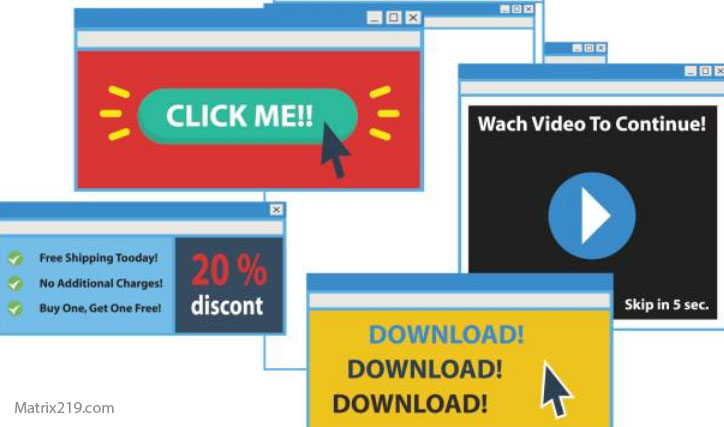
How to verify a safe antivirus download
When free antivirus downloads become a smart choice
Free antivirus downloads are reasonable if:
-
You know the vendor
-
You use official sources only
-
You understand feature limitations
Free does not equal unsafe—careless downloading does.
Final answer
So, is “antivirus free download” dangerous in 2026?
It can be—but only when users take shortcuts. The real risk isn’t free antivirus software; it’s fake delivery channels, misleading promises, and fear-driven clicks. When downloaded responsibly, free antivirus remains a valid and useful layer of protection.
For the complete safe-selection guide and platform comparisons, revisit: best free antivirus in 2026
FAQ
Is free antivirus itself dangerous?
No. Reputable free antivirus tools are safe when downloaded from official sources.
Why are fake antivirus sites so common?
Because fear-based searches convert well and antivirus software requires high permissions.
Can antivirus downloads include malware?
Fake or repackaged installers often do. Legitimate ones do not.
Are sponsored search results safe?
Not always. Ads are frequently used to distribute fake security tools.
What’s safer: free antivirus or none at all?
A reputable free antivirus is far safer than no protection—if downloaded correctly.