The question is free antivirus enough for hack protection comes up a lot in 2026—and it’s a fair one. Headlines talk about hacks, data breaches, ransomware, and account takeovers almost daily. That creates a natural concern: can free antivirus software actually stop hackers, or is it just basic malware protection?
The short answer is nuanced. Free antivirus tools do protect against many attack methods—but hacking today rarely looks like someone “breaking in” through a single technical flaw. Most successful hacks rely on phishing, stolen credentials, malicious downloads, or social engineering. Understanding how hacks really happen is key to knowing what free antivirus can and cannot do.
This article explains what hack protection actually means in practice, where free antivirus is effective, and where its protection realistically ends.
Quick Navigation
What “hack protection” really means in 2026
Hacking is no longer just about exploiting software bugs. Modern attacks usually involve:
-
Phishing emails and fake login pages
-
Malicious downloads disguised as legitimate tools
-
Credential theft through social engineering
-
Exploiting unpatched systems or weak passwords
Antivirus software mainly addresses malware-based entry points, not every form of attack.
For the full security landscape context: best free antivirus in 2026
What free antivirus can protect you from
Reputable free antivirus tools are effective at:
-
Blocking known malware and trojans
-
Stopping malicious installers and downloads
-
Detecting suspicious behavior from files
-
Providing basic real-time protection
These protections stop many attacks before they turn into full compromises.
Where free antivirus protection falls short
Free antivirus is limited against:
-
Phishing sites that steal passwords
-
Account takeover using leaked credentials
-
Attacks exploiting weak or reused passwords
-
Social engineering over email or messaging apps
These attacks don’t always involve malware—so antivirus alone can’t stop them.
Malware vs hacking: a critical distinction
Many users equate “hacked” with “infected,” but they’re different:
-
Malware infection: Antivirus is very effective
-
Account compromise: Antivirus may not help at all
If someone logs into your account using a stolen password, no antivirus can detect that.
How hackers bypass antivirus protection
Common bypass methods include:
-
Convincing users to install “legitimate” software
-
Using scripts and fileless attacks
-
Exploiting user-granted permissions
-
Targeting browsers and online accounts
Antivirus reduces risk—but it doesn’t eliminate user-driven mistakes.
Free antivirus vs paid tools for hack protection
Paid security tools often add:
-
Advanced phishing protection
-
Ransomware rollback and recovery
-
Network and identity monitoring
-
Dark web credential alerts
Free antivirus focuses on prevention, not damage control or identity protection.
For that comparison: Free Antivirus Download vs Paid: Real Differences
The role of built-in system security
Modern operating systems already include:
-
Firewalls
-
Exploit mitigation
-
Account protection features
Free antivirus works best when combined with these—not when used alone.
For Windows users: Free Antivirus vs Windows Defender in 2026
What actually improves hack protection the most
Beyond antivirus, the biggest security gains come from:
-
Strong, unique passwords
-
Two-factor authentication
-
Keeping systems and browsers updated
-
Avoiding unknown links and downloads
Antivirus is one layer—not the whole strategy.
When free antivirus is enough
Free antivirus may be enough if:
-
You’re a home user
-
You browse cautiously
-
You don’t manage sensitive business data
-
You use strong account security
In these cases, it significantly reduces common risks.
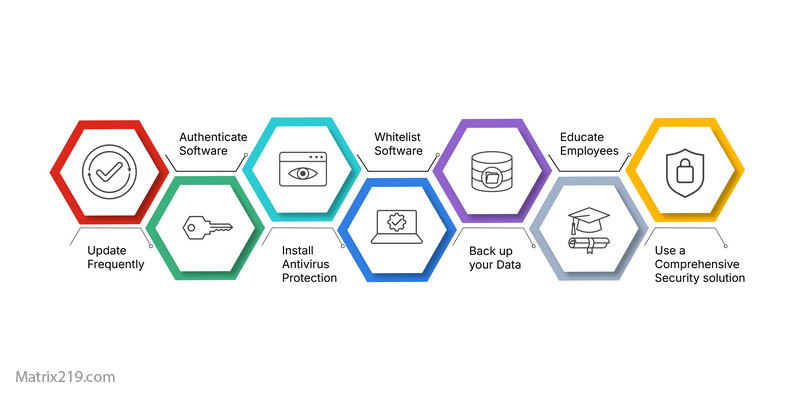
When free antivirus is enough against ransomware
When it’s not enough
Free antivirus alone is not sufficient if:
-
You handle financial or business-critical data
-
You’re frequently targeted or public-facing
-
You reuse passwords across services
-
You rely heavily on email and file sharing
Here, additional security layers are justified.
Final answer
So, is free antivirus enough for hack protection in 2026?
It’s enough to block many malware-based attacks—but not enough to protect against every form of hacking. Free antivirus is a strong first line of defense, not a complete shield. True hack protection combines antivirus, system security, and smart user behavior.
For a complete, realistic security framework built around free tools, revisit: best free antivirus in 2026
FAQ
Can free antivirus stop hackers completely?
No. It blocks malware but can’t prevent account theft or phishing on its own.
Does antivirus protect online accounts?
Not directly. Account security depends on passwords and two-factor authentication.
Can hackers bypass antivirus?
Yes—especially through social engineering and user-approved actions.
Is paid antivirus better for hack protection?
Paid tools add recovery, identity monitoring, and phishing protection—but behavior still matters.
What’s the biggest weakness in most hacks?
User behavior, not the lack of antivirus software.