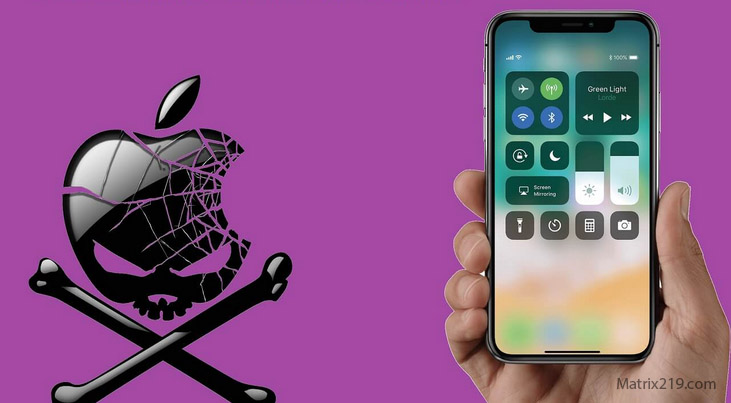
Jailbreak & hacking are often discussed together—but they are not the same thing. Jailbreaking removes Apple’s built-in restrictions, which can be useful for customization, yet it also reshapes the entire security model of the iPhone. After a hacking incident, a jailbroken iPhone cannot be treated like a standard iOS device. Many protections you normally rely on simply aren’t there.
This article explains how jailbreaking changes iPhone security, how attackers exploit jailbroken environments, why common recovery steps can fail, and when cleanup is realistic versus when replacement is the safer choice. The goal is to help you make a risk-based decision—not rely on false confidence.
Quick Navigation
What Jailbreaking Actually Changes on iPhone
Jailbreak alters trust boundaries.
Security changes introduced by jailbreak
-
Apps can escape Apple’s sandboxing rules
-
System files and services become modifiable
-
Unsigned code can run persistently
-
Monitoring tools can hide at the system level
These changes don’t automatically mean compromise—but they magnify damage if a hack occurs.
For the broader incident framework, review: If Your Phone Is Hacked: How to Know, What to Do, and How to Stay Safe
Why Jailbroken iPhones Are Higher Risk After Hacking
Once jailbroken, containment is harder.
What attackers gain in jailbroken environments
-
Persistence across reboots
-
Ability to hook system processes
-
Silent data access without permission prompts
-
Techniques that survive basic cleanup
This is why symptoms often return even after app removals.
For iPhone-specific response context, see: If your iPhone is hacked
Common Ways Jailbroken iPhones Get Compromised
Most incidents are not random.
Typical compromise paths
-
Third-party tweaks from untrusted repositories
-
Pirated apps bundled with malicious code
-
SSH or remote services left exposed
-
Old jailbreak tools without current patches
Attackers often target convenience choices, not advanced exploits.
If you’re still validating whether compromise is real, review: If your phone is hacked how to know
Why Antivirus and “Security Apps” Don’t Save Jailbroken Phones
iOS security assumptions no longer hold.
Why detection is unreliable
-
Malware can hook system calls
-
Files can be hidden from user-space scans
-
Tweaks can disable alerts or indicators
“No alerts” is not evidence of safety on a jailbroken device.
Related limits explained here: Can antivirus detect phone hacking
Factory Reset on a Jailbroken iPhone: Why It Can Fail
Resetting is not always a clean slate.
Why resets may not work
-
Modified system components persist
-
Backups restore jailbreak-related artifacts
-
Jailbreak remnants re-enable access
Before attempting reset, understand its limits: Factory reset: when it works & when it doesn’t
When a Jailbroken iPhone Can Be Recovered
Recovery is possible—but narrow.
Recovery may be realistic if:
-
You can restore a fresh, official iOS image via DFU
-
The jailbreak is fully removed (not just hidden)
-
Apple ID and email are secured before restore
Recovery is unreliable if:
-
You don’t know which tweaks were installed
-
System behavior remains unstable
-
Access reappears after clean restores
In these cases, repeating the same steps increases risk.
For correct sequencing, review: Remove hacker access safely
When Replacement Is the Safer Decision
Replacement is sometimes the rational choice.
Replace the device if:
-
Financial or work data was exposed
-
Persistent system-level behavior continues
-
You cannot verify a clean system state
After replacement, harden accounts first to prevent follow-on compromise.
For the complete recovery order, see: If Your Phone Is Hacked: Step-by-Step Recovery Guide (Android & iPhone)
Jailbreak vs Root: Similar Risk, Different Mechanics
They share a pattern—different execution.
Key differences
-
Jailbreak (iPhone): bypasses Apple’s sandbox and signing
-
Root (Android): grants full system privileges
Both significantly reduce recovery reliability after hacking.
Why Jailbreaking Is Rarely Worth the Risk Today
The trade-off has shifted.
Modern downsides
-
Breaks security assumptions
-
Complicates incident response
-
Blocks banking and work apps
-
Makes “trusting the device again” harder
Most customization benefits no longer justify the risk profile.
Independent security research and incident reports consistently show that jailbroken iPhones experience higher persistence of malicious components after compromise, which is why full OS restore or device replacement is often recommended once trust is lost iOS jailbreak persistence and recovery analysis
Frequently Asked Questions
Is jailbreaking itself illegal or hacking?
No—but it removes protections that limit hacking damage.
Can a jailbroken iPhone ever be trusted again?
Only after a verified clean restore and account hardening.
Does hiding the jailbreak fix the risk?
No. Hidden jailbreaks still change system behavior.
Are jailbroken phones targeted more often?
Yes—because persistence is easier.
Should I jailbreak again after recovery?
Strongly discouraged if security matters.