Job Scams and Fake Hiring Offers exploit urgency, hope, and financial pressure—especially during career transitions. In 2026, these scams look professional, use real company names, and mimic legitimate hiring processes to extract money, personal data, or account access.
Fraudsters know that job seekers expect outreach, interviews, and document requests. By mirroring normal recruitment steps, scams blend into the background of real opportunities.
This article explains how job scams work, how to spot fake hiring offers early, and how to protect yourself while searching for work.
Why Job Seekers Are Prime Targets
Job searches create asymmetry.
Candidates want quick responses and validation. Employers control timelines. Scammers exploit this imbalance by offering speed, certainty, and reassurance—things real hiring rarely provides.
Urgency replaces verification.
Common Types of Job Scams
Most job scams follow repeatable patterns.
These include fake remote jobs, reshipping scams, mystery shopper offers, upfront fee jobs, check overpayment schemes, and impersonation of real companies or recruiters.
The role may sound appealing. The process is the giveaway.
Impersonation of Real Companies
Scammers frequently impersonate legitimate organizations.
They copy job listings, logos, and recruiter names from real companies. Communication often occurs via personal email addresses or messaging apps instead of corporate domains.
Brand familiarity lowers suspicion.
Fake Interviews and Scripted Processes
Many job scams include interviews.
These may happen via chat, email, or messaging apps and follow structured scripts. The presence of an “interview” convinces victims the opportunity is real.
Process does not equal legitimacy.
Requests That Signal a Scam
Job scams usually escalate with requests.
Common red flags include:
-
Upfront fees for training, equipment, or background checks
-
Requests for personal documents too early
-
Sending checks and asking for partial refunds
-
Pressure to act quickly without verification
Legitimate employers do not charge candidates.
Requests That Signal a Scam
Payment and Banking Traps
Some job scams involve payments.
Victims may be sent fake checks, asked to buy equipment, or instructed to move money on behalf of the “company.” These actions often lead to bank fraud or account freezes.
Jobs do not require financial risk from candidates.
Data Harvesting Through Fake Applications
Even when no money is requested, data theft may be the goal.
Fake job applications collect personal details, IDs, and account information that can be used for identity theft or further scams.
Silence after submission is often intentional.
How to Verify Job Offers Safely
Verification should be independent.
Check official company websites, contact HR directly using public contact details, and confirm recruiter identities on professional networks. Be cautious with offers that skip standard steps.
If verification feels discouraged, that is information.
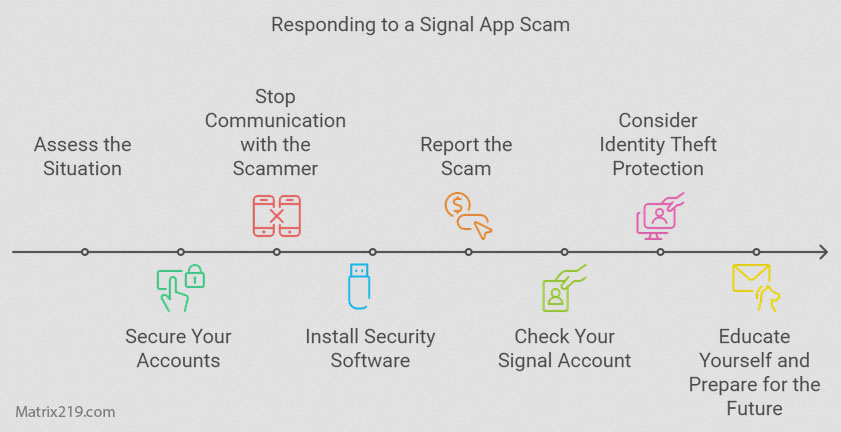
What To Do If You Engaged With a Job Scam
If you interacted:
-
Stop communication
-
Secure accounts and change passwords
-
Monitor bank and credit activity
-
Report the listing to the platform
Early action reduces secondary damage.
Why Job Scams Lead to Follow-Up Fraud
Job scam victims are often targeted again.
Scammers may offer “placement help,” “recovery services,” or new opportunities. Awareness after a scam is critical.
One scam attempt often invites another.
Searching for Work Without Fear
Job searching does not require paranoia.
Stick to reputable platforms, verify independently, avoid financial requests, and trust discomfort when processes feel rushed or informal.
Boundaries protect opportunity.
Job Scams in the Broader Fraud Ecosystem
Job scams intersect with impersonation, payment fraud, and identity theft.
Understanding them strengthens defenses across personal and professional digital life.
For the full fraud framework this article supports, see: Online Scams & Digital Fraud: How to Spot, Avoid, and Recover (2026 Guide)
FAQ
Do real employers ever charge candidates?
No. Any upfront fee is a red flag.
Are chat-based interviews always scams?
Not always, but they require verification.
Can scammers use real company names legally?
They do it illegally, but it’s common.
Why are remote jobs heavily targeted?
They lower verification and increase reach.
Should job scams be reported?
Yes. Reporting helps protect others.