Kids’ phones & spying apps raise a difficult question for parents: how do you protect a child without crossing into harmful surveillance? Phones used by children are uniquely vulnerable—not just to hackers, but to stalkerware, abusive monitoring apps, and unsafe permissions that are often installed by adults “for safety.”
This guide explains how spying apps end up on kids’ phones, how to tell the difference between legitimate parental controls and dangerous surveillance tools, and how to protect children’s privacy and safety without creating fear or mistrust. The goal is protection, not control.
Quick Navigation
Why Children’s Phones Are High-Risk
Kids’ phones face different threats than adult devices.
Why attackers and abusers target kids’ phones
-
Children are less aware of permissions
-
Parents often install monitoring apps without full review
-
Devices are shared or configured by adults
-
Accounts may lack strong security controls
This makes silent monitoring easier—and harder to notice.
For the broader incident context, review: If Your Phone Is Hacked: How to Know, What to Do, and How to Stay Safe
The Difference Between Parental Control and Spyware
Not all monitoring tools are equal.
Legitimate parental control apps
-
Clearly visible to the child
-
Limited to location, screen time, and app usage
-
Installed through official app stores
-
Easy to remove with parent approval
Dangerous spying or stalkerware apps
-
Hidden icons or no icon at all
-
Access to messages, calls, or microphones
-
Uses accessibility or device admin permissions
-
Installed secretly or without explanation
Understanding this difference is critical.
Warning Signs of Spying Apps on a Child’s Phone
Children rarely report what they don’t understand.
Red flags parents should watch for
-
Phone overheating or fast battery drain
-
Settings that can’t be changed
-
Unknown apps with broad permissions
-
Phone behavior changes after adult access
For technical detection help, see: Unknown apps & permissions explained
How Spying Apps Are Installed on Kids’ Phones
Installation is usually physical—not remote.
Common installation paths
-
An adult has brief physical access
-
A “safety” app is installed during setup
-
Apps are restored from old backups
-
Device admin or accessibility is enabled quietly
This makes prevention about process, not paranoia.
What to Do If You Suspect Spying on a Child’s Phone
Handle this carefully—emotion matters.
Safe response steps
-
Don’t accuse or panic
-
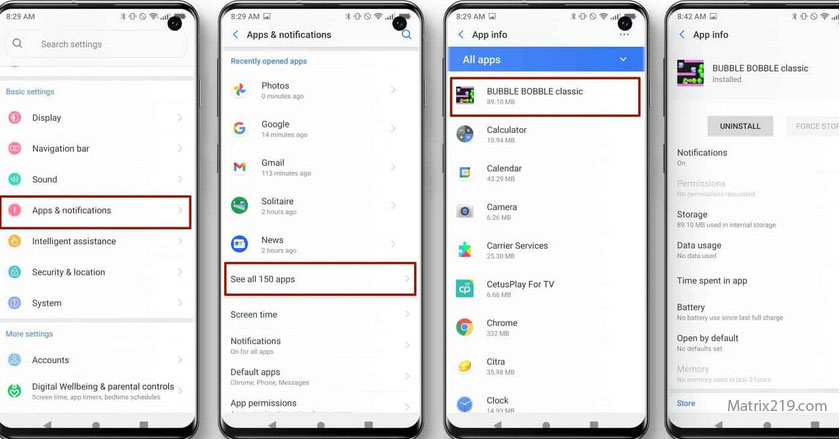
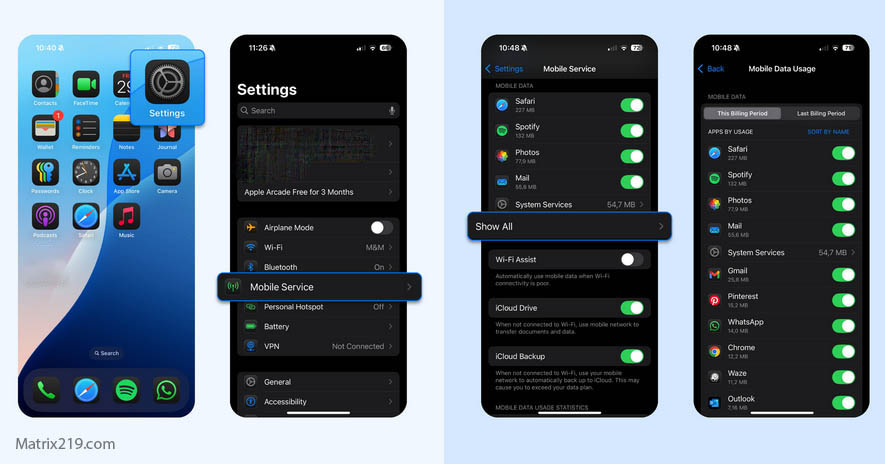
Review apps and permissions together
-
Remove unknown or hidden apps
-
Change account passwords from a clean device
If phone compromise is suspected, follow: What to do immediately if your phone is hacked
And for full cleanup sequencing: If Your Phone Is Hacked: Step-by-Step Recovery Guide (Android & iPhone)
If Your Phone Is Hacked Step-by-Step Recovery Guide Android & iPhone
Talking to Kids About Phone Safety and Privacy
Trust is part of security.
Healthy conversation principles
-
Explain why certain protections exist
-
Avoid secret monitoring
-
Encourage kids to report strange behavior
-
Teach basic permission awareness
Children who understand why are safer than children who are watched silently.
When Parental Control Is Appropriate
Monitoring isn’t always wrong—but it must be ethical.
Best practices for parental control
-
Use built-in OS tools when possible
-
Keep monitoring visible and limited
-
Review settings together regularly
-
Remove controls as children mature
Hidden surveillance often causes more harm than good.
When to Escalate or Seek Help
Some situations go beyond tech.
Escalate if:
-
Monitoring is tied to abuse or coercion
-
Apps reinstall themselves repeatedly
-
The child feels unsafe or anxious
In these cases, prioritize the child’s well-being and seek professional or legal guidance if needed.
Security and child-safety research consistently warns that covert surveillance apps can normalize privacy violations and increase harm, which is why transparency and consent-based controls are strongly recommended for protecting minors’ digital lives Child digital safety and surveillance app risks overview
Frequently Asked Questions
Are all parental control apps bad?
No. Transparent, limited tools are often appropriate.
Can kids’ phones be hacked like adults’?
Yes—and often more easily due to weaker controls.
Should children have administrator access?
Usually no. Adults should manage settings openly.
Is it illegal to spy on a child’s phone?
Laws vary, but secret surveillance can create legal and ethical issues.
How do I balance safety and privacy?
Use visible controls, open communication, and regular reviews.