
Legacy infrastructure and cybersecurity debt represent one of the most persistent and least visible risks in critical systems. Power grids, water facilities, and transportation networks often rely on technologies installed decades ago—long before modern cyber threats existed. While these systems continue to function operationally, their accumulated security gaps grow silently over time.
Cybersecurity debt builds when organizations delay upgrades, defer patches, or accept insecure configurations to maintain availability. In critical infrastructure, this trade-off is common—and dangerous. This article explains what cybersecurity debt means in legacy environments, why it accumulates, and how it increases the likelihood of large-scale disruption.
Quick Navigation
What Is Legacy Infrastructure?
Legacy infrastructure refers to systems that:
-
Were deployed many years ago
-
Remain operational beyond their intended lifecycle
-
Are difficult or costly to replace
In power systems, this often includes:
-
Aging control hardware
-
Unsupported operating systems
-
Custom-built industrial software
These components are deeply embedded in environments affected by industrial control system security failures
Understanding Cybersecurity Debt
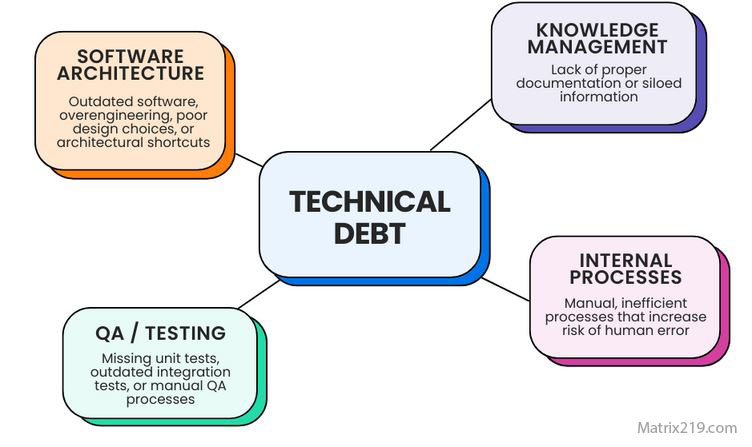
Cybersecurity debt is similar to technical debt, but with higher stakes.
It accumulates when:
-
Known vulnerabilities remain unpatched
-
Security controls are postponed
-
Temporary workarounds become permanent
Each deferred decision increases long-term risk, especially within critical infrastructure cybersecurity risks
Why Legacy Systems Accumulate Security Debt
Long Operational Lifecycles
Critical infrastructure systems are expected to run for decades. During that time:
-
Vendors may discontinue support
-
Security standards evolve
-
Threat actors become more capable
What was once acceptable becomes dangerously outdated.
Fear of Downtime
Operators often avoid changes because:
-
Shutdowns may disrupt essential services
-
Testing environments are limited
-
Failures could have safety implications
As a result, insecure systems remain in production far longer than they should.
Incompatibility With Modern Security Tools
Many legacy systems:
-
Cannot support encryption
-
Lack authentication mechanisms
-
Are incompatible with modern monitoring tools
This limits visibility and makes it harder to distinguish normal failures from malicious activity, complicating power grid failure vs cyberattack
How Cybersecurity Debt Increases Attack Impact
Legacy systems with accumulated debt allow attackers to:
-
Exploit well-documented vulnerabilities
-
Move laterally with minimal resistance
-
Maintain persistence undetected
Even unsophisticated attackers can cause serious disruption when defenses are outdated.
When incidents occur, determining responsibility becomes more complex, tying directly into cyberattack attribution challenges
legacy infrastructure cybersecurity debt
The Role of Legacy Infrastructure in Nation-State Targeting
Advanced threat actors actively seek legacy environments because:
-
Exploits are reliable
-
Detection capabilities are weaker
-
Recovery is slower
These characteristics align with tactics seen in state-sponsored cyber operations explained
Managing Cybersecurity Debt Without Full Replacement
Eliminating legacy systems overnight is unrealistic. Effective risk reduction focuses on:
-
Network segmentation around legacy assets
-
Strict access control and monitoring
-
Virtual patching and compensating controls
-
Prioritized upgrade roadmaps
These measures form part of broader critical infrastructure cyber defense strategies
Measuring and Prioritizing Cybersecurity Debt
Organizations should assess:
-
Asset age and support status
-
Exposure to external networks
-
Criticality of the controlled process
-
Availability of compensating controls
Not all debt can be resolved immediately, but unmanaged debt guarantees future incidents.
Conclusion
Legacy infrastructure and cybersecurity debt are not abstract risks—they are active contributors to modern infrastructure failures. Systems built for reliability now operate in threat environments they were never designed to face.
Recognizing and managing cybersecurity debt is essential for reducing the likelihood that technical weaknesses turn into public crises. In critical infrastructure, delaying security improvements does not preserve stability—it quietly undermines it.