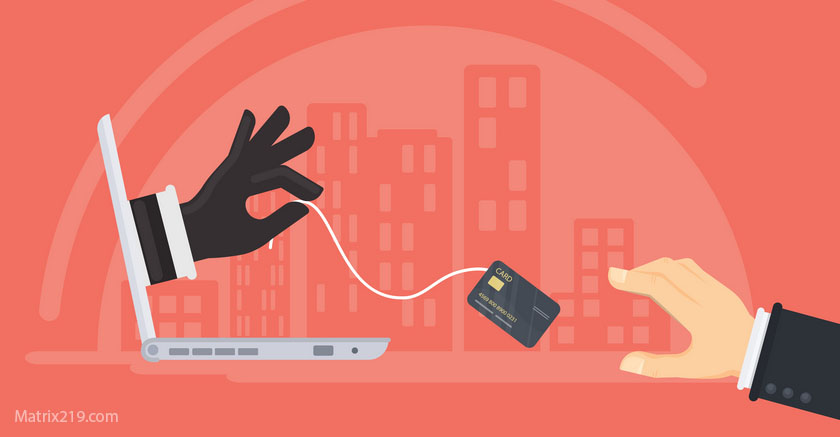
Marketplace and Online Shopping Scams thrive wherever buyers and sellers interact at scale. As e-commerce platforms, social marketplaces, and peer-to-peer selling grow, scammers exploit trust, speed, and informal transactions to steal money without delivering goods.
In 2026, shopping scams are no longer limited to sketchy websites. They appear on legitimate platforms, inside real conversations, and through accounts that look established. Understanding how these scams operate is essential to shopping safely without constant fear.
This article explains the most common marketplace scams, how fake sellers manipulate buyers, and how to avoid losses before payment is sent.
Why Marketplaces Are Prime Targets for Scammers
Marketplaces are built for speed and convenience. Buyers want deals, sellers want fast transactions, and platforms encourage quick decisions.
Scammers exploit this by creating urgency, offering limited availability, or pushing transactions off-platform where protections disappear. Once payment is made outside official systems, recovery becomes difficult.
Speed is the scammer’s ally.
Common Types of Marketplace Scams
Most marketplace scams follow recognizable patterns.
These include fake listings with stolen photos, non-existent items priced attractively, sellers requesting deposits, counterfeit products presented as genuine, and resale scams involving tickets or limited items.
Some scammers operate briefly and disappear. Others build profiles over time before striking.
Fake Sellers on Legitimate Platforms
One of the most dangerous aspects of shopping scams is legitimacy by association.
Scammers use real platforms to borrow trust. A familiar interface lowers suspicion even when the seller is unverified or new.
Platform presence does not equal seller legitimacy.
The Push to Move Off-Platform
A major red flag is being asked to continue the transaction outside the platform.
Scammers may suggest direct bank transfers, wire services, crypto payments, or messaging apps to “avoid fees” or “speed things up.” This removes buyer protections and dispute mechanisms.
Leaving the platform removes your safety net.
Payment Methods That Increase Risk
Certain payment methods are favored by scammers because they are hard to reverse.
These include wire transfers, gift cards, crypto payments, and direct peer-to-peer transfers. Once sent, funds are usually gone.
Protected payment systems exist for a reason.
Too-Good-To-Be-True Pricing
Unusually low prices create urgency and override caution.
Scammers price items just low enough to feel like a lucky deal, not an obvious scam. This sweet spot triggers fear of missing out.
A deal that pressures you to act fast is not a deal.
Fake Shipping and Tracking Tricks
Some scammers provide fake shipping confirmations or tracking numbers.
These delays buy time while the scammer disappears or prepares additional excuses. Tracking numbers may be real—but unrelated to your purchase.
Shipping proof should be verifiable within the platform.
Buyer Protections: What They Do and Don’t Cover
Marketplace protections help—but only within defined rules.
Protections usually require:
-
Staying on-platform
-
Using approved payment methods
-
Reporting within time limits
Once you step outside these boundaries, protections often vanish.
Understanding the rules before buying is part of safe shopping.
What To Do If You’ve Been Scammed While Shopping
If you suspect a shopping scam:
-
Stop communicating with the seller
-
Document listings, messages, and receipts
-
Report the seller to the platform immediately
-
Contact your payment provider
Speed increases the chance of partial recovery or account action.
Why Shopping Scams Lead to Follow-Up Attacks
Victims of shopping scams are often targeted again.
Scammers sell “victim lists” or follow up with fake recovery offers. Awareness after a scam is critical to avoid compounding losses.
One scam attempt often invites another.
Shopping Safely Without Becoming Cynical
Safe shopping relies on rules, not distrust.
Stick to platforms, verify sellers, avoid urgency, use protected payments, and trust your discomfort when something feels rushed.
Caution is not paranoia—it is informed participation.
Marketplace Scams in the Bigger Fraud Picture
Shopping scams often intersect with impersonation, account takeover, and payment fraud.
Understanding them strengthens defenses across the entire digital fraud ecosystem.
For the full fraud framework this article supports, see: Online Scams & Digital Fraud: How to Spot, Avoid, and Recover (2026 Guide)
FAQ
Are all marketplace deals risky?
No. Risk increases when protections are bypassed.
Can verified sellers still scam?
Yes, especially if accounts are compromised.
Is paying outside the platform ever safe?
No. It removes buyer protections.
Do platforms refund scam purchases?
Sometimes—if rules were followed.
Why are shopping scams so common?
They scale easily and exploit urgency.