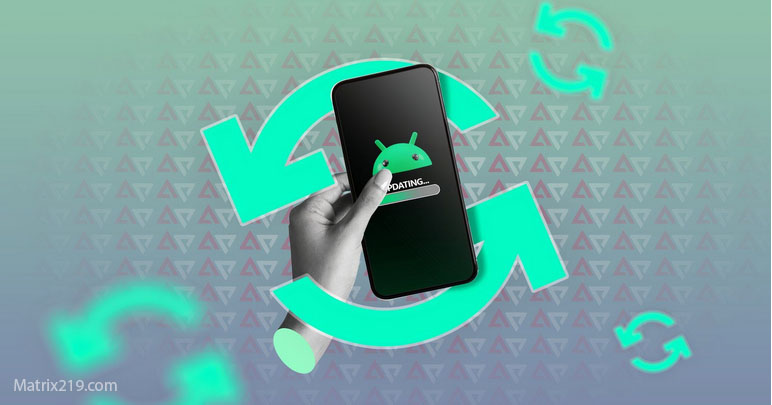
Mobile OS Updates and Security Patches play a critical role in protecting phones from spyware and surveillance. While updates are often viewed as optional or inconvenient, delaying them significantly increases exposure to known vulnerabilities.
Most mobile spyware does not rely on brand-new exploits. It targets weaknesses that are already documented but remain unpatched on outdated devices. Understanding how updates actually reduce risk helps users prioritize them correctly.
This article explains why system updates matter, how spyware exploits outdated phones, and how to manage updates without disruption.
What Mobile Updates Really Do
Operating system updates do more than add features. They fix security flaws that allow unauthorized access, privilege escalation, or data leakage.
Security patches often address vulnerabilities that have already been exploited in the wild. Once a flaw becomes public, attackers race to target unpatched devices.
Updates close doors that spyware actively looks for.
How Spyware Exploits Unpatched Devices
Outdated systems provide stable attack surfaces. Spyware developers prefer known vulnerabilities because they are reliable and require less effort.
Unpatched phones may allow:
-
Silent privilege escalation
-
Bypass of permission controls
-
Persistent background access
-
System-level surveillance
Delaying updates keeps these attack paths open.
The False Comfort of “I’m Not a Target”
Many users delay updates because they believe they are unlikely targets.
In reality, spyware does not always target individuals specifically. Automated scanning and mass exploitation focus on outdated systems regardless of who owns them.
Risk is often opportunistic, not personal.
Why Updates Matter More on Mobile Than Desktop
Phones are always connected, always carried, and always logged in. A compromised phone exposes location, contacts, communications, and authentication tokens continuously.
Unlike desktops, phones rarely sit idle or offline. This makes mobile vulnerabilities far more valuable to attackers.
Updating mobile systems reduces exposure in the most sensitive environment.
Android Update Challenges
Android updates depend on device manufacturers and carriers. Some devices stop receiving security patches long before the hardware is obsolete.
Using unsupported devices significantly increases spyware risk. Even perfect habits cannot compensate for unpatched systems.
Choosing devices with long update support is a privacy decision, not just a hardware one.
iPhone Update Behavior
iPhones receive updates directly from Apple for many years. This reduces fragmentation and makes patching easier.
However, users still delay updates due to storage concerns, fear of bugs, or habit. Delays weaken one of iOS’s strongest security advantages.
Timely updates are part of the platform’s design—ignoring them undermines it.
Update Timing and Spyware Campaigns
When major vulnerabilities are disclosed, spyware campaigns often follow quickly. Attackers assume many users delay updates and exploit that window.
Updating early reduces exposure during peak attack periods.
Waiting “a few weeks” can be enough for compromise.
Managing Updates Without Disruption
Concerns about stability are understandable, but manageable.
Best practices include:
-
Enabling automatic security updates
-
Updating during low-use periods
-
Ensuring backups before major updates
These steps balance security and usability.
When Updates Are No Longer Available
If a device no longer receives security updates, it should be treated as higher risk.
Options include:
-
Replacing the device
-
Reducing sensitive usage
-
Using it as a secondary or offline device
Unsupported phones are poor choices for privacy-critical tasks.
Updates Are Preventive, Not Reactive
Updates protect against threats users never see. Their success is invisible—which makes them easy to undervalue.
Security updates work before spyware appears, not after.
For foundational context on mobile protection, see: Mobile Privacy & Spyware Detection: How to Protect Your Phone from Surveillance (2026)
FAQ
Do OS updates really stop spyware?
They close vulnerabilities that spyware relies on.
Is delaying updates dangerous?
Yes. It increases exposure to known exploits.
Are updates more important than antivirus apps?
Yes. Updates fix root-level weaknesses.
What if updates break apps?
Most issues are temporary; security risks are not.
Should I replace unsupported phones?
For privacy-critical use, yes.