Phishing Scams Explained is essential because phishing remains the entry point for most online fraud in 2026. Despite years of awareness campaigns, phishing continues to succeed—not because users are careless, but because scams have become context-aware, personalized, and emotionally precise.
Modern phishing is no longer limited to obvious fake emails. It appears in SMS messages, messaging apps, social media DMs, collaboration tools, and even inside legitimate email threads. Understanding how phishing works psychologically and technically is the fastest way to stop it before damage occurs.
This article explains how phishing scams operate, how they bypass intuition, and how users can recognize and neutralize them early.
What Phishing Really Is (Beyond Fake Emails)
Phishing is a manipulation technique, not a message format.
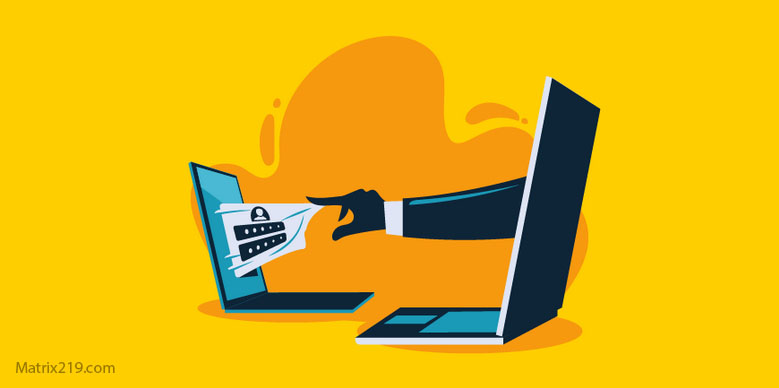
Its goal is to trick users into voluntarily giving access—credentials, codes, approvals, or sensitive information—by impersonating a trusted entity. The delivery method is secondary. What matters is trust hijacking.
Phishing often imitates banks, service providers, coworkers, delivery companies, or platforms you already use. Familiarity lowers resistance.
Why Phishing Still Works in 2026
Phishing works because it targets human decision-making under pressure.
Scammers rely on urgency, authority, and plausibility. Messages are timed around real events: password resets, invoices, deliveries, account warnings, or security alerts.
When context feels right, users act before verifying. That brief moment is where phishing succeeds.
Common Types of Phishing Attacks
Phishing appears in several dominant forms.
Email phishing impersonates services or individuals. SMS phishing (smishing) uses short, urgent messages. Voice phishing (vishing) relies on phone calls and fake support agents. Social media phishing exploits trust between contacts. Business email compromise targets organizations using realistic internal communication.
Each type differs in delivery but shares the same objective: trigger action without verification.
How Phishing Messages Bypass Red Flags
Modern phishing avoids obvious mistakes.
Scammers use correct grammar, real branding, valid HTTPS websites, and compromised legitimate domains. Some attacks hijack existing email threads, making messages appear as part of an ongoing conversation.
Because visual cues are no longer reliable, intent matters more than appearance.
The Role of Compromised Accounts
Many phishing campaigns start with account compromise.
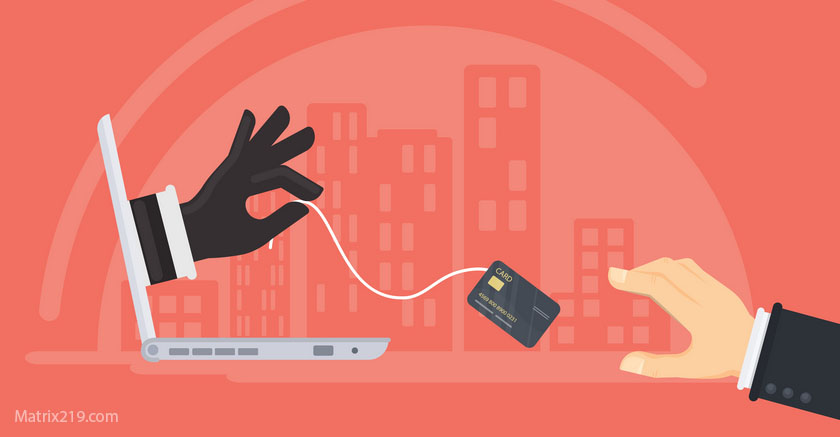
Once an attacker controls a real account, they send phishing messages to trusted contacts. This dramatically increases success rates because the sender is known.
This is why account security is central to fraud prevention, not just message filtering.
What Phishing Usually Asks For
Phishing rarely asks for money directly.
More commonly, it asks for:
-
Login credentials
-
One-time passwords
-
Verification codes
-
Approval of a request
-
Downloading a document or app
These actions create access, which is later used for fraud.
Access is more valuable than money.
Early Warning Signs That Matter
Reliable phishing indicators include:
-
Urgent requests that discourage verification
-
Requests to act outside normal processes
-
Pressure to keep the request private
-
Slight inconsistencies in tone or timing
-
Links or attachments that create unnecessary friction
Any request that bypasses standard workflows deserves skepticism.
How to Verify Without Engaging the Scam
Verification should never use the same channel as the request.
If an email claims to be from a bank, log in independently through a saved bookmark. If a coworker asks for urgent action, verify via a separate message or call.
Never click links or reply directly when verification is possible elsewhere.
Why “Just Don’t Click” Is Bad Advice
Telling users not to click ignores reality.
People click because systems are designed for speed. Effective protection focuses on slowing down decisions and validating context—not blaming behavior.
Rules beat warnings.
What To Do If You Clicked or Responded
If interaction occurred, act immediately.
Secure affected accounts, change passwords, revoke active sessions, and enable multi-factor authentication. Monitor for follow-up messages, as phishing often escalates after initial success.
Early response limits damage significantly.
Phishing as the Foundation of Digital Fraud
Most large-scale fraud begins with phishing.
Understanding phishing mechanics provides leverage against nearly all scam categories that follow.
For the full fraud framework this article supports, see: Online Scams & Digital Fraud: How to Spot, Avoid, and Recover (2026 Guide)
FAQ
Are phishing emails always obvious?
No. Many are indistinguishable from legitimate messages.
Is phishing only done via email?
No. It appears across SMS, calls, apps, and social platforms.
Can two-factor authentication stop phishing?
It helps, but phishing can still bypass it in some cases.
Why do phishing scams feel urgent?
Urgency disables verification and critical thinking.
Is everyone a potential phishing target?
Yes. Targeting depends on opportunity, not intelligence.