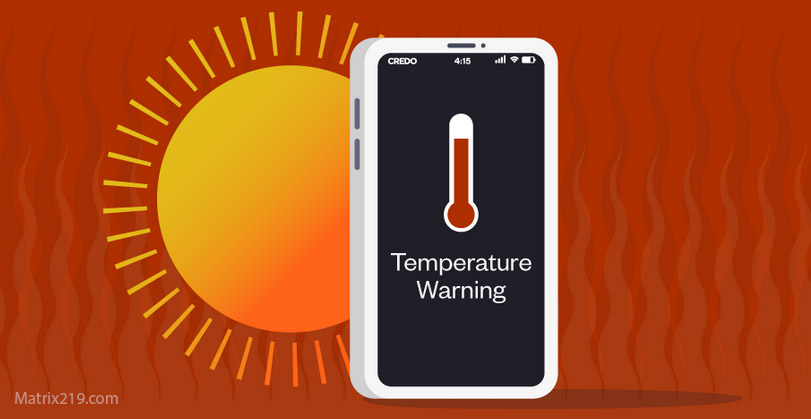
Phone overheating is one of the most misunderstood symptoms people associate with hacking. The moment a device feels unusually hot, many assume spyware or remote control is running in the background. In reality, overheating alone is not reliable proof of phone hacking—but in certain contexts, it can become a meaningful warning sign.
This article separates myth from fact. You’ll learn why phones overheat for normal reasons, when heat becomes suspicious, how attackers can cause temperature spikes, and how to evaluate overheating correctly without jumping to conclusions that could lead to the wrong actions.
Quick Navigation
Why Phones Commonly Overheat (Non-Hacking Reasons)
Most overheating cases have nothing to do with security.
Legitimate causes of phone overheating
-
Heavy app usage (gaming, video, navigation)
-
Poor signal causing constant network searching
-
OS updates, syncing, or background optimization
-
High ambient temperatures or charging issues
If overheating matches usage or environment, hacking is unlikely.
For the broader context of real compromise signals, review:
If Your Phone Is Hacked: How to Know, What to Do, and How to Stay Safe
When Overheating Can Indicate Phone Compromise
Heat becomes relevant when it appears without a clear cause.
Overheating patterns that raise concern
-
Device heating while idle
-
Heat combined with abnormal battery drain
-
Heat plus unexplained background data usage
These patterns suggest continuous background activity rather than normal use.
To evaluate whether multiple symptoms add up to hacking, see:
If your phone is hacked how to know
How Malware Can Cause Phones to Overheat
Not all malicious software behaves aggressively.
Malware that increases device temperature
-
Spyware recording continuously
-
Malware transmitting data in real time
-
Apps maintaining persistent network connections
Malware designed to avoid overheating
-
Low-frequency data exfiltration
-
Activity triggered only during phone use
Because many threats aim to stay hidden, lack of overheating does not mean safety.
Android vs iPhone: Overheating Differences
Platform architecture changes how heat symptoms appear.
Overheating on Android devices
-
Background services can run more freely
-
Permission abuse may cause constant CPU usage
Related analysis:
Signs your Android phone is hacked
Overheating on iPhones
-
More often linked to account sync or configuration profiles
-
System limits reduce visible background activity
Related analysis:
Signs your iPhone is hacked
Overheating Combined With Other Warning Signs
Heat matters most when paired with additional red flags.
High-risk symptom combinations
-
Overheating + unknown apps or permissions
-
Overheating + repeated security alerts
-
Overheating + messaging or account misuse
If multiple signals appear together, move beyond diagnosis and follow a structured response.
A full recovery sequence is outlined here:
If Your Phone Is Hacked: Step-by-Step Recovery Guide (Android & iPhone)
When Overheating Should Trigger Action
Treat overheating as a security signal if:
-
It occurs during inactivity
-
No heavy apps are running
-
It persists after restarts
At this point, isolation and account checks matter more than continued observation.
Security research shows that sustained CPU and network activity—whether malicious or legitimate—is the primary cause of mobile overheating, which is why context and correlation with other symptoms are critical for accurate diagnosis
Mobile device overheating and background process behavior
Frequently Asked Questions
Can phone overheating alone prove hacking?
No. It’s meaningful only when combined with other indicators.
Is overheating more serious than battery drain?
Often yes—especially if it happens while the phone is idle.
Do chargers cause overheating that looks like hacking?
Yes. Faulty chargers are a common false alarm.
Can spyware intentionally avoid overheating?
Yes. Many modern threats minimize resource use.
Should I reset my phone because it overheats?
Not without confirming additional security signs.