Power grid failure vs cyberattack is a distinction that often becomes blurred during large-scale electricity outages. When power goes out across cities or regions, public speculation quickly turns to hacking, sabotage, or foreign interference. In reality, most blackouts are caused by technical or operational failures—not cyberattacks.
Understanding the difference matters. Mislabeling infrastructure failures as cyber incidents can fuel misinformation, escalate political tension, and distract from real technical problems that need fixing. This article explains how power grid failures actually happen, how cyberattacks differ in behavior and indicators, and why separating the two is more complex than it appears.
Quick Navigation
How Power Grid Failures Typically Occur
Power grids are large, interconnected systems with many potential points of failure.
Common non-cyber causes include:
-
Equipment aging and degradation
-
Poor maintenance
-
Load imbalance or demand spikes
-
Weather-related damage
-
Human operational error
These failures often cascade, meaning a small fault can trigger widespread outages without any malicious involvement.
Such structural weaknesses are a core part of critical infrastructure cybersecurity risks
What a Cyberattack on a Power Grid Looks Like
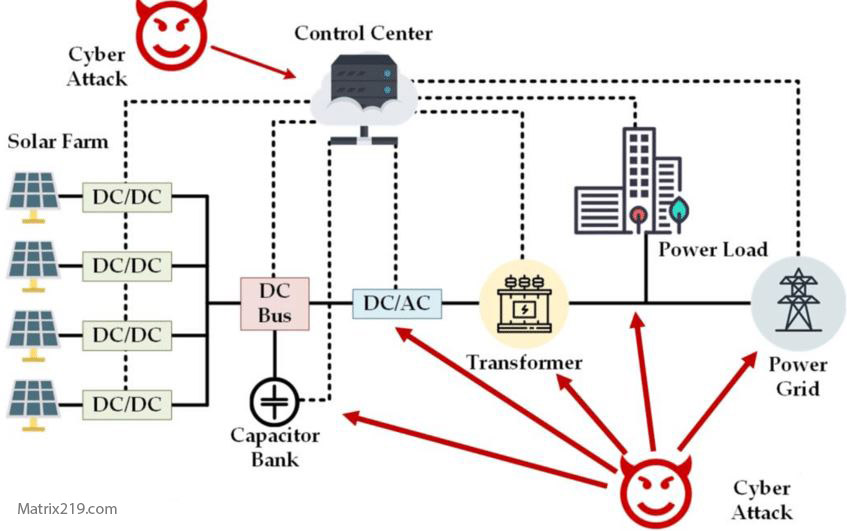
Cyberattacks on power grids usually target control and monitoring systems, not power generation itself.
Typical characteristics include:
-
Unauthorized access to SCADA or ICS systems
-
Manipulation of switching operations
-
Disabling safety mechanisms or alarms
-
Coordinated timing across multiple assets
These attacks require deep system knowledge and often exploit industrial control system security failures
Key Differences Between Grid Failure and Cyberattack
Speed and Pattern of Failure
-
Technical failures often follow predictable stress points or weather events.
-
Cyber incidents may show unusual timing, synchronized actions, or unexplained operator commands.
System Logs and Visibility
-
Mechanical or electrical failures usually leave clear physical evidence.
-
Cyber incidents may show missing logs, altered configurations, or anomalous access paths.
However, legacy systems frequently lack sufficient logging, complicating analysis.
Recovery Behavior
-
Failed equipment typically behaves consistently during recovery.
-
Cyber-compromised systems may resist restoration or revert unexpectedly after being brought back online.
Why the Difference Is Hard to Prove Quickly
In the early stages of an outage:
-
Data is incomplete
-
Systems may be offline
-
Pressure to restore service overrides forensic analysis
This makes early attribution unreliable, especially when technical failures resemble hostile activity. These uncertainties directly relate to cyberattack attribution challenges
who is responsible when critical infrastructure fails
Political Narratives and Public Assumptions
Large blackouts often trigger immediate speculation about external attackers, particularly in politically tense environments.
Governments may:
-
Attribute outages prematurely
-
Use cyber explanations to deflect internal accountability
-
Delay technical disclosures
This dynamic is common in incidents associated with state-sponsored cyber operations explained
Why Misclassification Is Risky
Incorrectly labeling a grid failure as a cyberattack can:
-
Distract from urgent infrastructure repairs
-
Create unnecessary public panic
-
Lead to flawed policy or security decisions
At the same time, dismissing cyber risks entirely can leave systems exposed.
Balanced assessment is essential.
How Investigators Actually Differentiate the Two
Investigators look for:
-
Evidence of unauthorized digital access
-
Command execution inconsistent with operator behavior
-
Malware artifacts or persistence mechanisms
-
Correlation with known threat actor techniques
This process takes time and must account for overlapping technical and human factors.
Building Resilience Regardless of Cause
Whether outages stem from failure or attack, resilience strategies overlap:
-
Network segmentation
-
Improved monitoring
-
Incident response drills
-
Clear operational procedures
These measures are central to critical infrastructure cyber defense strategies
Conclusion
Distinguishing between power grid failure and cyberattack is far more complex than public narratives suggest. Most outages originate from technical and operational weaknesses, yet cyber threats remain a real and growing concern.
Understanding the differences helps prevent misinformation, supports effective response, and ensures that infrastructure failures—whatever their cause—are addressed with accuracy rather than assumption.