Best Practices to Prevent Mobile Surveillance focus on habits, not hacks. Most mobile surveillance succeeds because of routine behaviors—granting permissions casually, reusing passwords, installing unnecessary apps, or leaving devices accessible to others.
Preventing spyware does not require constant scanning or extreme measures. It requires a small set of consistent practices that close the most common surveillance paths before they are exploited.
This article outlines the habits that actually reduce mobile surveillance risk in real-world scenarios.
Why Prevention Is More Effective Than Detection
Detecting spyware after installation is harder than preventing it. Surveillance tools are designed to hide, persist, and avoid obvious symptoms.
Prevention focuses on limiting access, permissions, and opportunities. When these doors are closed, most spyware fails without ever reaching the device.
This mindset shift reduces anxiety and improves long-term security.
Control Physical Access to Your Phone
Physical access remains one of the most effective spyware installation methods. An unlocked phone can be compromised in minutes.
Use strong device locks, avoid sharing unlock codes, and enable auto-lock with short timeouts. Never leave devices unattended in shared environments.
Physical security is the foundation of mobile privacy.
Limit App Installation and App Sources
Install apps only when necessary and from trusted sources. Avoid sideloading, cracked apps, or unofficial stores.
Each app increases the attack surface. Reducing app count simplifies permission management and lowers surveillance risk.
If an app’s purpose is unclear, it does not belong on the device.
Be Intentional With Permissions
Grant permissions only when there is a clear, ongoing need. Review high-risk permissions such as accessibility, device admin, notification access, microphone, and location regularly.
Revoke permissions from apps you no longer use. Permissions should be earned, not permanent.
Understanding permission abuse is key to prevention.
Secure Cloud and Account Access
Account compromise enables surveillance without touching the phone. Use unique passwords, enable multi-factor authentication, and review connected devices periodically.
Avoid sharing primary accounts with others. Separate personal, work, and shared accounts to reduce cross-access risks.
Account security often matters more than device security.
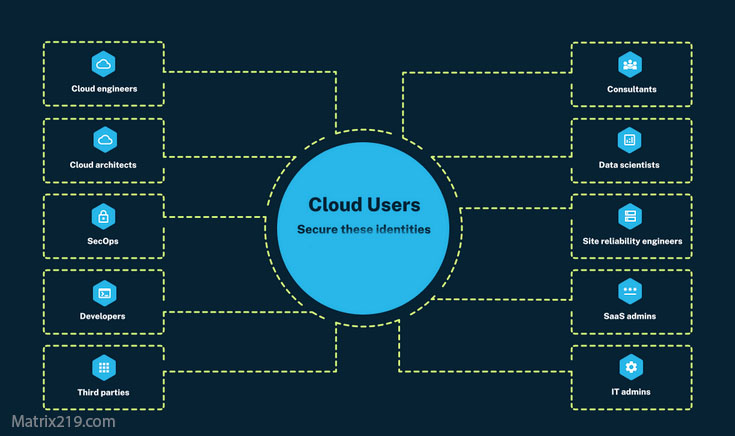
Secure Cloud and Account Access
Avoid Convenience Traps
Convenience features often weaken privacy. Staying logged in everywhere, syncing everything automatically, and enabling universal sign-ins increase exposure.
Use convenience intentionally rather than by default. Small friction can significantly reduce tracking and surveillance risk.
Balancing convenience and privacy is a strategic choice.
Keep the Operating System Updated
System updates close known vulnerabilities and improve security controls. Delaying updates increases the window of opportunity for exploitation.
Enable automatic updates when possible. Outdated systems are easier to compromise and harder to trust.
Updates are preventive maintenance, not optional features.
Separate Sensitive Activity
Use different browsers, profiles, or even devices for sensitive tasks. Separating contexts limits damage if one environment is compromised.
This habit is especially valuable for high-risk users and shared environments.
Separation reduces blast radius without complex tools.
Be Cautious With Links and Messages
Phishing remains a primary installation vector. Treat unexpected messages, links, or attachments with skepticism.
Verify before acting. Urgency is often a manipulation tactic.
Slowing down is one of the simplest and most effective defenses.
Perform Periodic Privacy Checkups
Schedule regular reviews of apps, permissions, and account access. Small, routine audits prevent long-term exposure.
Privacy maintenance works best as a habit, not a reaction to fear.
Consistency beats intensity.
Prevention Is a Long-Term Strategy
No single action prevents all surveillance. Effective protection comes from layered habits applied consistently over time.
These practices reduce risk quietly and sustainably, without constant attention or stress.
For foundational context, see: Mobile Privacy & Spyware Detection: How to Protect Your Phone from Surveillance (2026)
FAQ
Do I need security apps to prevent surveillance?
No. Habits and access control matter more.
Is prevention harder than detection?
No. It is simpler and more reliable.
How often should I review permissions?
Periodically, especially after installing new apps.
Does prevention eliminate all risk?
No, but it reduces most real-world threats.
What is the most important habit?
Controlling access—both physical and digital.