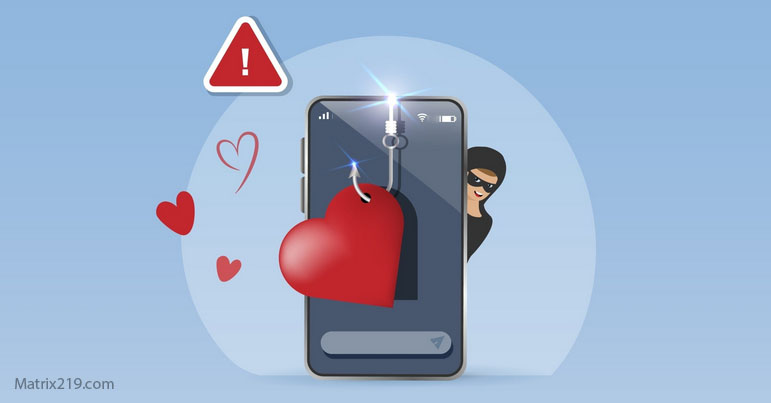
Romance Scams and Emotional Manipulation are among the most psychologically damaging forms of digital fraud. Unlike fast-moving scams, romance scams are slow, intentional, and deeply personal. They exploit loneliness, empathy, and trust rather than technical gaps.
In 2026, romance scams operate across dating apps, social media, gaming platforms, and even professional networks. Many victims are intelligent, cautious people who are targeted during vulnerable moments—not because they are naïve, but because they are human.
This article explains how romance scams work, why emotional manipulation is so effective, and how to recognize danger before trust turns into loss.
Why Romance Scams Work So Well
Romance scams succeed because they replace suspicion with emotional connection.
Scammers invest time building rapport, mirroring interests, and creating a sense of exclusivity. As emotional attachment grows, critical thinking weakens—not because of ignorance, but because trust feels earned.
The scam is not the request. The scam is the relationship.
Common Platforms Used for Romance Scams
Romance scams appear wherever people form connections.
Dating apps, social media, messaging platforms, and even professional or hobby communities are common entry points. Scammers adapt their personas to fit the platform’s culture.
The medium is flexible. The manipulation is consistent.
The Typical Romance Scam Progression
Most romance scams follow a predictable arc.
First comes rapid emotional bonding. Then controlled disclosure of a hardship or opportunity. Finally, a request that feels reasonable within the relationship context—often framed as temporary or necessary.
By the time money is mentioned, trust has already been established.
Common Requests That Signal a Scam
Romance scammers rarely ask for money immediately.
Common requests include:
-
Help with travel or visas
-
Emergency medical expenses
-
Investment opportunities “to build a future together”
-
Gift cards or crypto “for convenience”
-
Requests to keep the relationship private
Each request is framed as proof of commitment.
Emotional Isolation as a Tactic
Scammers often encourage secrecy.
They may suggest others “won’t understand,” are “negative,” or are “trying to sabotage the relationship.” This isolates victims from external perspectives that could interrupt the scam.
Isolation protects the manipulation.
Fake Identities and Stolen Media
Romance scammers frequently use stolen photos, fabricated careers, and scripted backstories.
Some operate teams that manage multiple victims simultaneously. Others use AI-generated images and text to maintain consistency and scale.
Authenticity is simulated, not lived.
Why Victims Stay Even After Doubts Appear
Doubt does not immediately end a romance scam.
Victims often rationalize inconsistencies to protect the emotional investment they’ve made. Ending the relationship feels like admitting loss—not just of money, but of connection.
This emotional sunk-cost effect is deliberately exploited.
How to Verify Without Escalating Risk
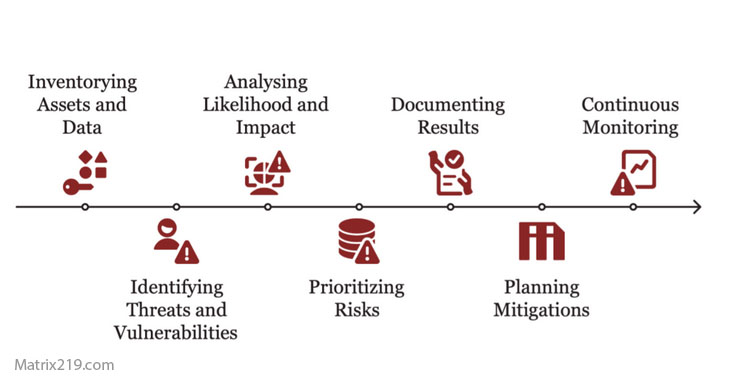
Verification should be calm and independent.
Refusal to video call, inconsistent stories, reluctance to meet, or pressure to avoid verification are meaningful signals. Real relationships tolerate reasonable boundaries and questions.
A relationship that collapses under verification was not real.
How to Verify Without Escalating Risk
What To Do If You Suspect a Romance Scam
If suspicion arises:
-
Stop sending money or gifts immediately
-
Do not confront emotionally or argue
-
Document conversations and requests
-
Seek an external perspective from someone you trust
Clarity improves once emotional distance is created.
If You’ve Already Sent Money
If money or assets were sent:
-
Stop all payments
-
Contact financial institutions immediately
-
Report the account on the platform
-
Be cautious of “recovery” offers that follow
Secondary scams frequently target romance scam victims.
Emotional Recovery Is Part of Security
Romance scams cause emotional harm alongside financial loss.
Shame, grief, and self-blame are common—and dangerous if they prevent reporting or seeking help. Victims were manipulated, not foolish.
Recovery includes restoring self-trust.
Romance Scams in the Larger Fraud Ecosystem
Romance scams often intersect with investment fraud, impersonation, and account takeover.
Understanding emotional manipulation strengthens defenses against many scam categories, not just romantic ones.
For the complete fraud framework this article supports, see: Online Scams & Digital Fraud: How to Spot, Avoid, and Recover (2026 Guide)
FAQ
Do romance scams only target older people?
No. All age groups are targeted.
Is refusing video calls a red flag?
Yes, especially after emotional bonding.
Can scammers really invest months in a scam?
Yes. The payoff justifies the time.
Are romance scams usually one-on-one?
Often, but many scammers manage multiple victims.
Is it possible to recover emotionally after a scam?
Yes, with support and time.