SCADA systems play a central role in how modern power grids operate, monitor performance, and respond to changing demand. These systems allow operators to control substations, manage electricity flow, and detect faults in real time. Without SCADA, large-scale power distribution would be nearly impossible to manage efficiently.
However, as power grids became more connected, SCADA environments also became more exposed. Originally designed for reliability and remote monitoring—not cybersecurity—many SCADA systems now operate in threat landscapes they were never built to withstand. Understanding how SCADA works is essential to understanding why power grids are vulnerable and how cyber risks can escalate into real-world disruptions.
This article explains what SCADA systems are, how they support power grid operations, and why they represent a critical security concern today.
Quick Navigation
What Are SCADA Systems?
SCADA stands for Supervisory Control and Data Acquisition. It refers to a class of systems used to:
-
Monitor industrial processes
-
Collect real-time operational data
-
Send control commands to field devices
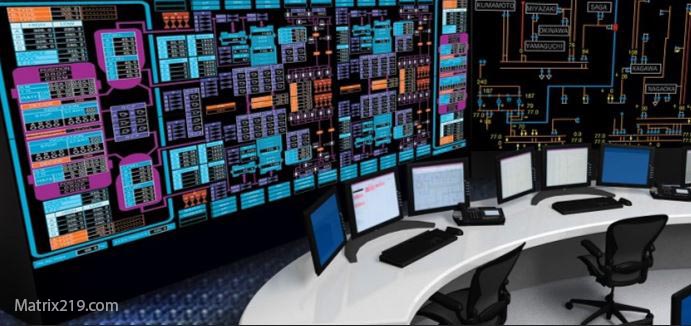
In power grids, SCADA systems connect control centers with substations, transformers, and circuit breakers. They provide operators with visibility and control across vast geographic areas.
SCADA is a core component of broader industrial environments affected by industrial control system security failures
How SCADA Supports Power Grid Operations
SCADA systems enable grid operators to:
-
Balance electricity supply and demand
-
Detect faults and outages
-
Isolate affected areas during failures
-
Restore service efficiently
These capabilities are critical for maintaining grid stability. Even brief disruptions in SCADA visibility can significantly delay response and recovery efforts.
Because SCADA is so deeply integrated, its compromise directly contributes to critical infrastructure cybersecurity risks
Why SCADA Systems Are Security-Sensitive
Legacy Design Assumptions
Many SCADA platforms were designed under assumptions that:
-
Networks were isolated
-
Users were trusted
-
Physical access equaled security
As grids modernized, these assumptions no longer held true.
Increased Connectivity
To improve efficiency, SCADA systems are now often connected to:
-
Corporate IT networks
-
Remote access tools
-
Third-party maintenance systems
This connectivity expands the attack surface and introduces pathways attackers can exploit.
Common SCADA Security Weaknesses
Limited Authentication and Authorization
Some SCADA environments still rely on:
-
Shared credentials
-
Weak authentication mechanisms
-
Minimal role separation
Once access is obtained, attackers may gain broad control capabilities.
SCADA systems power grid security
Inadequate Monitoring and Logging
Many SCADA systems:
-
Lack detailed logs
-
Do not generate real-time alerts
-
Provide limited forensic visibility
This makes early detection difficult and complicates investigations into power grid failure vs cyberattack
Patch Management Constraints
Applying security updates to SCADA systems is challenging due to:
-
Risk of disrupting operations
-
Limited maintenance windows
-
Vendor support constraints
As a result, known vulnerabilities may remain unpatched for extended periods.
How SCADA Attacks Can Affect Power Grids
A compromised SCADA system can allow attackers to:
-
Open or close breakers remotely
-
Disable alarms and safety mechanisms
-
Manipulate operational data
-
Delay or disrupt outage response
These actions do not always cause immediate blackouts, but they increase the likelihood and severity of failures.
When incidents occur, determining intent and responsibility ties directly into cyberattack attribution challenges
SCADA Security in the Context of Nation-State Threats
Because SCADA systems control critical infrastructure, they are attractive targets for advanced threat actors. Nation-state campaigns may seek:
-
Long-term access
-
Intelligence on grid operations
-
Prepositioning for potential future disruption
This context aligns with patterns discussed in state-sponsored cyber operations explained
Improving SCADA Security Without Breaking the Grid
Effective SCADA security focuses on:
-
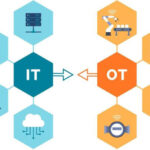
Network segmentation between IT and OT
-
Strict access controls
-
Passive monitoring solutions
-
Clear incident response procedures
These measures support broader critical infrastructure cyber defense strategies
Conclusion
SCADA systems are foundational to power grid operations, but their design and deployment history create significant security challenges. As connectivity increases, so does exposure to cyber risks that can translate into physical disruption.
Understanding how SCADA systems work—and where their weaknesses lie—is essential for evaluating power grid incidents accurately and building realistic defenses. Security improvements must respect operational constraints while reducing the likelihood that cyber risks escalate into widespread outages.