Unknown apps and permissions are among the most reliable indicators of real phone compromise, yet they’re also the most misunderstood. Many users scroll past permission prompts without reading them, and attackers know this. Instead of exploiting complex system flaws, they rely on legitimate permissions to gain long-term access and stay invisible.
This article explains how unknown apps appear on phones, which permissions are commonly abused, and how hackers use them to persist without triggering alarms. You’ll learn how to audit your device safely, tell the difference between normal system services and malicious apps, and decide when permission abuse crosses the line into a confirmed security incident.
Quick Navigation
Why Unknown Apps Appear on Phones
Not every unfamiliar app is malicious—but context matters.
Legitimate reasons you may not recognize an app
-
System components installed by updates
-
Carrier or manufacturer utilities
-
Work or school management tools
These usually have limited permissions and clear system labels.
For the broader framework of identifying real compromise, see:
If Your Phone Is Hacked: How to Know, What to Do, and How to Stay Safe
How Hackers Use Apps to Stay Hidden
Most real-world phone hacking relies on permission-based persistence, not exploits.
Common disguises used by malicious apps
-
“System Update” or “Device Service” names
-
Generic icons or no icon at all
-
Disabled notifications
These apps aim to look boring—not suspicious.
If you’re trying to confirm whether symptoms add up to hacking, follow:
If your phone is hacked how to know
Permissions Most Commonly Abused by Spyware
Permissions are the real danger—not the app name.
High-risk permissions to audit immediately
-
Accessibility access (screen reading, input control)
-
Device administrator privileges
-
Notification access (OTP and message interception)
-
VPN or profile control
Apps with these permissions can monitor activity, intercept codes, or resist removal.
To understand how attackers remain persistent, see:
How hackers hide on phones
Android vs iPhone: Permission Abuse Differences
Platform design affects how permission abuse looks.
On Android devices
-
Permissions are granular but often over-granted
-
Spyware commonly abuses accessibility services
Related detection guide:
Signs your Android phone is hacked
On iPhones
-
Abuse often comes through configuration profiles
-
Account-level access matters more than apps
Related detection guide:
Signs your iPhone is hacked
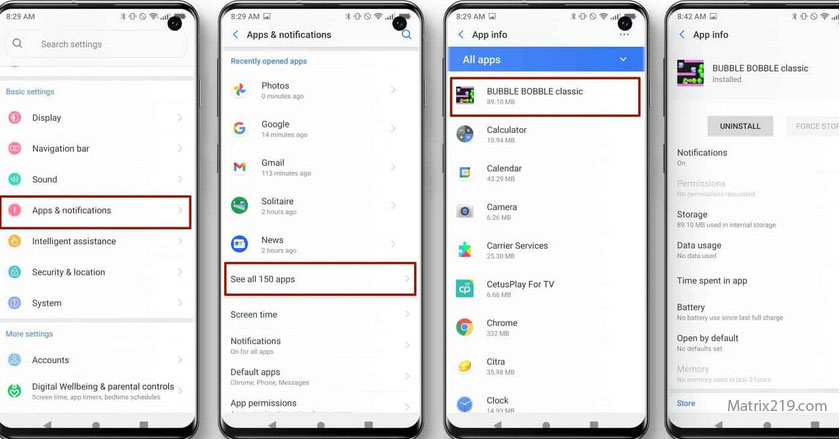
How to Audit Unknown Apps Without Making Things Worse
Rushing to delete apps can backfire.
Safe audit steps
-
Review app permissions before uninstalling
-
Disable network access where possible
-
Check whether the app can be removed normally
If you find persistent access you can’t revoke, move to structured recovery rather than improvising.
A full cleanup and recovery sequence is explained here:
If Your Phone Is Hacked: Step-by-Step Recovery Guide (Android & iPhone)
When Unknown Apps Mean Your Phone Is Compromised
Treat the device as compromised if:
-
Unknown apps have high-risk permissions
-
Permissions re-enable themselves
-
Account alerts appear alongside app issues
At this stage, containment and recovery matter more than continued investigation.
Security research consistently shows that modern mobile spyware relies heavily on abusing accessibility and notification permissions rather than exploiting the operating system itself, which is why permission audits are one of the most effective detection steps
Mobile spyware permission abuse overview
Frequently Asked Questions
Are all unknown apps dangerous?
No. System and carrier apps are normal; permission abuse is the real concern.
Should I uninstall unknown apps immediately?
Not always. Review permissions and account activity first.
Can legitimate apps become dangerous later?
Yes. Updates can change behavior after installation.
Why do hackers prefer permission abuse?
It’s stable, legal-looking, and survives updates.
Is resetting the phone enough to remove permission-based spyware?
Often yes—but only if backups and accounts are clean.